Study: UK researchers used structural and functional MRI to compare 16 adults with early, profound deafness to 16 hearing controls. Findings: Both the lateral geniculate nucleus (LGN) and primary visual cortex (V1) in deaf participants showed stronger representation of peripheral visual locations despite similar total volumes. Mechanism: The reorganization reflected changes in cortical surface area rather than thickness, suggesting a trade‑off that favors peripheral detection over central detail. Note: Some exploratory results linked stronger peripheral shifts to early BSL users; retinal or genetic factors remain possible contributors.
Lifelong Deafness Reorganizes Early Vision Toward the Periphery, MRI Study Finds
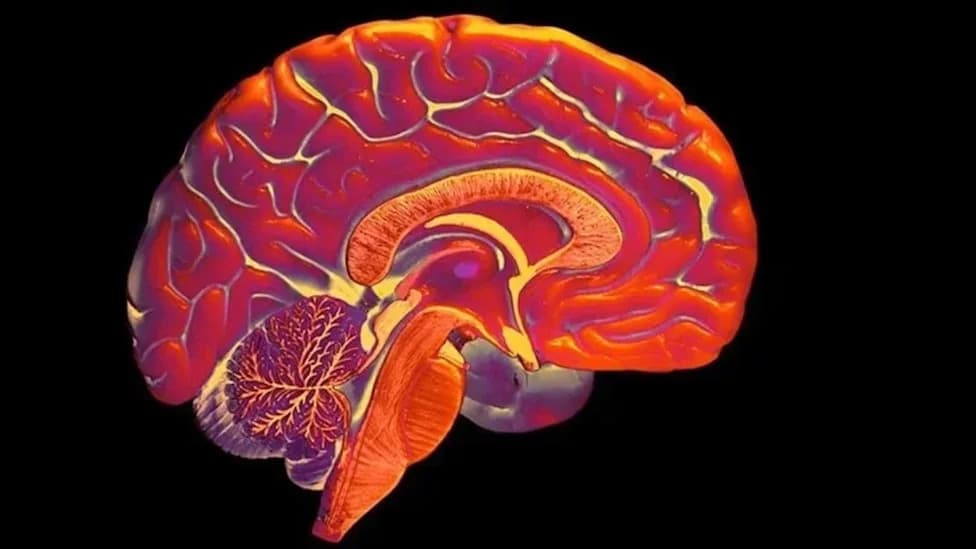
(Daniel Heighton/istock)
The adult human brain remains highly adaptable. New MRI research shows that people who have been profoundly deaf since early childhood allocate more of their early visual processing to the far edges of the visual field, likely helping vision act as an "early warning system" when sound cues are missing.
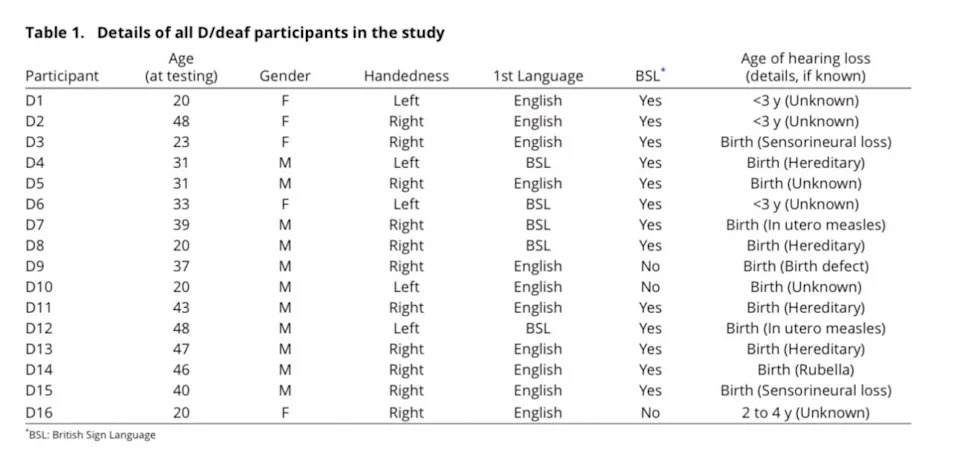
The study participants' details. (Levine et al.,PNAS, 2026)
A team of psychologists and neuroscientists in the United Kingdom used structural and functional magnetic resonance imaging (MRI) to compare visual system organization in 16 adults with early, profound deafness and 16 age‑matched hearing controls (Levine et al., PNAS, 2026).
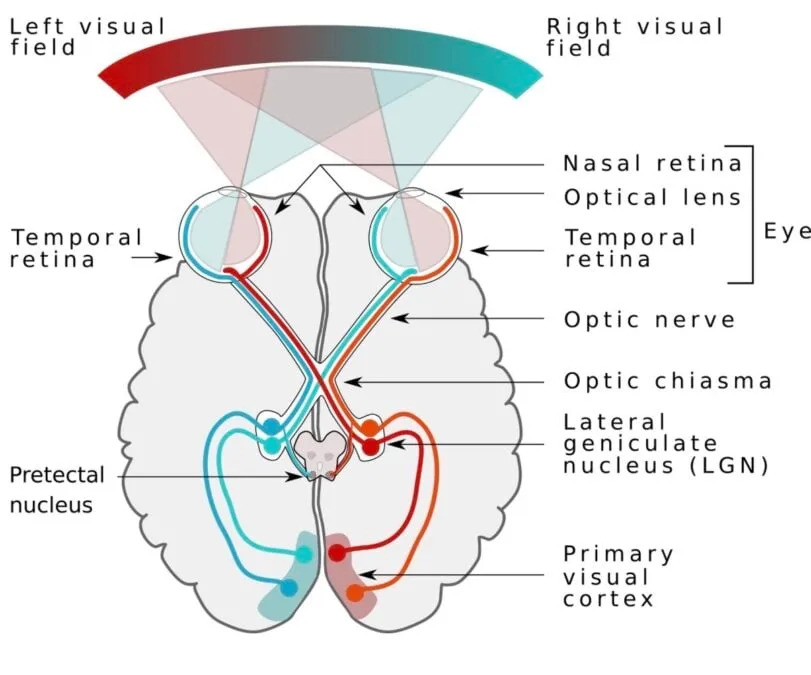
An illustration of the brain's visual systems.(Miquel Perelló Nieto/Wikimedia Commons/CC-BY 4.0)
Methods
The investigators combined structural MRI with functional retinotopic mapping, a technique that links patterns of brain activity to specific locations in each subject's visual field. They split each visual field into concentric eccentricity "bins"—from central vision outward—and calculated the proportion of active voxels that responded to each slice. The study focused on two core visual stations: the lateral geniculate nucleus (LGN) in the thalamus and primary visual cortex (V1).

YouTube Thumbnail
Key Findings
Shift Toward Peripheral Processing: Compared with hearing participants, the deaf group showed an LGN activity bias toward peripheral vision, indicating that reorganization begins at least as early as the thalamic relay.

Subscribe to ScienceAlert's free fact-checked newsletter
V1 Redistribution Without Volume Loss: Total LGN and total V1 volumes did not differ significantly between groups. However, V1 showed a redistribution of cortical surface area: deaf participants had greater representation of peripheral eccentricities while hearing participants showed stronger representation of central vision. The change reflected surface‑area differences rather than cortical thickness.
Behavioral and Functional Implications: The authors propose that lifelong reliance on vision when audition is reduced produces compensatory plasticity in early visual stations, favoring peripheral detection (for example, transient or moving targets) at the expense of central visual representation.
Exploratory Observations and Caveats
An exploratory analysis—too small for firm statistical conclusions—suggested the largest peripheral bias occurred in participants who learned British Sign Language (BSL) as their first language. The authors also note that some participants were genetically deaf while others had unknown causes, leaving open the possibility that genetic or retinal differences might contribute to the observed reorganization.
"Without sound cues, deaf people use vision as an 'early warning system' for peripheral events," the researchers write, consistent with prior behavioral work showing enhanced peripheral detection and attention among D/deaf adults.
Limitations and Future Directions
The sample size was modest (16 per group), and some subgroup comparisons were exploratory. Future studies should test larger, more diverse samples, examine behavioral correlates directly, and investigate whether retinal changes or specific genetic factors drive upstream differences in visual processing.
This research was published in the Proceedings of the National Academy of Sciences. The study advances our understanding of sensory plasticity by showing that compensatory rewiring in deafness can emerge early in the visual pathway and reshape cortical surface allocation between central and peripheral vision.
Help us improve.