Prof Dame Uta Frith warns that the autism spectrum has widened to the point that it can act as a catch-all diagnosis, driven by broader definitions, self-diagnosis and cultural factors. She calls for greater diagnostic precision and suggests splitting the spectrum to reduce misdiagnosis and enable targeted therapies. The article notes more than 270,000 people are awaiting NHS autism assessments and cites Princeton research identifying four distinct autism subtypes.
Autism Spectrum So Broad 'Anyone Could Be Diagnosed', Warns Research Pioneer
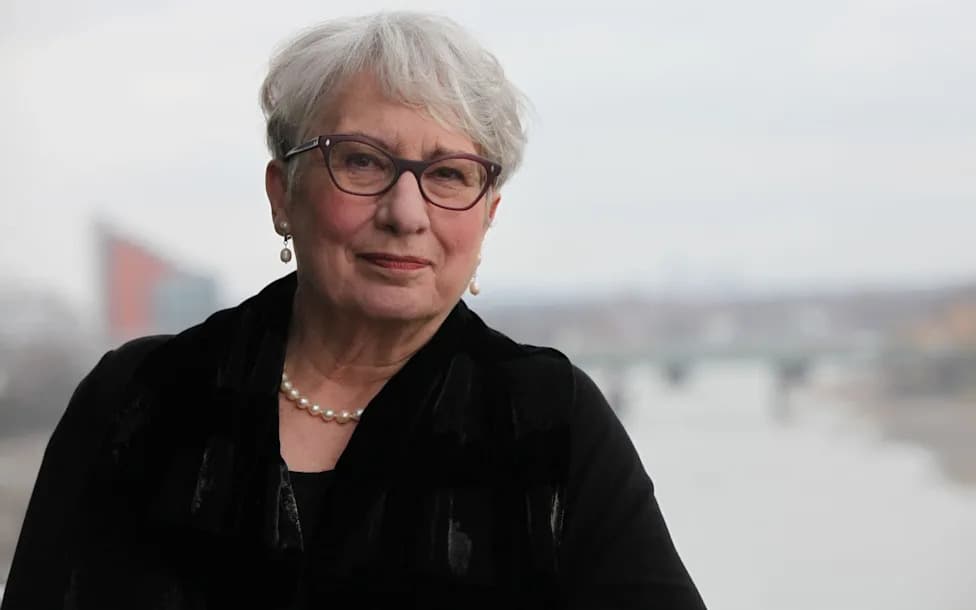
Dame Uta Frith said social media had 'spread simplified or misleading ideas' about autism - Annie Mackinder/BBC
Prof Dame Uta Frith, an emeritus professor of cognitive development at University College London and one of the original architects of the autism spectrum concept, has warned that the category has widened so far that it risks becoming a catch-all diagnosis.
In a new essay published in the journal Psychological Medicine, the 85-year-old developmental psychologist argues that the modern definition of Autism Spectrum Disorder (ASD) now encompasses people with very mild traits and no language or learning problems, and that cultural forces have helped broaden the label beyond its original clinical meaning.
“Autism wasn't always defined this way – it originally described a small group of children with severe difficulties in social interaction, communication and behaviour,” Dame Uta writes. “Today, anyone of any age or intelligence level can be diagnosed with autism if they meet certain criteria.”
Drivers of the Broader Diagnosis
Dame Uta highlights several factors she says have lowered the diagnostic threshold: wider diagnostic definitions, increased reliance on self-reporting, the cultural rise of the neurodiversity movement, and growth in self-diagnosis via social media. She also questions whether concepts such as "masking" are unique to autism, suggesting similar behaviours appear across conditions.
Impact on Services and Support
The expansion of the spectrum has coincided with sharply rising demand for assessments: more than 270,000 people are reported to be waiting for an NHS autism assessment, with referrals surging since the pandemic. Dame Uta warns this demand reflects both genuine need and a broader cultural attraction to the autism label.
Recommendations and Clinical Implications
To address these concerns, Dame Uta calls for greater diagnostic precision and a renewed effort to identify the specific causes of distress in people who are diagnosed later in life. She suggests that subdividing the spectrum could reduce misdiagnosis and enable more targeted interventions—for example, sensory therapies to prevent burnout or specific treatments for anxiety and depression that build resilience against social stress.
Evidence of Heterogeneity
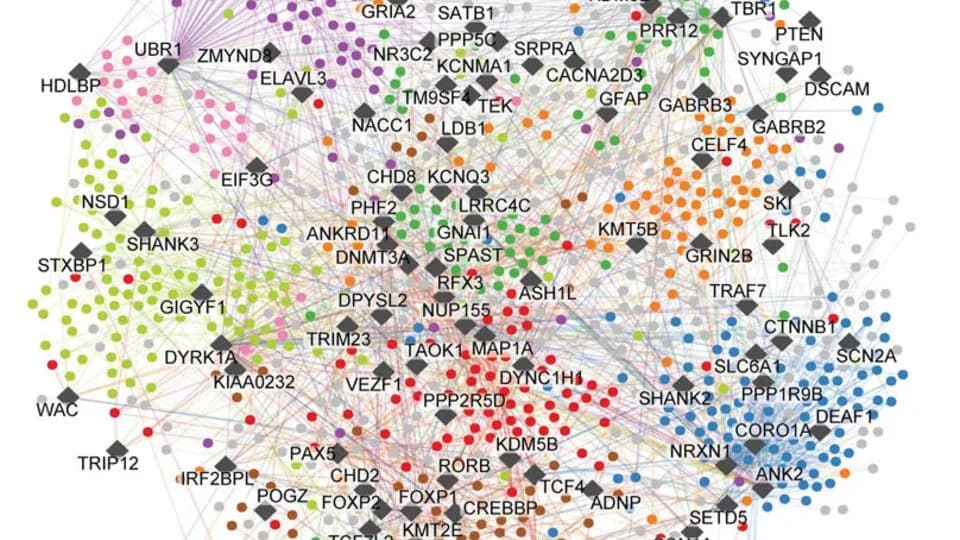
Supporting the idea that autism is heterogeneous, recent research from Princeton University, published in Nature Genetics, analysed about 5,000 people with autism and identified four distinct subtypes: a group with social and behavioural challenges (37%); a mixed group with developmental and language impairments (19%); a group with moderate, mild symptoms across categories (34%); and a smaller broadly affected group with severe developmental and behavioural difficulties (10%).
Bottom line: Dame Uta Frith urges clinicians, researchers and policymakers to balance the benefits of reduced stigma and greater recognition of neurodiversity with the need for clear diagnostic criteria and tailored support so that people receive the right help at the right time.
Help us improve.