The Sheldrick Wildlife Trust used its World Ranger Day post to chart nearly three decades of growth in Kenya, expanding from one Tsavo-based anti-poaching team in 1999 to 28 SWT/KWS teams today. The operation now includes two Drone Units and a specialist Canine Unit, and teams traveled 482,452 km in 2025—roughly 12 times around the globe. The post emphasizes that rangers’ duties go beyond stopping poachers to protecting habitats, supporting communities, and providing specialist field services in partnership with the Kenya Wildlife Service.
World Ranger Day: How Kenya’s Anti-Poaching Force Grew From One Team To 28
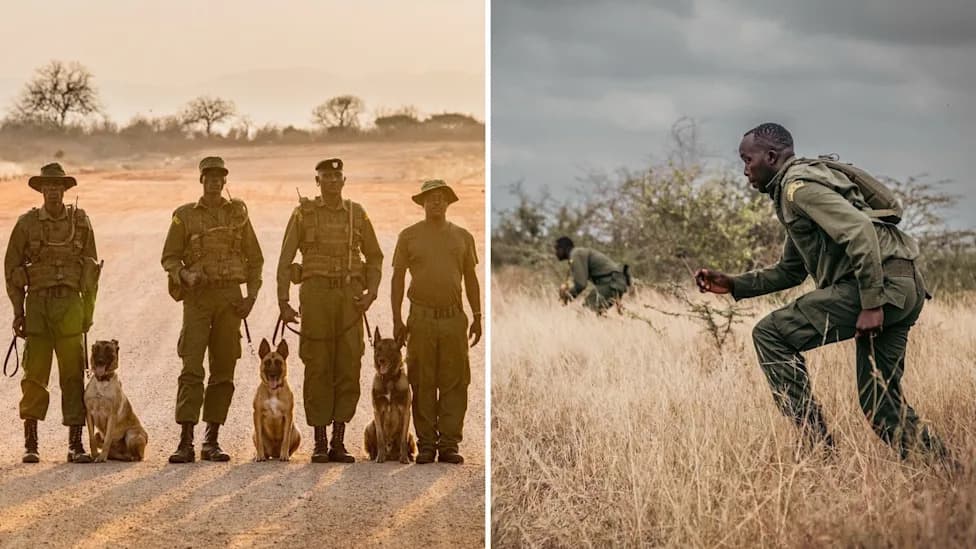
Photo Credit: Sheldrick Wildlife Trust / Mia Collis
Conservation often spotlights wildlife, but the people protecting it on the ground deserve equal attention. On World Ranger Day the Sheldrick Wildlife Trust highlighted how its frontline presence in Kenya has expanded from a single Tsavo-based anti-poaching team in 1999 into a nationwide conservation network.
Growth, Tools and Partnership
Over 27 years the Trust has developed permanent partnerships and built capacity alongside the Kenya Wildlife Service (KWS). Today the operation comprises 28 SWT/KWS Anti-Poaching Teams, supported by two Drone Units and a specialist Canine Unit. That expansion reflects sustained investment in active, on-the-ground protection rather than a symbolic awareness gesture.
"In 2025, our teams traveled 482,452 kilometers (nearly 300,000 miles) across Kenya's wilderness areas by vehicle and on foot — the equivalent of circumnavigating the globe more than 12 times in a single year," the Trust wrote.
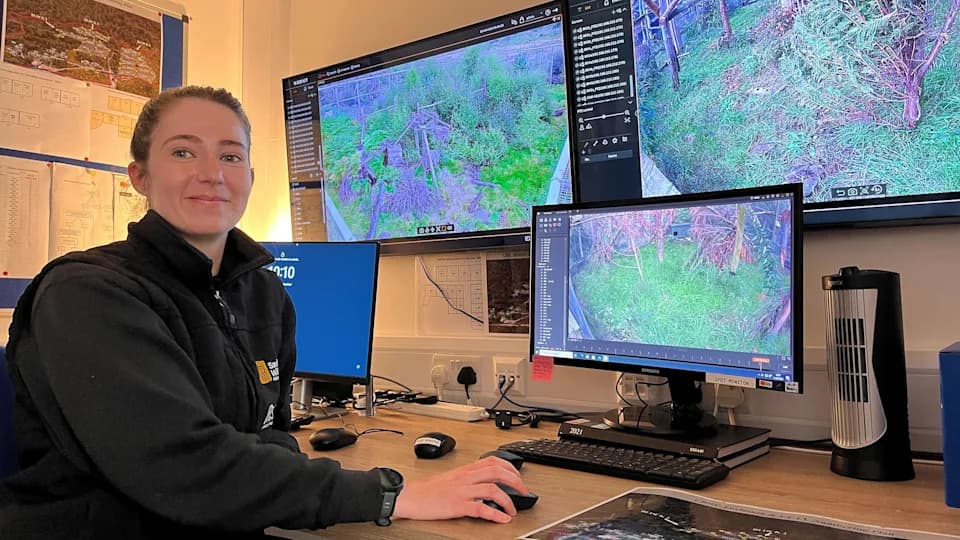
Teams pair traditional foot and vehicle patrols with modern technologies—drones for aerial surveillance and trained detection dogs for tracking and recovery—to deliver more comprehensive coverage and quicker response times.
Ranger Roles Beyond Anti-Poaching
Rangers are often described as the first line of defense against poaching, but their responsibilities extend far beyond intercepting illegal hunters. They protect habitats, monitor threats, support ecosystem health, and provide vital services that benefit local communities.
- Community and Ecosystem Benefits: Secured landscapes help stabilize natural resources, maintain biodiversity corridors, and support local economies through conservation and tourism.
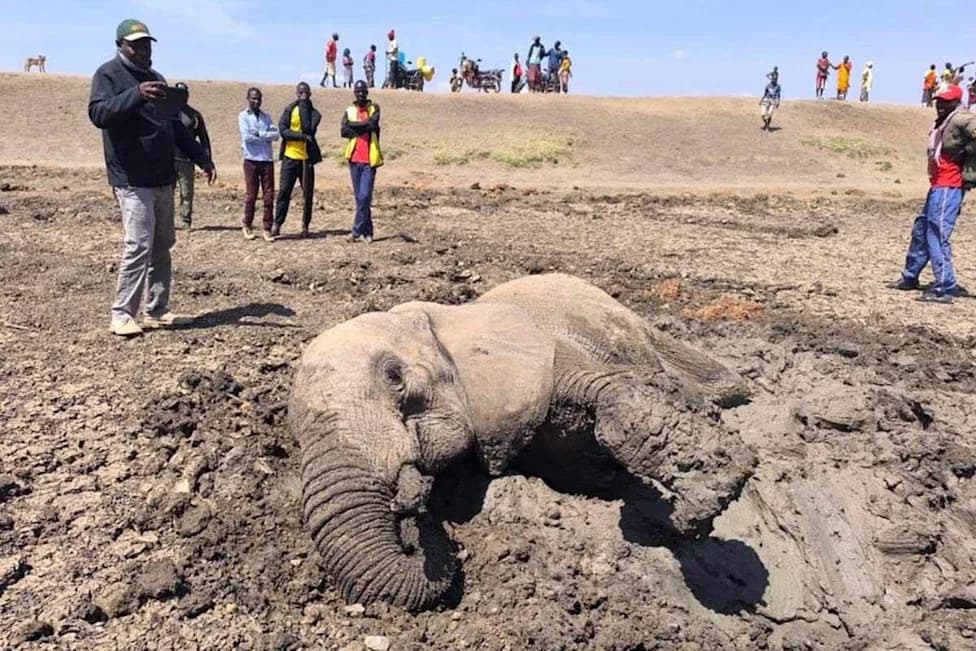
- Specialist Field Support: Rangers routinely assist with veterinary treatments, orphan rescues, firefighting, and emergency response across remote terrain.
- Capacity and Coordination: The growth from one team to 28—plus specialized units—signals increasing specialization, training, and institutional backing needed for modern conservation work.
Ranger work is physically demanding, often dangerous, and largely unseen by the public. The Sheldrick Wildlife Trust’s World Ranger Day post underscores that sustained conservation gains depend on long-term partnerships, investment in people, and a layered approach that combines patrols, canine and drone support, and close coordination with public agencies like KWS.
"They are often called upon to provide additional field support, tackling everything from veterinary treatments to field emergencies, orphan rescues, and firefighting efforts," the Trust added. "They approach these missions with the same dedication that they apply to tracking down poachers."
Help us improve.