East Tennessee towns are rapidly adopting zoning limits and moratoriums to keep AI data centers from being sited near homes. Measures range from 500-foot setbacks and a 60-decibel noise cap in Kingsport to a two-year moratorium in Bristol and a Washington County pause through June 30, 2027. Johnson City is extending its moratorium while drafting rules requiring environmental reviews, annual compliance checks and public transparency. Residents overwhelmingly expressed concern in a recent survey, and officials say they are striving for balanced rules that protect neighborhoods without unduly deterring investment.
East Tennessee Moves Fast To Keep Noisy AI Data Centers Out Of Neighborhoods
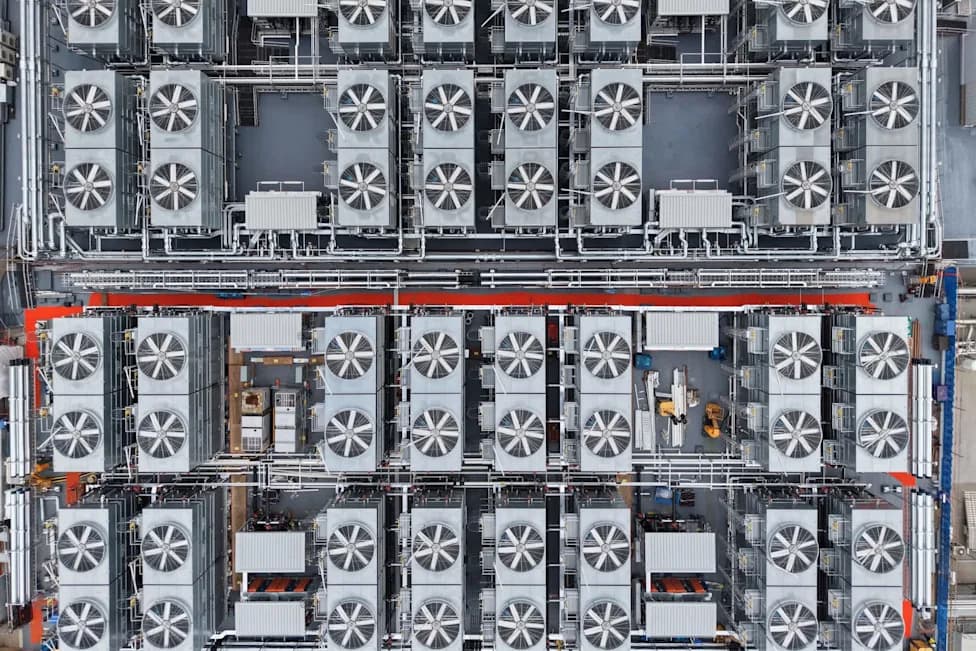
Photo Credit: iStock
Communities across East Tennessee are acting quickly to limit where AI data centers can be built, introducing zoning restrictions and temporary moratoriums so residents have a voice before developers submit proposals, the Tennessee Lookout reports.
Local Rules And Pauses
Kingsport now confines data centers to heavy industrial districts, requires a minimum 500-foot setback from homes and enforces a 60-decibel noise cap. Jonesborough has barred data centers within 1,500 feet of residential structures, while Bristol approved a two-year moratorium. Washington County has paused related projects through June 30, 2027.
Johnson City extended its moratorium until December as officials finalize draft rules that would restrict data centers to I-2 Heavy Industrial zones, require environmental impact studies, and mandate annual compliance reviews.
Community Concern
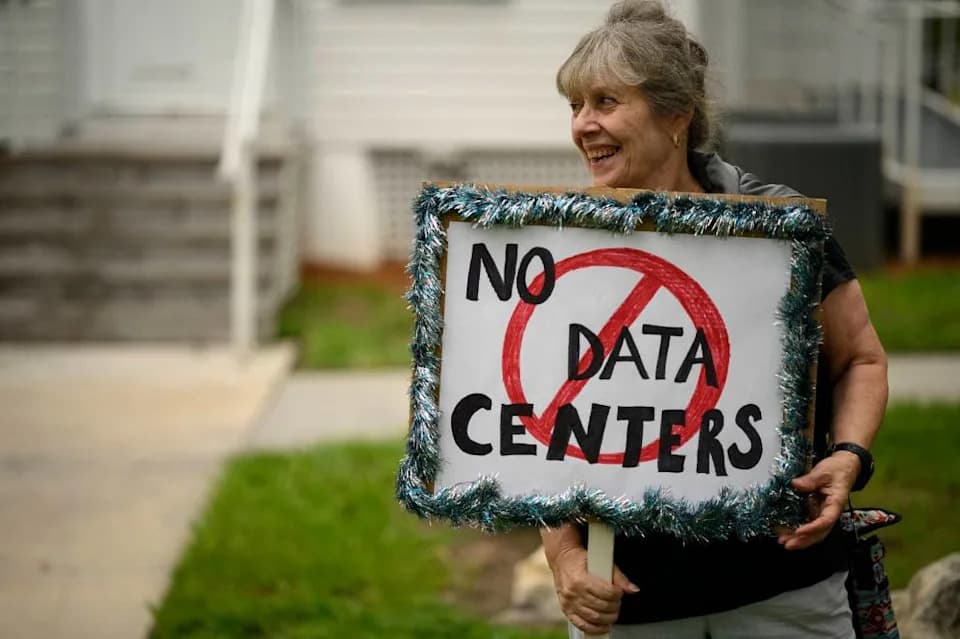
A recent city survey cited by the Lookout found that more than 5,000 of 6,000 respondents said they were "extremely concerned" about a potential data center near their neighborhoods. At a June 9 planning meeting, resident Rebecca Tolley urged officials: "I'd like to encourage you all, to continue to very heavily scrutinize these industries as they come in and propose to come in."
Organizing has already begun at the grassroots level. In Monroe County, Amber Bright, who leads a local anti-data-center Facebook group, told the Lookout, "I do not want Monroe County — or any rural community — to suffer lasting local damage for the benefit of corporations that will not have to live with the consequences."
Noise, Emissions And Power Use
Where data centers already operate, residents report a persistent low-frequency hum. Opponents also cite concerns about emissions from backup generators and the substantial electricity consumption these facilities require. Those worries have surfaced in Hawkins County, where crypto company ExoticRidge is suing over the county's ban on crypto-mining operations. In court filings, the county said residents "do not want to live alongside a gas-burning computer farm that pumps out dirty air and noise pollution at all hours of the night and day."
Industry Response And Aiming For Balance
Industry advocates warn that sweeping bans or overly broad restrictions could chill investment. Attorney Ben Stormes of The Beacon Center characterized Hawkins County's ban as a reaction to "an unpopular business" and called blanket prohibitions "anti-American."
Local officials say they are aiming for a middle ground: rules that protect neighborhood quality of life while allowing responsible development. Draft provisions under consideration in Johnson City would require operators to publish public-facing websites describing operations, environmental safeguards and contingency plans in case sites are abandoned, alongside environmental reviews and annual compliance checks.
As communities across East Tennessee finalize rules, the debate highlights a broader tension between preserving residential quality of life and attracting tech-related investment—with local governments seeking ways to ensure transparency, environmental review and meaningful public input.
Help us improve.