Construction crews building sections of the border wall in New Mexico were ordered to stop drilling new wells after ranchers warned that large-capacity groundwater pumping to produce concrete could threaten livestock and deplete shared aquifers during a severe drought. At a July meeting, ranchers reported unpermitted industrial wells — one claimed to pump about 300 gallons per minute — while typical ranch wells yield just 3–7 gpm. New Mexico's Office of the State Engineer found at least six wells under development without required permits and inspectors reported two sites pumping roughly 200 gpm each. CBP says it will work with landowners to avoid adverse impacts while regulators review permitting and inspections.
New Mexico Orders Border Wall Crews To Stop Drilling New Wells After Ranchers Warn Of Drought Risk
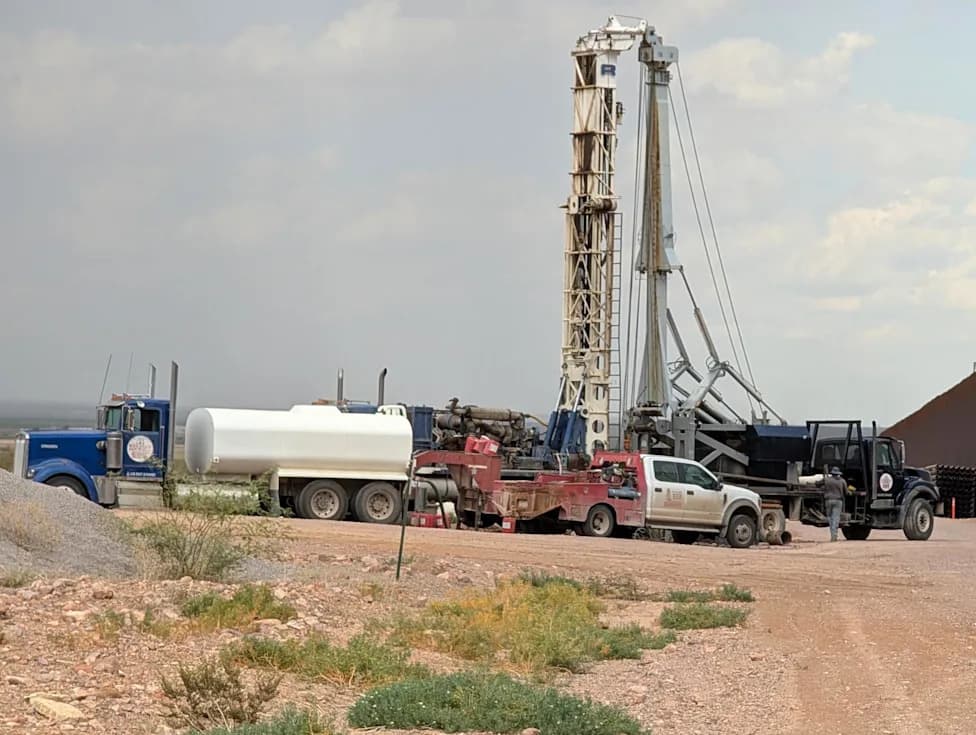
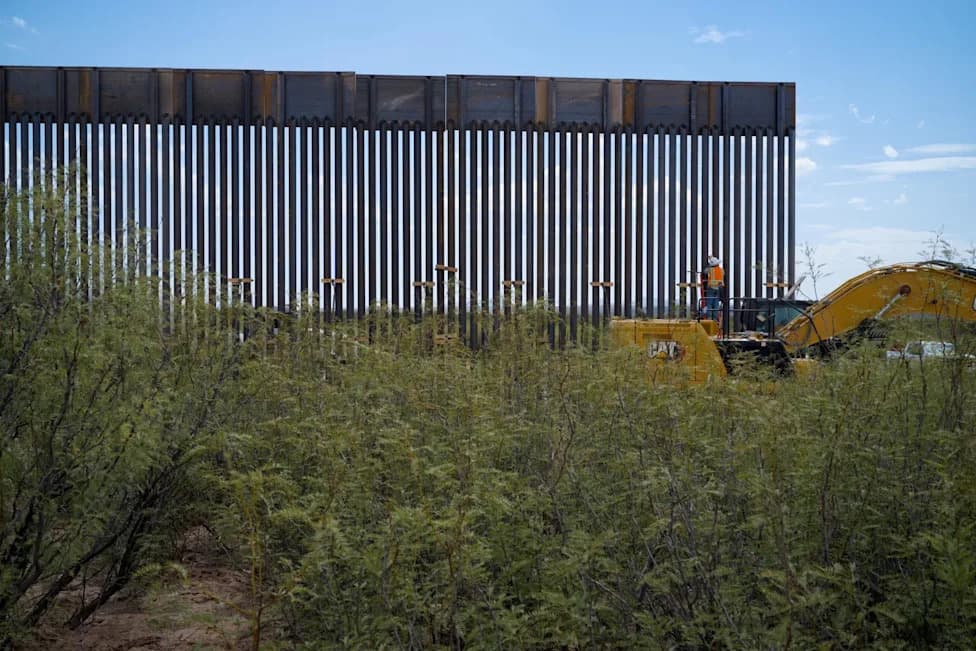
Construction crews drill wells for border wall construction in Lua county, New Mexico, last month.Photograph: Russell Johnson/AP
Construction crews working on the Trump-era border wall in southern New Mexico have been ordered to stop drilling new wells after local ranchers warned that pumping groundwater to mix concrete and support construction could threaten livestock amid a severe drought.
What Happened
Customs and Border Protection (CBP) told the Associated Press that contractors in New Mexico were instructed to halt any new well drilling. The move follows complaints at a July public meeting that unpermitted industrial wells are tapping cross-border aquifers and could deplete water available to nearby ranches and communities.
Ranchers' Concerns
Ranchers described a dramatic difference between the flow rates of industrial wells and the shallow wells used for livestock. One landowner, Russell Johnson, said he observed an industrial well on grazing land that crews claimed could pump roughly 300 gallons per minute, while his ranch wells typically produce only 3 to 7 gallons per minute each.
"It would put us in an immediate catastrophe and having to do something with our livestock. I mean, it could potentially put some people out of business, us included," said Russell Johnson, a cattle rancher whose property runs along the border.
Other ranchers warned that high-capacity pumping in a small basin could affect all users in the area. At the meeting, one attendee said that, based on conversations with Border Patrol, agency representatives appeared unfamiliar with how local aquifers functioned.
Regulatory Status And Inspections
New Mexico's Office of the State Engineer — the agency responsible for regulating and permitting wells statewide — told NPR it identified at least six wells under development along the border that did not have the permits required by state law. Inspectors visited two sites in July and reported each was pumping about 200 gallons per minute.
The state engineer's office reiterated that all non-tribal wells in New Mexico, whether on state or federal land, must receive permits before drilling or pumping can occur.
CBP Response And Next Steps
CBP issued a statement saying it is "committed to working collaboratively with local landowners to ensure that construction activities do not adversely impact their water needs." The agency has previously said water is required for producing concrete, building access roads, erecting barriers and controlling dust at construction sites.
The broader wall project spans four states and has received more than $46 billion in federal funding, and crews are racing to complete sections of the barrier amid ongoing controversies in Texas, California and New Mexico.
What Comes Next: State regulators and CBP will likely coordinate inspections and review permitting requirements. Local ranchers and environmental groups will continue to press for transparency on water use and protections for groundwater resources during construction.
Help us improve.