The "grandmother" cottonwood in Lochiel, Arizona—occupied by activists for roughly 70 days to block border-wall construction—was felled after a large CBP operation. Protesters report about 10 arrests and another 10 citations, and shared footage showing the tree toppling and demonstrators injured. CBP says the identified cottonwoods were removed after preconstruction surveys found no active migratory bird nests, while environmental waivers and broader ecological concerns around the $46.5 billion wall project continue to draw protests and legal challenges.
Border Agents Fell 'Grandmother' Cottonwood After 70-Day Tree Sit in Arizona
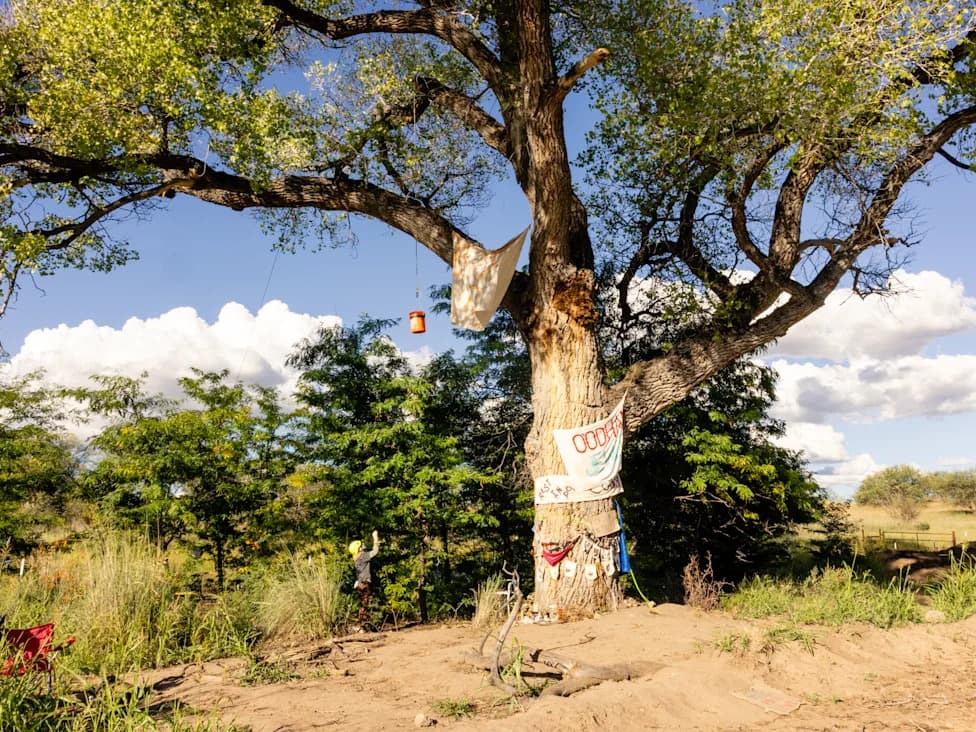
An activist is seen retrieving a bucket from the tree sitter in the "grandmother" cottonwood tree on Sept. 24. - (Cassidy Araiza/For The Washington Post)
LOCHIEL, Ariz. — After roughly 70 days of continuous occupation, activists who had perched in the branches of a large cottonwood tree to block border-wall construction were removed Monday as federal agents and contractors felled the tree they called a "grandmother." Footage shared by protesters shows the tree crashing to the ground as onlookers cry out; activists estimate the tree was 150 to 250 years old.
The Raid and Its Immediate Aftermath
Protesters say more than 50 Customs and Border Protection (CBP) officers descended on the encampment early in the day. Demonstrators estimate about 10 people were arrested and another 10 cited, including for violations of a closure order in the federally controlled border-construction zone. Several activists reported scrapes and other injuries and shared images of bandages during a post-raid call.
Activists' Account
Kate Scott, co-founder of the Madrean Archipelago Wildlife Center and a central organizer of the tree sit, described returning to the site after hearing fellow activists were in danger. She said she placed herself between an excavator and the tree after three other large cottonwoods nearby had already been cut down. When the operator threatened the tree with the bucket and came within a few feet, Scott said the operator backed away but damaged some roots.
To protect the tree from further removal, activists built a small plywood platform high in the branches and rotated tree-sitters for more than two months. The tactic echoed earlier environmental protests—most famously Julia Butterfly Hill's late-1990s redwood occupation—and drew activists from across the region who staged music, ceremonies and theatrical demonstrations to highlight ecological and cultural concerns.
CBP Statement and Legal Context
CBP confirmed that cottonwoods on federal land near Lochiel had been identified for removal as part of planned border-wall construction and said the removals were completed on Monday, according to Assistant Commissioner Hilton Beckham. Beckham said preconstruction surveys found no active migratory bird nests and emphasized the agency's efforts to consider environmental, wildlife and cultural resources, even as the Department of Homeland Security has waived numerous statutes that normally require fuller environmental reviews.
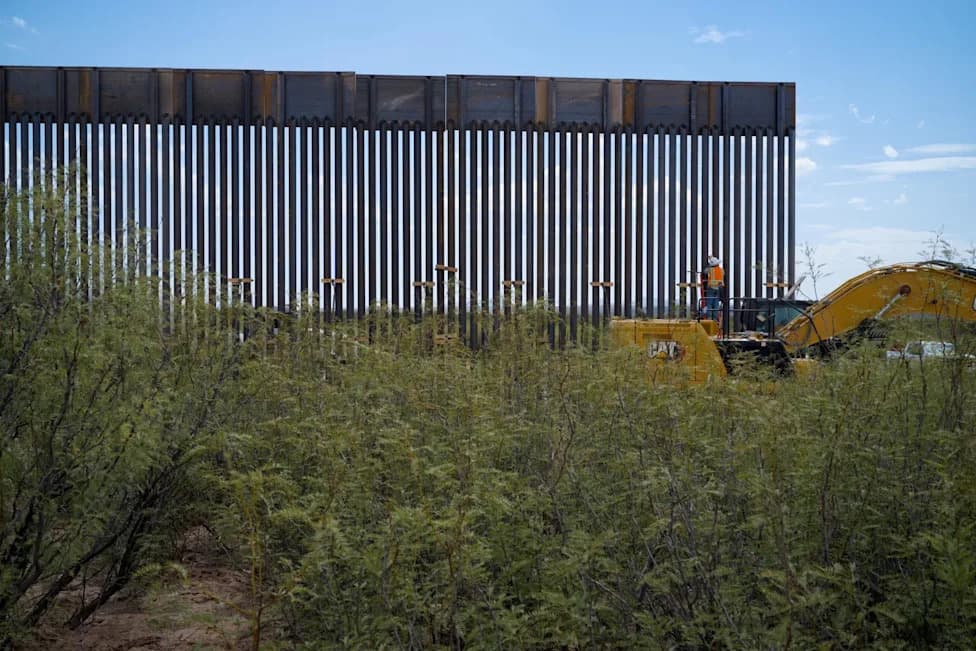
CBP did not directly respond to activists' descriptions of the confrontation. The removal took place amid a multibillion-dollar border project—described in reporting as a $46.5 billion expansion—that has prompted litigation, injunctions in some places and protests across the U.S.-Mexico border.
Environmental and Cultural Stakes
Activists and conservationists say the cottonwood stood in one of the San Rafael Valley's last riparian patches: rare waterways or near-surface water habitats that support large trees and wildlife corridors. Russ McSpadden of the Center for Biological Diversity estimated Arizona's riparian ecosystems have declined by more than 90 percent, a loss that opponents say the wall will exacerbate by fragmenting habitat and migration routes.
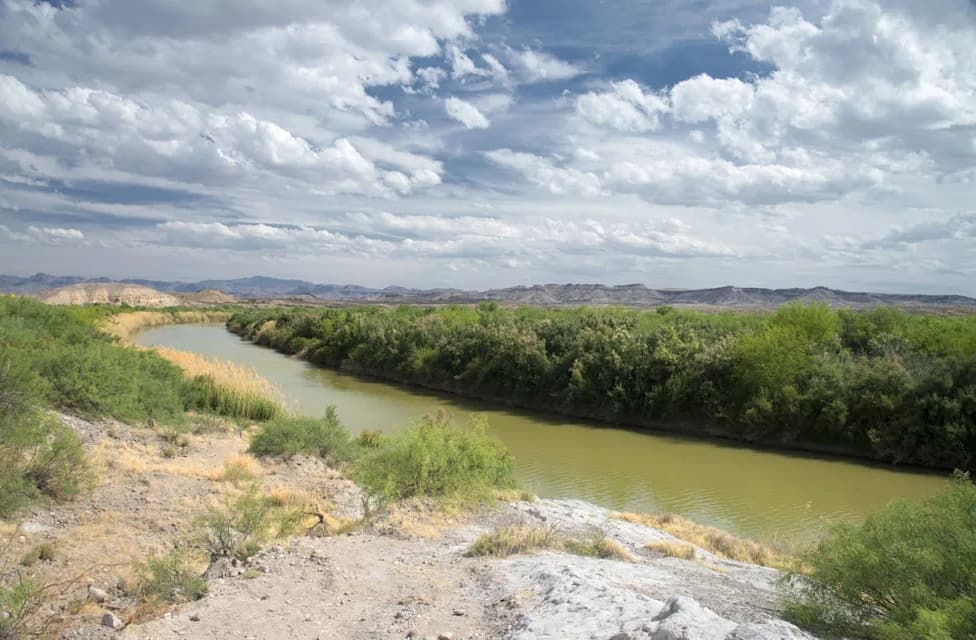
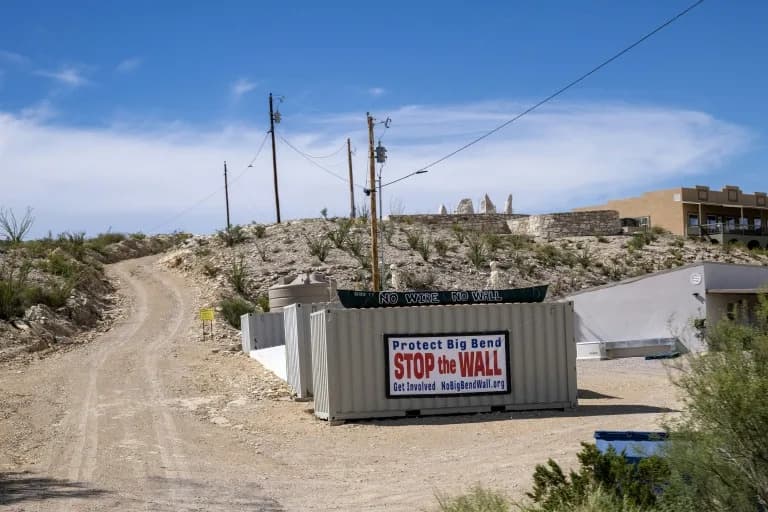
Similar resistance has surfaced elsewhere along the border, including camps and prayer fires on Tohono O'odham lands in Arizona and a recent temporary injunction halting some construction in Big Bend, Texas, after environmental groups sued.
Aftermath and Activist Response
Following the takedown, Scott vowed continued action: "They have just cut down our grandmother but her roots are within all of us," she said, promising a new wave of prayer, song and direct action. For now, construction continues in other sections of the San Rafael Valley, where work crews and concrete plants have advanced projects miles from the tree site.
Key facts: The standoff began July 27 and lasted about 70 days. Protesters estimated roughly 10 arrests and 10 citations after the raid. CBP said preconstruction surveys found no active migratory bird nests; the Department of Homeland Security has issued multiple environmental waivers for the project.
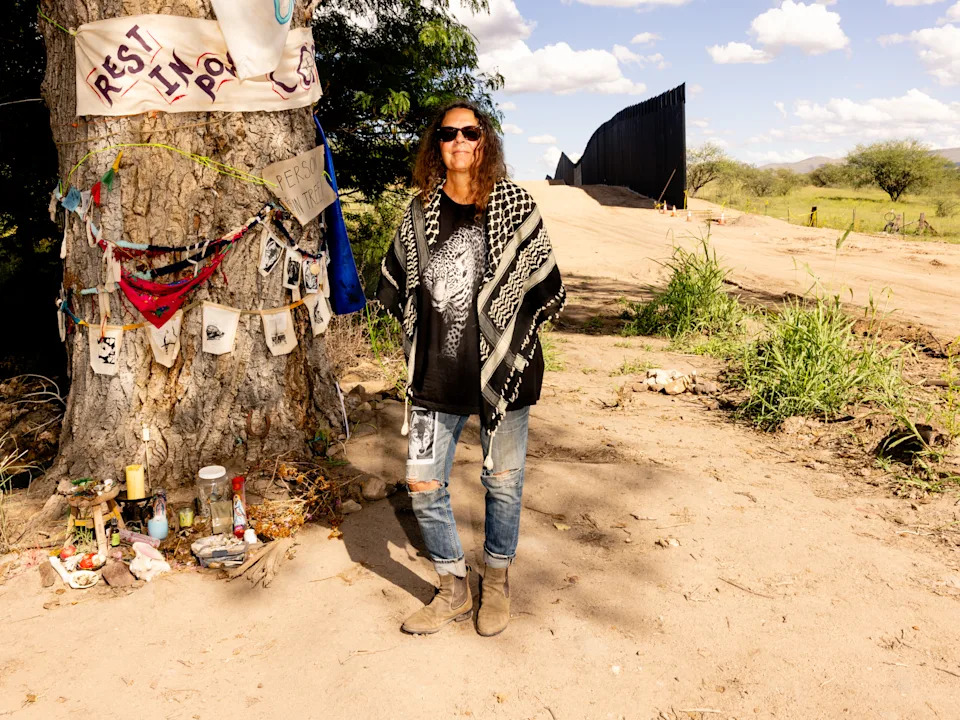
Kate Scott, co-founder of the Madrean Archipelago Wildlife Center, stood next to the cottonwood tree on Sept. 24. - (Cassidy Araiza/For The Washington Post)
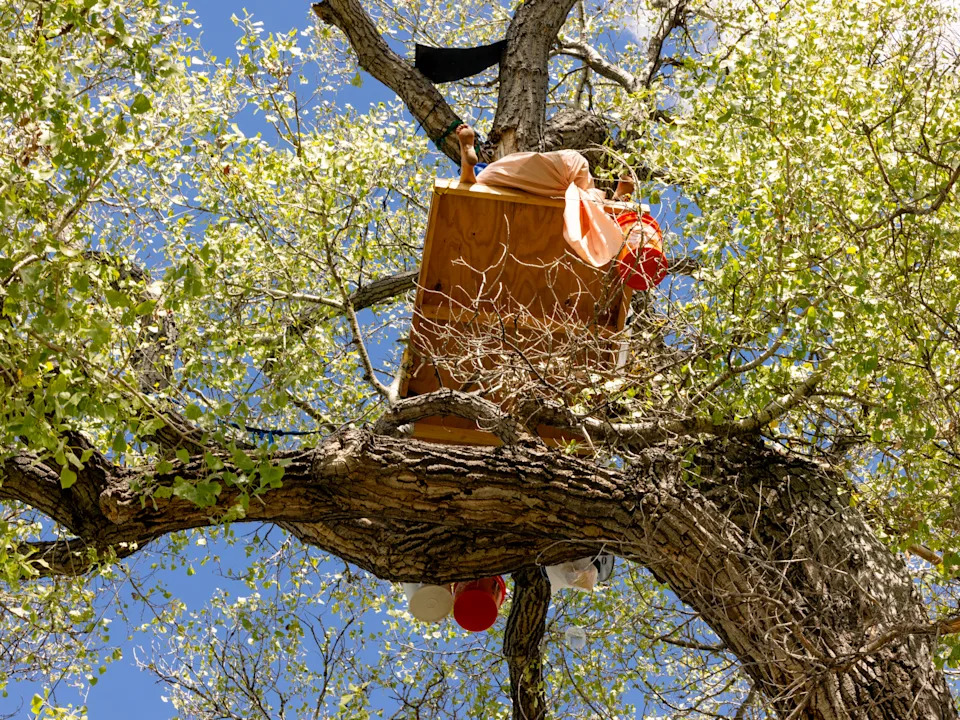
At first, a tree-sitter just sat on a high branch with a yoga mat. But by night, a plywood platform — big enough for just one person at a time — had been rigged up. - (Cassidy Araiza/For The Washington Post)
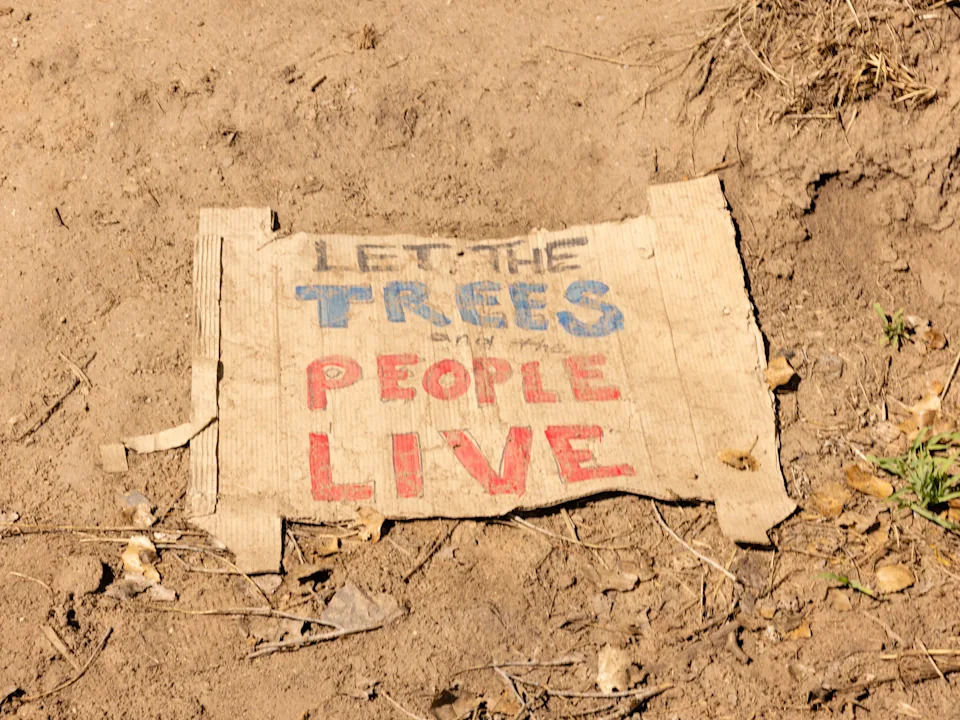
A handmade sign that says let the trees and people live is seen on the ground next to the tree. - (Cassidy Araiza/For The Washington Post)
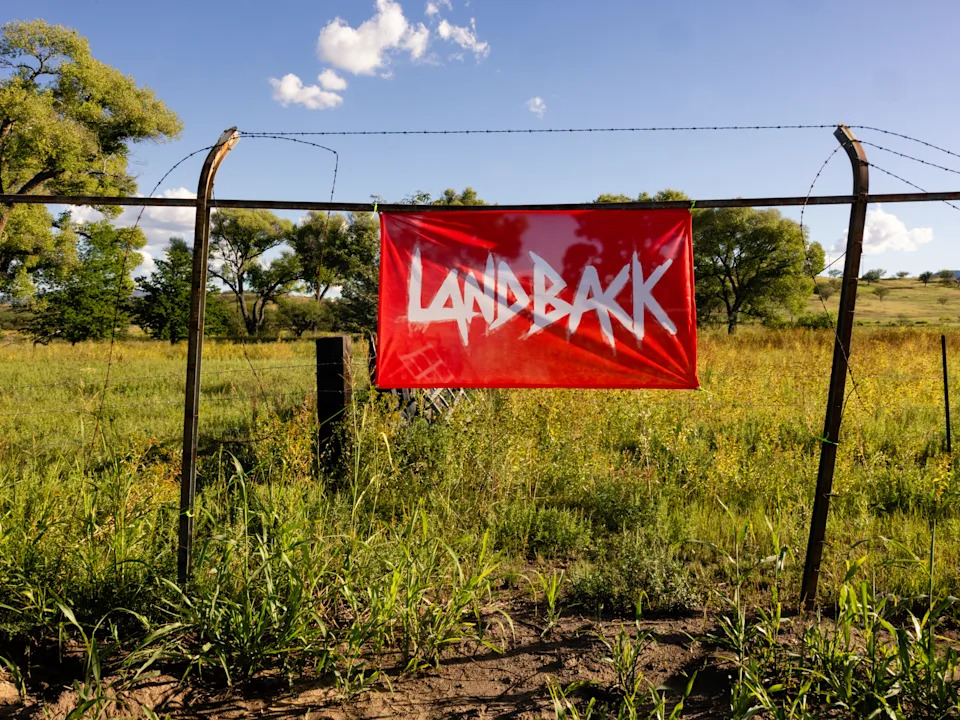
A "land back" banner in the San Rafael Valley near Lochiel. - (Cassidy Araiza/For The Washington Post)
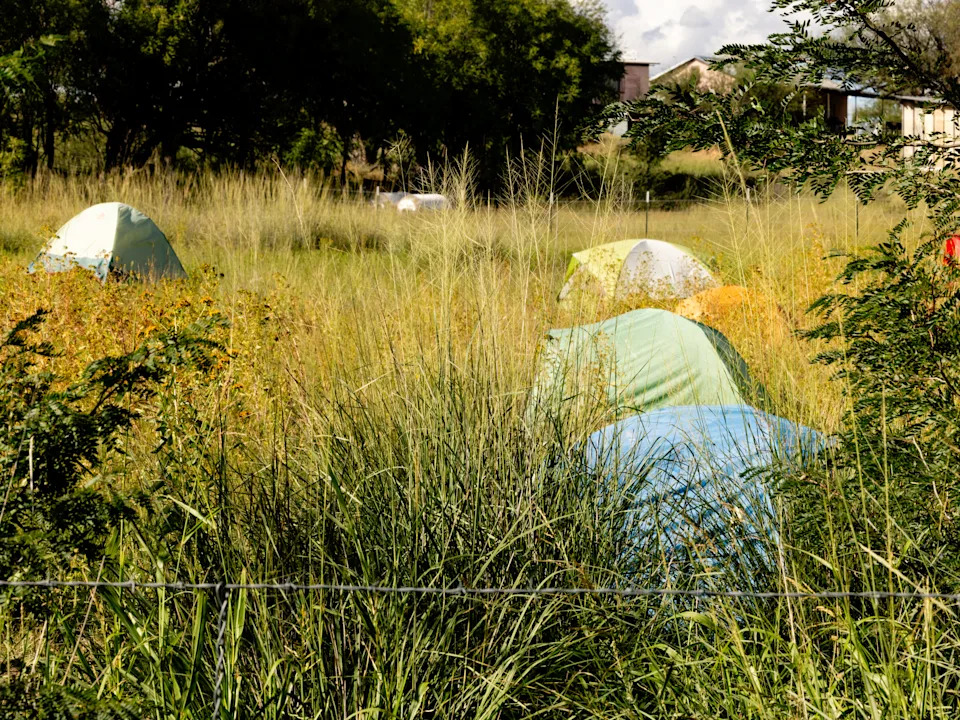
Tents next to the cottonwood tree. - (Cassidy Araiza/For The Washington Post)
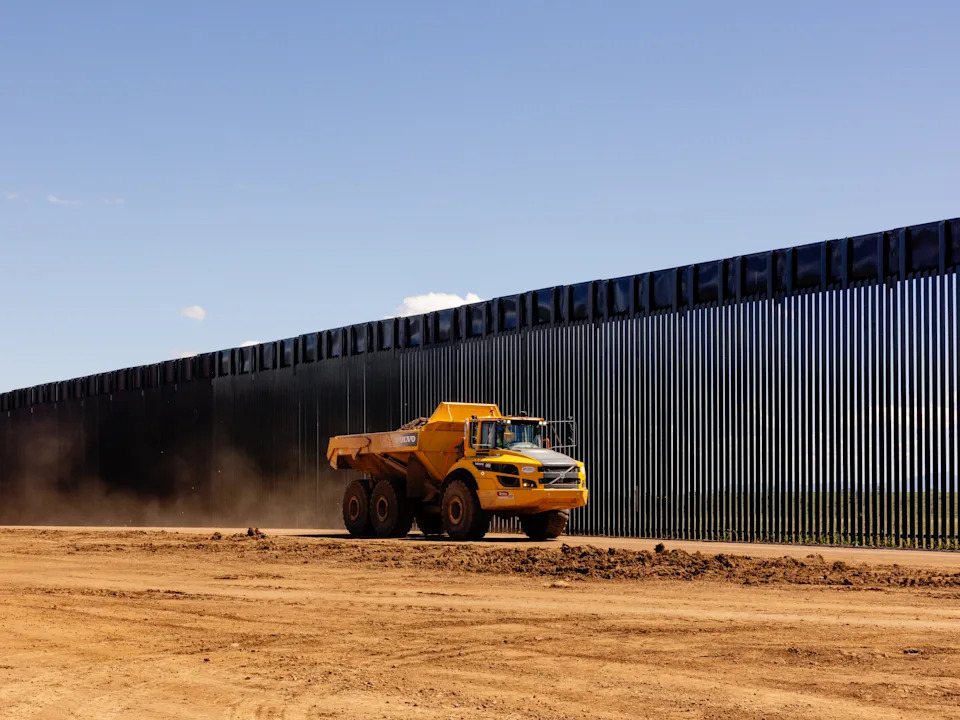
The border wall under construction near Lochiel. - (Cassidy Araiza/For The Washington Post)
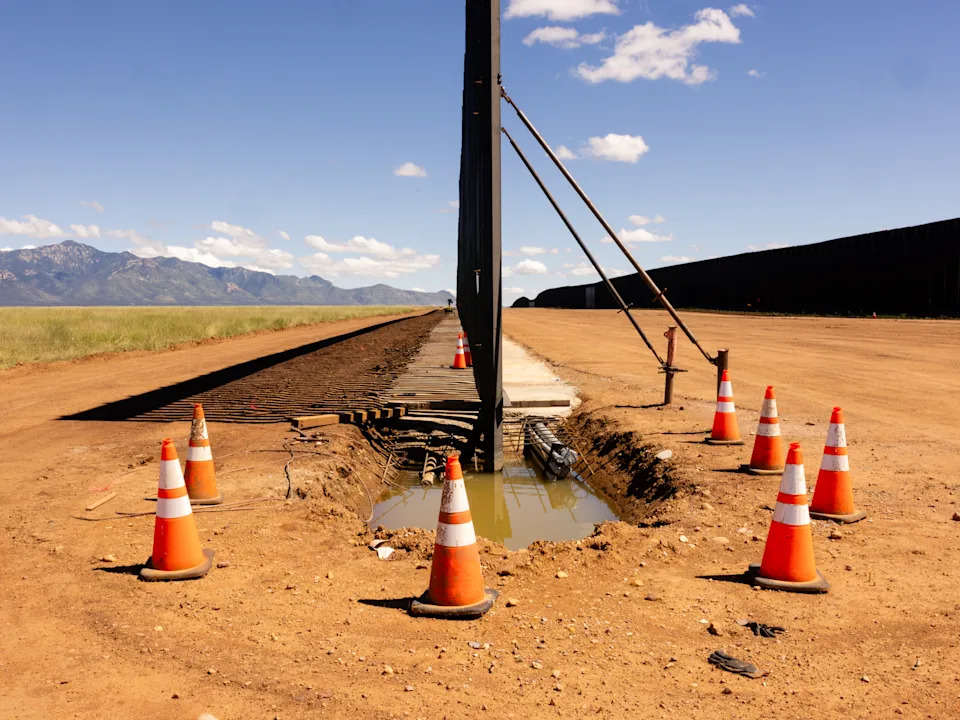
The double border wall. - (Cassidy Araiza/For The Washington Post)
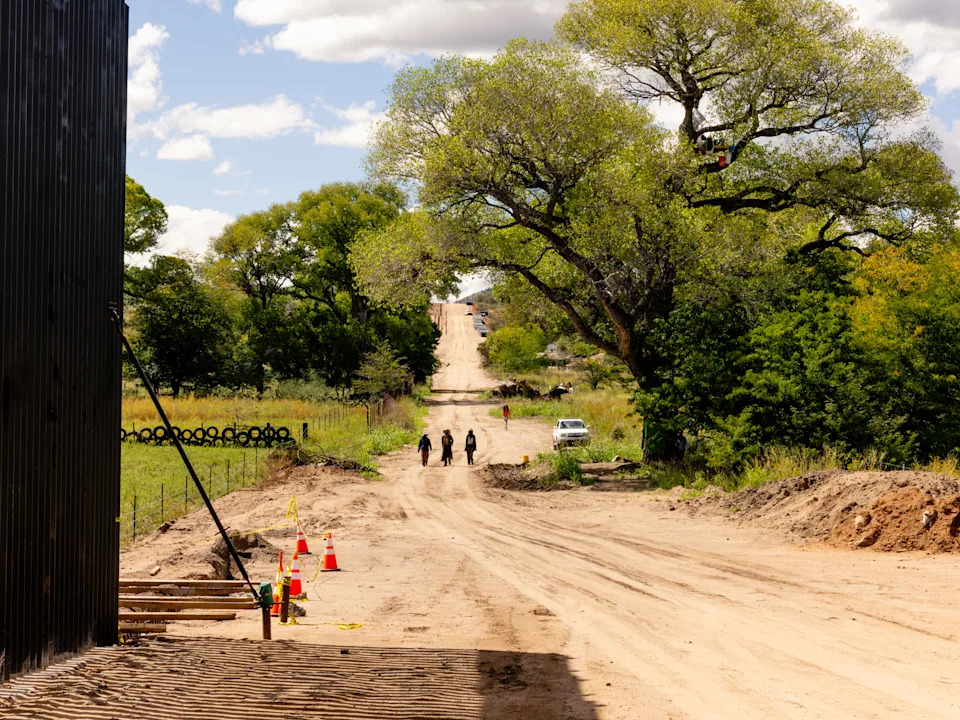
Activists near the "grandmother" cottonwood tree. - (Cassidy Araiza/For The Washington Post)
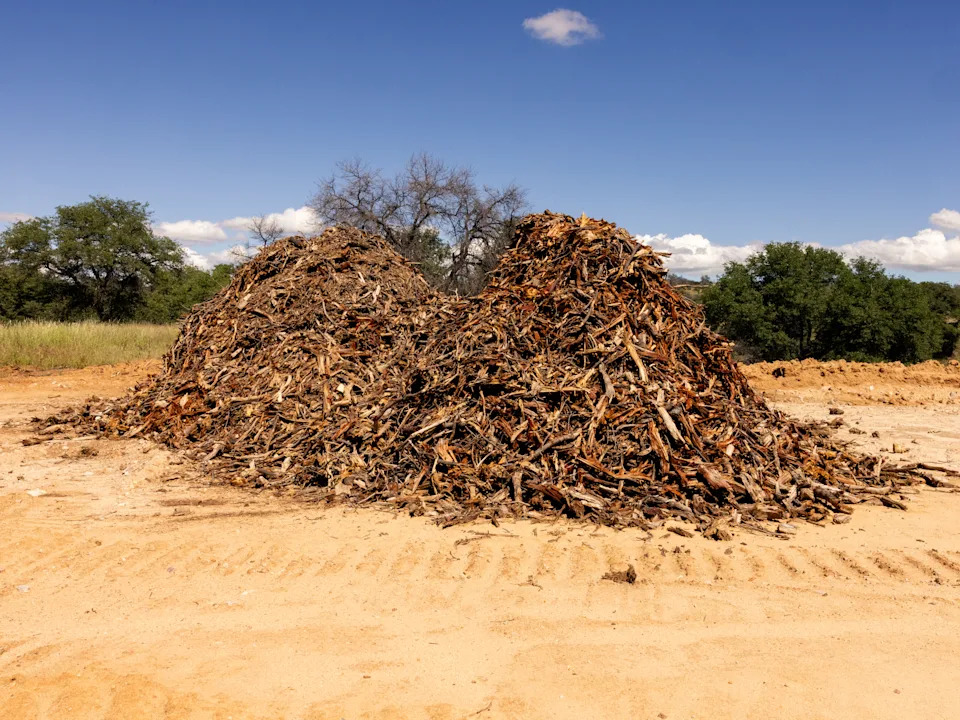
Trees knocked down to construct the double border wall. - (Cassidy Araiza/For The Washington Post)
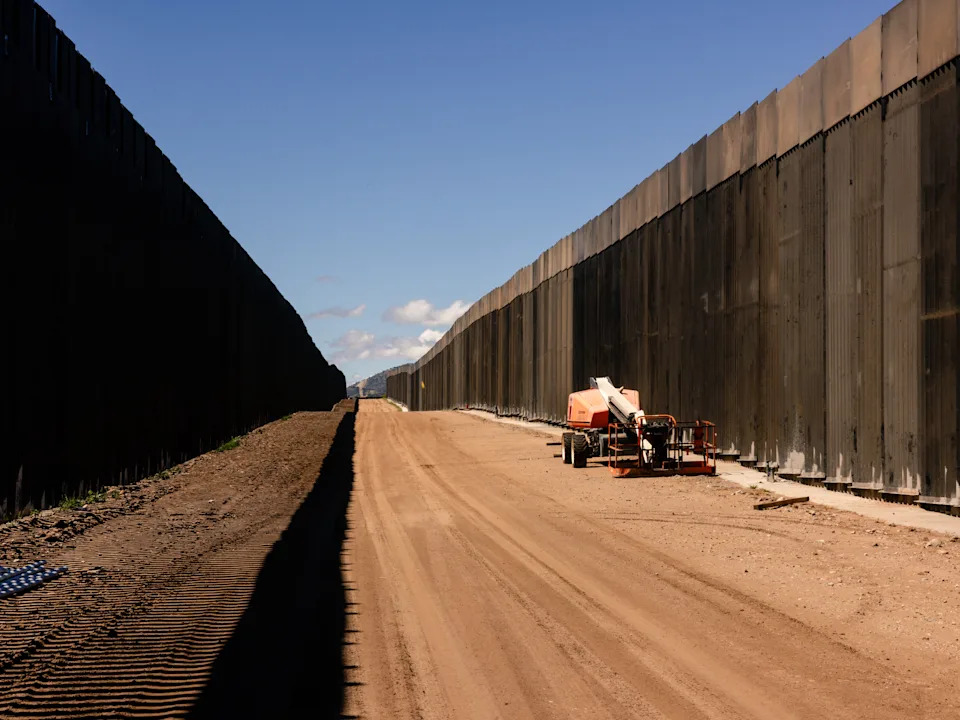
Construction continues on the double border wall. - (Cassidy Araiza/For The Washington Post)
Help us improve.