The U.S. Fish and Wildlife Service on July 14, 2026 declined a second petition to consider Endangered Species Act protections for the long-tailed macaque, despite its 2022 IUCN listing after an estimated 50% decline over 30 years. The United States imports more than 30,000 of these macaques each year for biomedical research—more than any other country. A 2025 study warns that breeding farms in Cambodia, Laos and Vietnam may be supplemented with wild-caught animals, keeping pressure on wild populations. Advocates say more transparent data and a federal review are still needed.
U.S. Rejects Second Petition to Protect Endangered Long-Tailed Macaques as Labs Import 30,000+ Annually
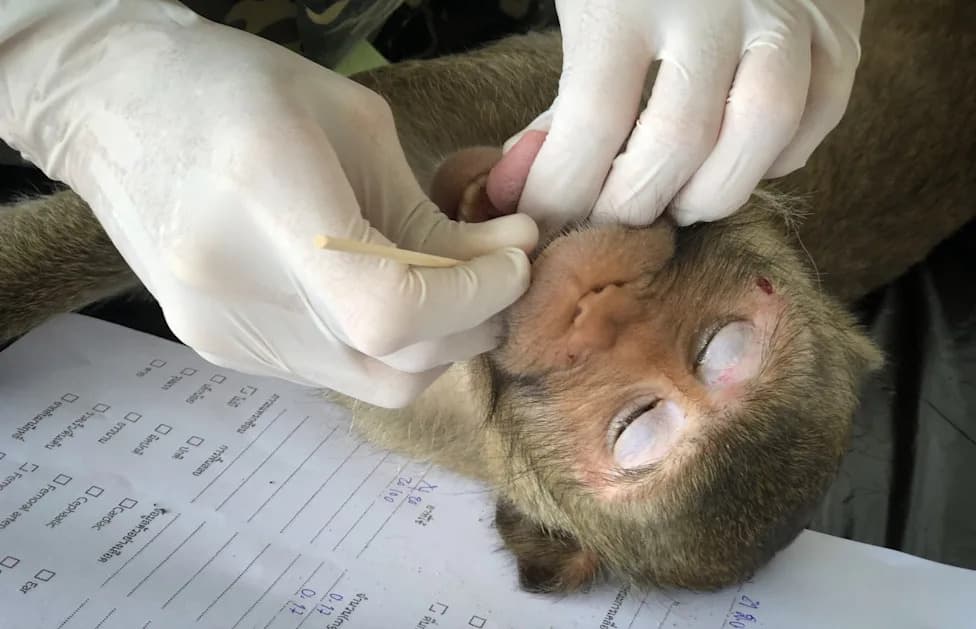
Photo Credit: iStock
Federal authorities on July 14, 2026 again declined to consider protecting the long-tailed macaque under the U.S. Endangered Species Act, leaving in place a major trade route that brings more than 30,000 of these monkeys into the United States each year for biomedical research.
Background
The long-tailed macaque (Macaca fascicularis) was added to the IUCN Red List as Endangered in 2022 after an estimated decline of at least 50% over the past three decades. Conservation groups and researchers warn that international demand—especially for laboratory use—is a major threat to remaining wild populations across Southeast Asia.
Agency Decision and Petitions
People for the Ethical Treatment of Animals (PETA) filed petitions in 2023 and 2025 requesting that the U.S. Fish and Wildlife Service (FWS) initiate a formal review to list the species under the Endangered Species Act (ESA). On both occasions, the agency concluded the petitions did not provide "substantial scientific information indicating listing may be warranted," and on July 14, 2026 it declined the second request for consideration.
Scale of the Trade
Reporting by Mongabay and others indicates the United States imports more than 30,000 long-tailed macaques annually—more than any other country—and many are used in biomedical research. An ESA listing could have allowed federal regulators to limit or better control those imports.
Concerns About Wild Capture
A 2025 study raised alarms that breeding facilities in Cambodia, Laos and Vietnam—purportedly supplying laboratories abroad—may be supplemented with animals taken from the wild. If true, that practice would continue to deplete already stressed wild populations even when exporters describe the trade as farm-based.
Conservation and Community Impacts
Declines in long-tailed macaques can signal broader pressures on Southeast Asian forests, local ecosystems and the human communities that depend on those ecosystems for food security and livelihoods. Advocates argue that the species' IUCN Endangered status and evidence of illegal or unregulated trade justified a full federal review; regulators say the petitions lacked sufficient evidence under U.S. legal standards.
What’s next: Advocacy and legal pressure continue. Conservationists call for more transparent sourcing data, independent field research, and stronger international cooperation to ensure that laboratory supply chains do not further threaten wild populations.
Help us improve.