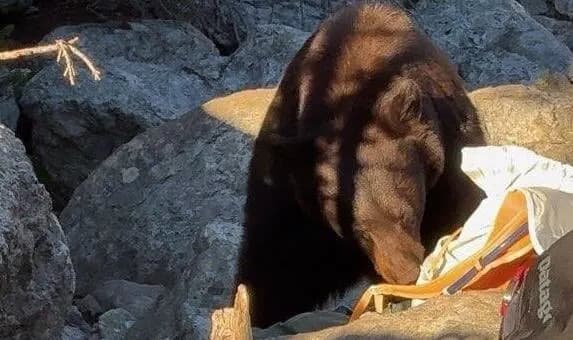
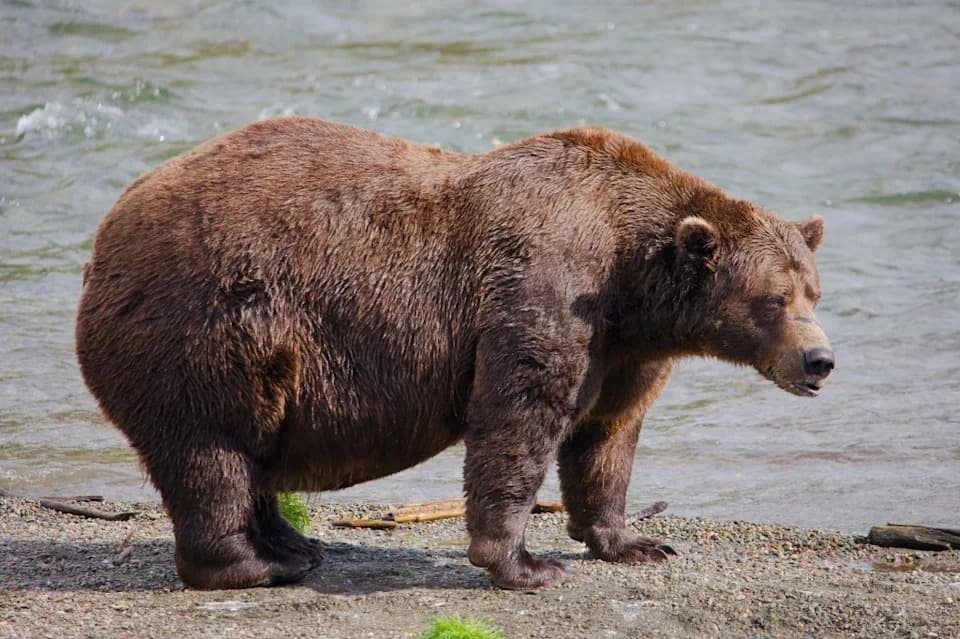
At Katmai National Park, a cub of Bear 335 ("Jolly") was killed on August 2 after an attack by an unrelated adult female downstream from the Ripples platform at Brooks River. The incident was not captured on park cameras but was reported by a visitor; rangers recovered and relocated the carcass and closed the area while monitoring. The event follows a similar attack last week and comes as park biologists estimate spring cub survival at roughly 33–50% amid increased maternal "intolerance."
Mother Bear Kills Cub at Brooks River — Second Tragic Incident in Days
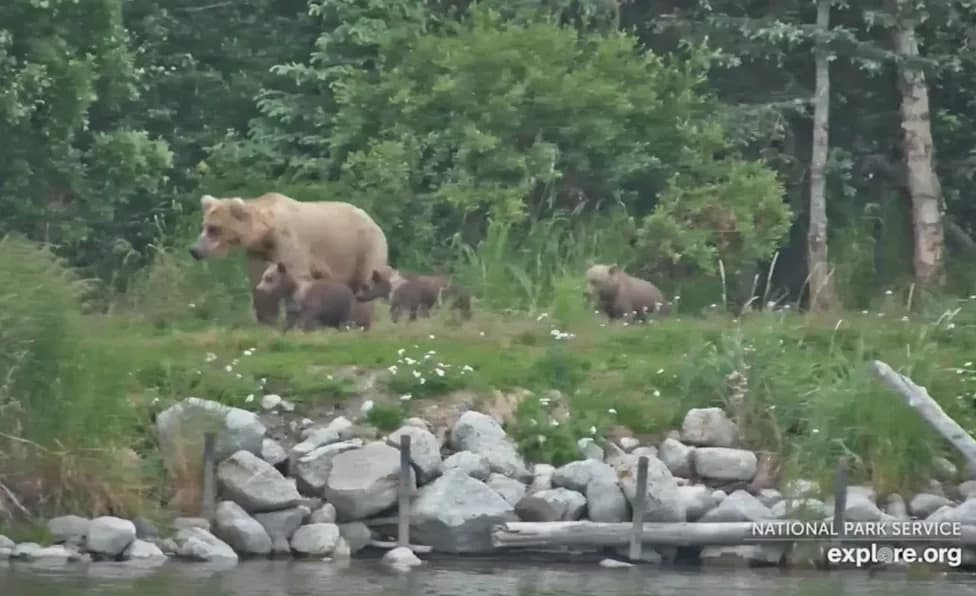
Bear 335 seen with her three cubs in July 2026.
On Sunday, August 2, a cub of Bear 335 (known as "Jolly") died after being attacked by an unrelated adult female bear at Brooks River in Katmai National Park, Alaska.
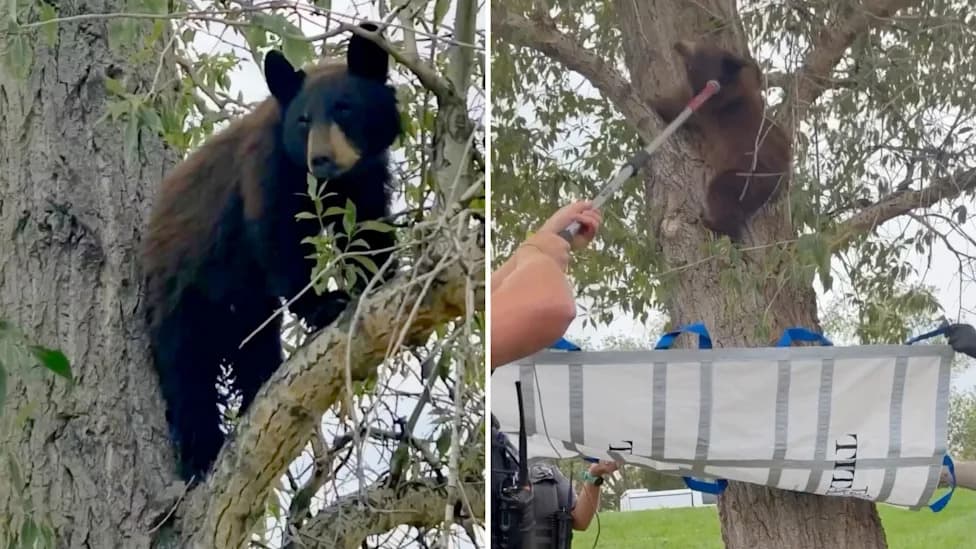
Park ranger Sarah Bruce confirmed the cub climbed a tree after following three unrelated cubs; the mother of the cubs already in the tree attacked, and Bear 335's cub did not survive. The identity of the adult female responsible has not been confirmed.
What Officials Say
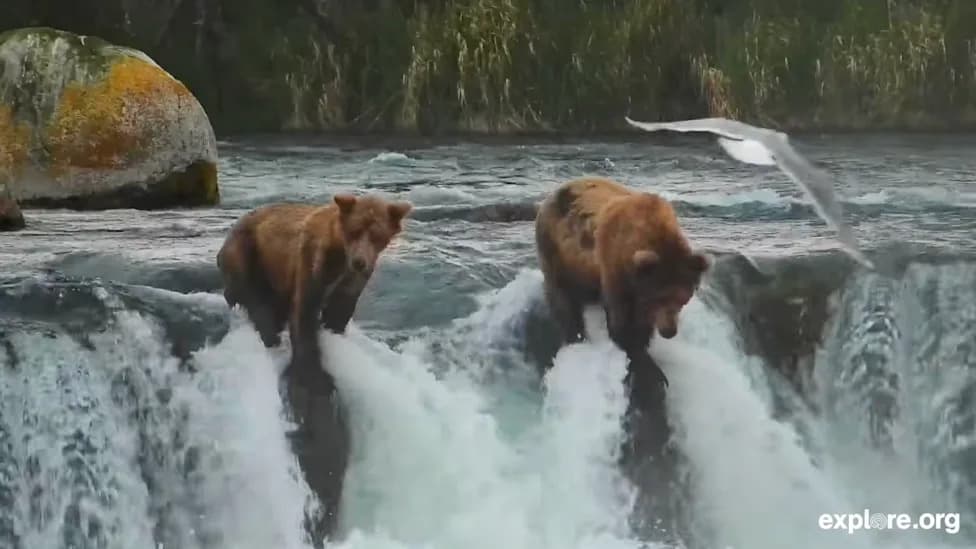
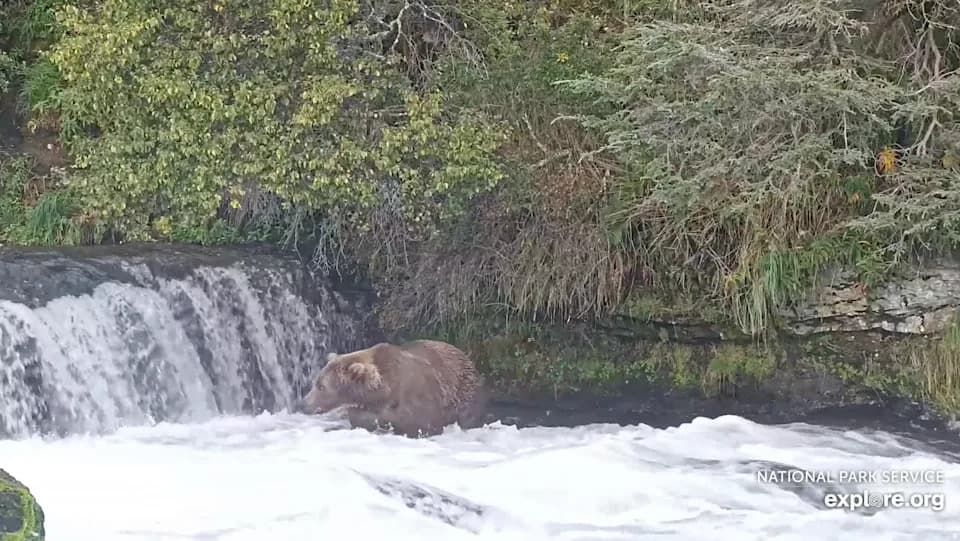
The attack occurred downstream from the Ripples platform, a popular spot where bears congregate to catch salmon, and was not captured by the park's camera system. Bruce told livestream viewers that a park visitor documented the encounter and reported it to park officials. "Even rangers on the ground weren't sure what happened," she said.
Katmai’s bear management team located the cub’s carcass near the river and moved it to a remote location inside the park. Relocating remains is standard practice because dead animals can "pose harm to humans and other bears and create sticky situations," Bruce explained. The area where the incident occurred remained closed to visitors while staff monitored the site.
Context And Biology
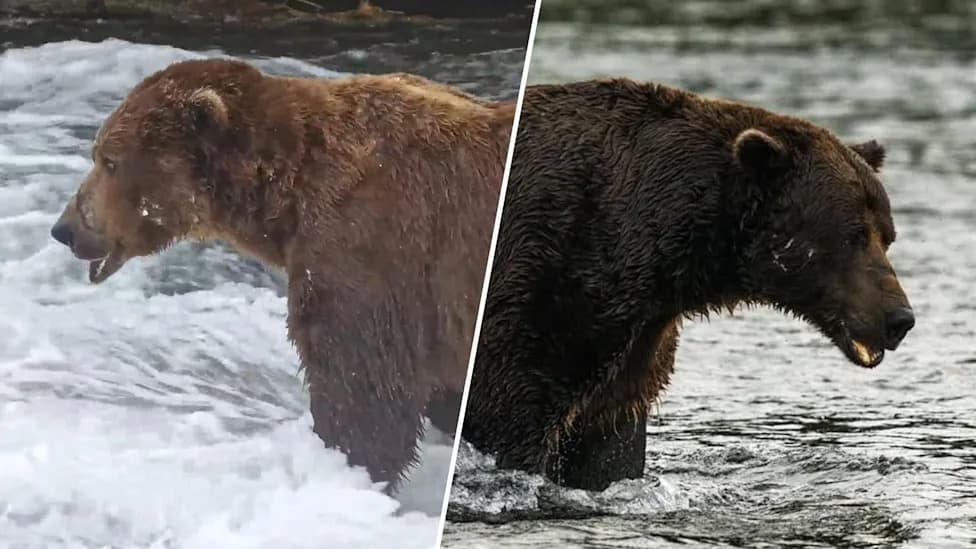
This incident follows a similar event last week when Bear 806 attacked the spring cub of Bear 909. Mike Fitz, a naturalist with Explore.org (which operates the park's live cameras), said that last week's case was the first documented instance of infanticide by an adult female at Brooks River.
Park biologist Michael Saxon estimates that survival rates for spring cubs (Cubs Of the Year, or COY) range from about 33 to 50 percent. Rangers Sarah Bruce and Christine Loberg noted that this season has shown increased "intolerance" among some mother bears toward unrelated cubs, a behavior that can be influenced by competition for food, territoriality, or high local densities at salmon runs.
Monitoring: Park staff continue to watch bear activity through on-the-ground observation and the park livestream. Officials may release further details as investigations proceed.
Help us improve.