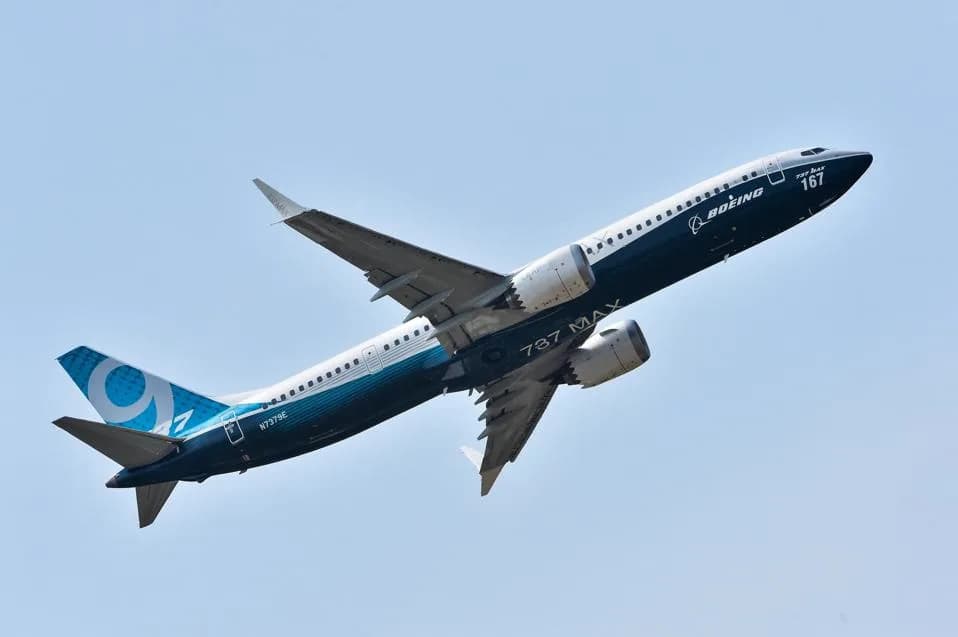
Boeing’s 737 MAX-7 received FAA certification after an almost 10-year review that was prolonged by past MAX crashes and tightened safety requirements. Regulators required fixes to flight-control software, crew alerting and the engine anti-ice system. The approval follows increased FAA scrutiny — including inspections of thousands of seats and unannounced audits — after a 2024 door-plug incident. Boeing produced roughly 30 MAX-7s and nine MAX-10s; the MAX-10 is expected to pursue approval later this year.
Boeing Stock Jumps After FAA Certifies 737 MAX-7 — Why Approval Took Nearly a Decade
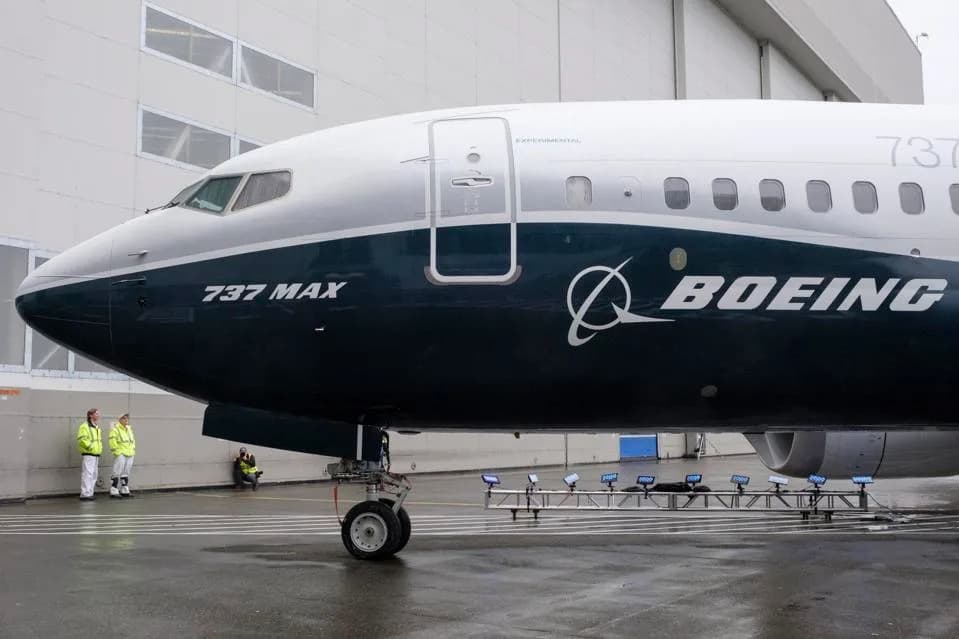
The first Boeing 737 MAX 7 aircraft sits on the tarmac outside of the Boeing factory on February 5, 2018 in Renton, Washington.
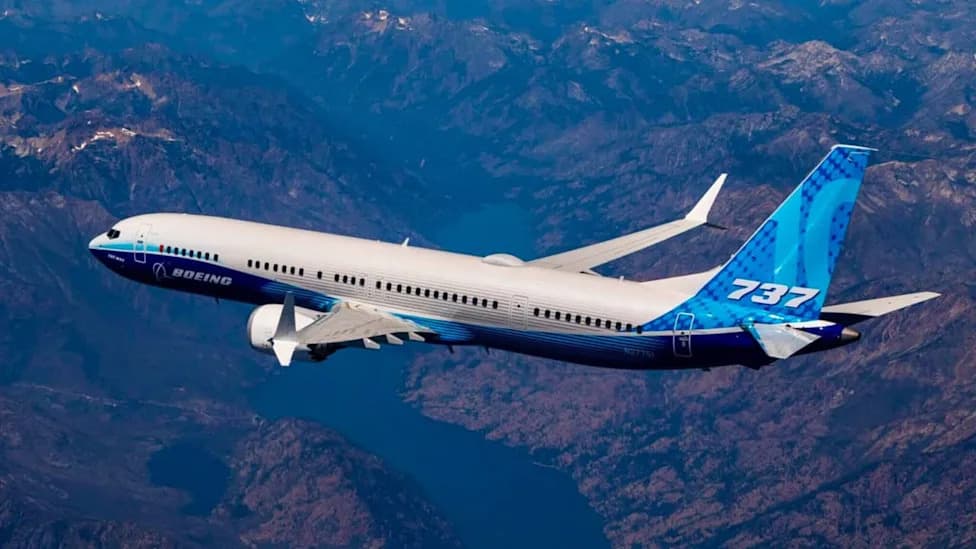
Boeing shares surged after the Federal Aviation Administration (FAA) formally certified the 737 MAX-7, concluding an extended certification process that stretched nearly 10 years. The approval comes after a lengthy review of systems and safety changes prompted by past tragedies and recent production concerns.
What the FAA Reviewed
The FAA's certification process examined the MAX-7's flight controls, flightcrew alerting systems and broader system-safety assessments. Regulators required Boeing to update the aircraft's flight-control software and improve crew alerting logic. The company also redesigned the engine anti-ice system after determining that extended use in dry conditions could overheat a component.
Why Certification Took So Long
The timeline was extended by the fallout from the 2018 and 2019 crashes of Lion Air Flight 610 and Ethiopian Airlines Flight 302, both involving the 737 MAX 8 and resulting in 346 fatalities combined. Those accidents prompted a global grounding of the MAX fleet and a broad re-evaluation of Boeing's design, training and oversight practices. Scrutiny intensified again after a 2024 Alaska Airlines door plug blowout, which led Boeing to withdraw an exemption request for the MAX-7.
Technical Fixes and Increased Oversight
Beyond software and alerting updates, the FAA recently flagged roughly 31,000 737 MAX seats for inspection amid concerns that improper installations could allow seats to detach from their tracks in an emergency. The door-plug incident also triggered increased audits and unannounced FAA inspections of Boeing's assembly lines — steps the agency described as unprecedented.
Production Status and Market Reaction
The MAX-7 is the smallest member of Boeing's 737 MAX family and seats about 150 passengers. Aviation analytics firm Cirium told Reuters that Boeing has produced about 30 MAX-7 units and nine MAX-10 units. The larger MAX-10 accounts for at least 28% of outstanding MAX orders and is expected to seek FAA approval later this year.
On the day of certification Boeing shares rose roughly 7.4%, trading near $232 at 3 p.m. EDT. That gain pushed the stock into positive territory for the year, up about 5.7% since the start of 2026 when shares were near $227.
Sources: FAA statements, Reuters reporting, Cirium analytics and Forbes' original coverage.
Help us improve.