EBT‑101, an in‑vivo CRISPR therapy delivered by AAV9, was given as a single IV infusion to six people in the first FDA‑cleared human test targeting HIV reservoirs. The study showed a reassuring safety profile — no serious adverse events, nine mild side effects, and no detected off‑target DNA damage — but it did not produce a cure: all four participants who stopped ART experienced viral rebound. One participant had a delayed rebound (~16 weeks) with measurable brain‑reservoir shrinkage, highlighting a single promising signal. Researchers point to guide RNA mismatches and single‑dose limits as primary barriers and recommend broader guide RNAs and combination strategies as next steps.
First In‑Human CRISPR for HIV Shows Strong Safety But Not A Cure — One Promising Signal
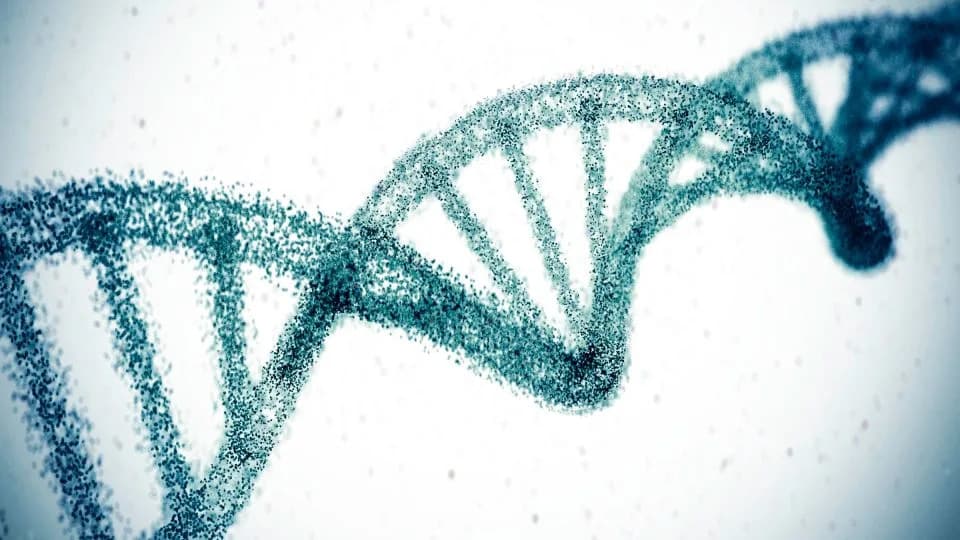
Image: Deposit Photos
Six volunteers received a single intravenous infusion of EBT-101, an in‑vivo CRISPR therapy designed to find and excise HIV proviral DNA from infected cells. Developed by Excision BioTherapeutics from foundational research at Temple University, EBT-101 is the first FDA‑cleared in‑vivo CRISPR candidate targeting HIV reservoirs; early human data were presented at the International AIDS Conference 2024.
How it works: The therapy uses an AAV9 viral vector to deliver CRISPR‑Cas9 "molecular scissors" into cells. The guide RNAs direct cuts at conserved regions of the HIV genome — regulatory LTR sequences and the gag structural gene — with the goal of excising integrated viral DNA from host genomes.
Study design: Six participants received a single IV infusion at one of two dose levels (0.9 × 10¹² or 3 × 10¹² vector genomes/kg). Participants remained on antiretroviral therapy (ART) for 12 weeks after dosing; some then stopped ART under clinical supervision to test for viral rebound.
Safety and on‑target editing: Safety was the clearest headline. Across all six people there were zero serious adverse events and nine mild side effects total. Importantly, investigators reported no detected off‑target DNA damage — the CRISPR system cut at intended sites and not elsewhere in the sampled genomes — a crucial finding for any permanent genome editing approach.
Effectiveness and limits: Of the four participants who stopped ART, all experienced viral rebound, so the therapy did not produce durable remission in this small cohort. One participant, however, had a delayed rebound at roughly 16 weeks and also showed measurable shrinkage in a frozen brain tissue reservoir — a single, intriguing biological signal that warrants follow‑up.
Explaining the shortfall: Investigators attribute the gap between promising animal results and these early human outcomes largely to guide RNA mismatches and single‑dose constraints. EBT‑101’s guide RNAs were designed for HIV subtype B and did not perfectly match some participants’ viral sequences, reducing editing efficiency. Limited dosing and the complexity of human viral diversity likely constrained efficacy.
Next steps: Researchers emphasize improving guide RNA breadth (conserved sequences across subtypes), optimizing delivery and dosing, and testing combination strategies — for example, pairing reservoir editing with CCR5 modification, broadly neutralizing antibodies, or latency‑reversing agents — to increase the chance of durable remission.
Rachel Presti (Washington University): "Important clinical evidence that a gene editing treatment modality can be safely delivered for targeting the HIV DNA reservoirs in human cells."
Bottom line: EBT‑101 did not cure HIV in this first‑in‑human test, but it established that in‑vivo proviral editing in people is feasible and safe at the doses tested. The trial maps clear technical hurdles — viral diversity, guide RNA design, and dosing strategy — that next‑generation approaches must overcome to move from safety to durable remission.
Help us improve.