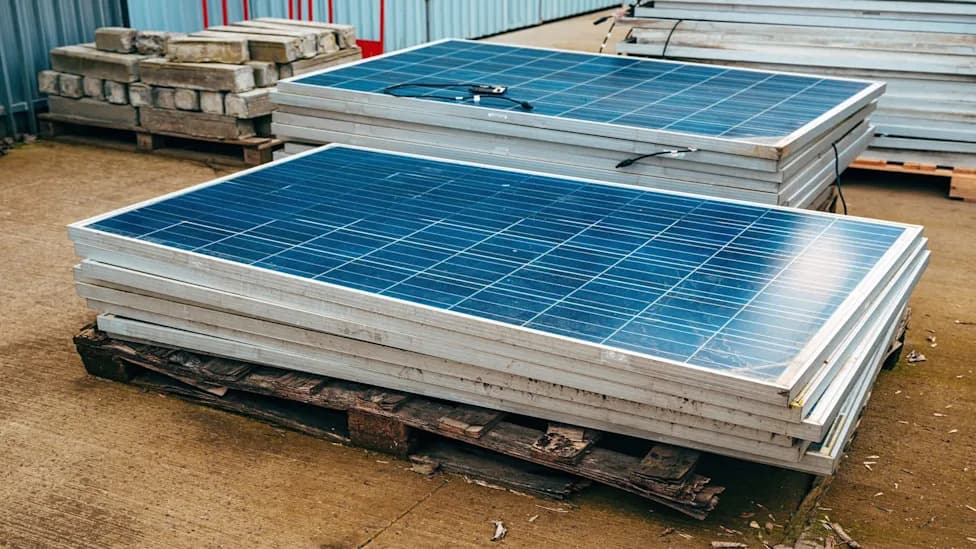
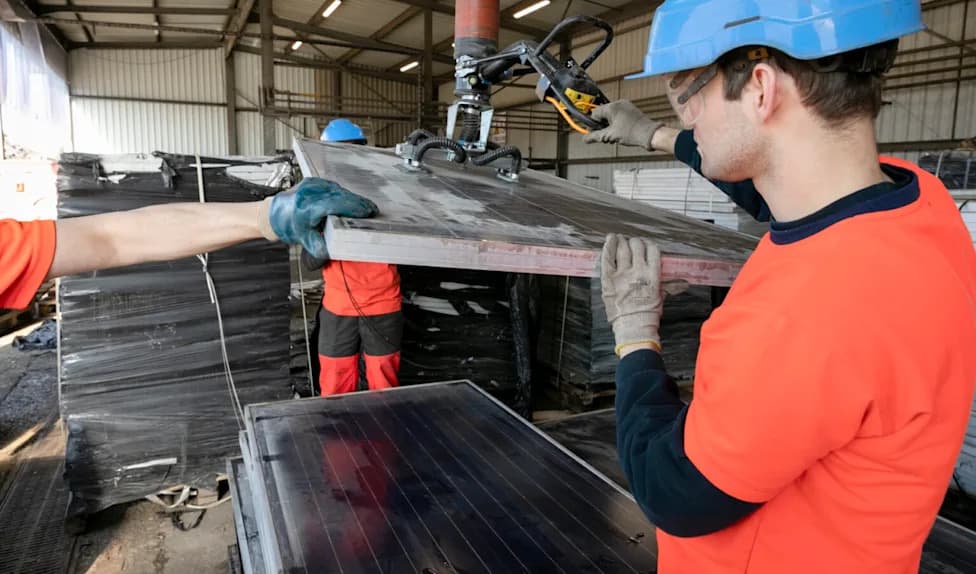
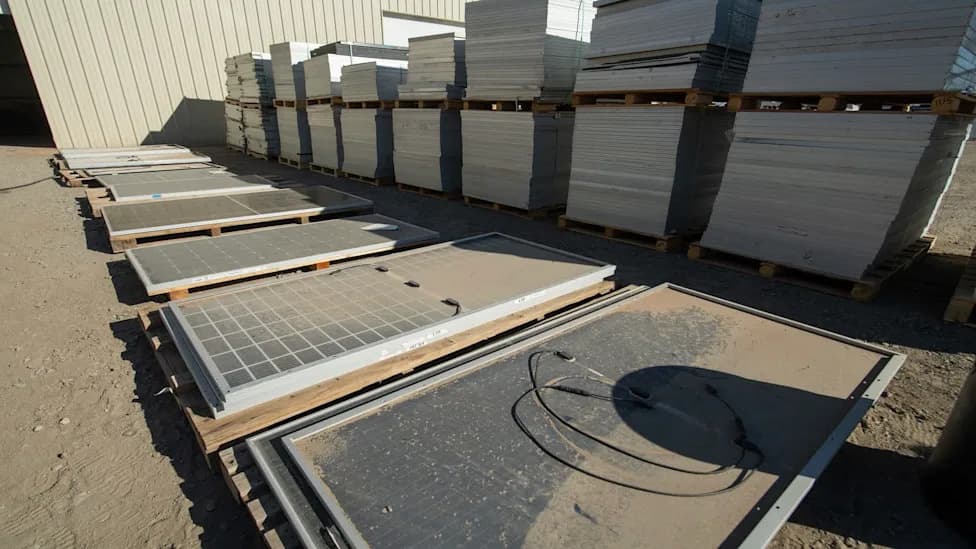
The rapid expansion of solar power risks creating a massive stream of retired panels: NYU Tandon researchers estimate more than 88 million tons of photovoltaic waste by 2050 if recycling lags. Current systems usually reclaim frames, glass and some copper, while extracting valuable metals like silver and lead remains costly and hazardous. Hydrometallurgy, design-for-recycling, and recyclable technologies such as perovskites offer promising paths to recover materials and reduce environmental harm.
Solar’s Hidden Waste: More Than 88 Million Tons Of Panels Could Be Discarded By 2050 — Can Recycling Keep Up?
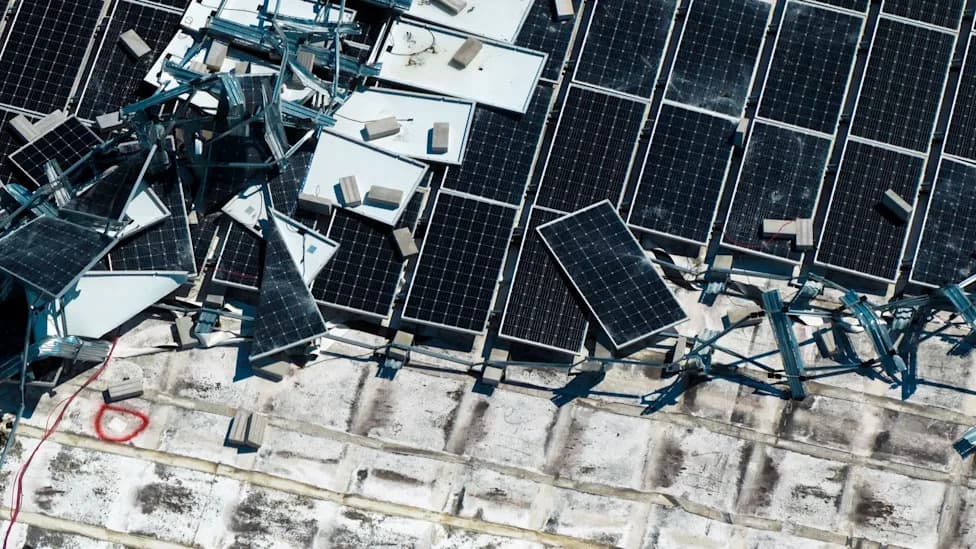
Photo Credit: iStock
Solar panels are a cornerstone of the transition to cleaner energy, but their rapid deployment creates a looming disposal challenge: without better recycling systems, retired photovoltaic modules could generate more than 88 million tons of waste by 2050, researchers at NYU Tandon School of Engineering warn.
The Scale Of The Problem
Today's recycling infrastructure typically recovers the easiest, bulk materials from end-of-life panels — aluminum frames, sheets of glass and some copper wiring. However, extracting higher-value and critical materials such as silver, indium, gallium, tellurium and lead remains technically difficult, costly and often environmentally hazardous.
Why Extraction Is Hard
Many existing recycling processes rely on pyrometallurgy, which separates materials by heating them to very high temperatures. While effective in some cases, pyrometallurgy consumes substantial energy and can make it harder to isolate individual metals cleanly for reuse. For conventional crystalline silicon panels — which make up roughly 95% of the global market — recovering silver commonly requires strong acids (for example, nitric acid), posing safety and waste-treatment challenges. Thin-film technologies face comparable obstacles because reclaiming their critical metals typically depends on harsh chemical treatments.
Promising Alternatives: Hydrometallurgy And Design For Recycling
To close the recycling gap, researchers are exploring hydrometallurgy, a liquid-based set of processes that can selectively dissolve and separate metals at lower temperatures. "It's a much more selective approach," post-doctoral researcher Sara Hamilton said. "Rather than treating a solar panel as waste, we're treating it as a source of valuable materials that can be recovered and put back into the supply chain." Hydrometallurgical techniques can reduce energy use and improve the purity of recovered materials, though they require careful chemical management to avoid secondary pollution.
New Technologies Could Be Easier To Recycle
Emerging solar technologies may be designed with end-of-life recovery in mind. Perovskite solar cells, notable for their low manufacturing cost and high laboratory efficiencies, are constructed from layered materials held together by relatively weak chemical interactions. That structure appears to ease disassembly and recycling: NYU researchers cite studies showing lead (a common component in perovskites) can be recovered using hot water, then crystallized as the solution cools into a compound usable for new perovskite devices — a step toward closing the material loop for that technology.
"Solar panels are the clean energy infrastructure of the future," researcher Juanita Hidalgo said. "But to make solar truly sustainable, we also need to think about what happens after these technologies reach the end of their lifetime."
What Needs To Happen
Researchers argue for a three-part strategy: strengthen recycling infrastructure, invest in lower-energy and more selective recovery methods (like hydrometallurgy), and adopt design-for-recycling principles so new panels are easier to disassemble and reuse. Without action, large volumes of panels could be landfilled or processed inefficiently, creating a new environmental burden and squandering materials that required substantial mining and energy to produce.
Policymakers, manufacturers and recyclers will need to coordinate on standards, incentives and technology development to ensure the solar transition truly reduces environmental harm across the product lifecycle.
Help us improve.