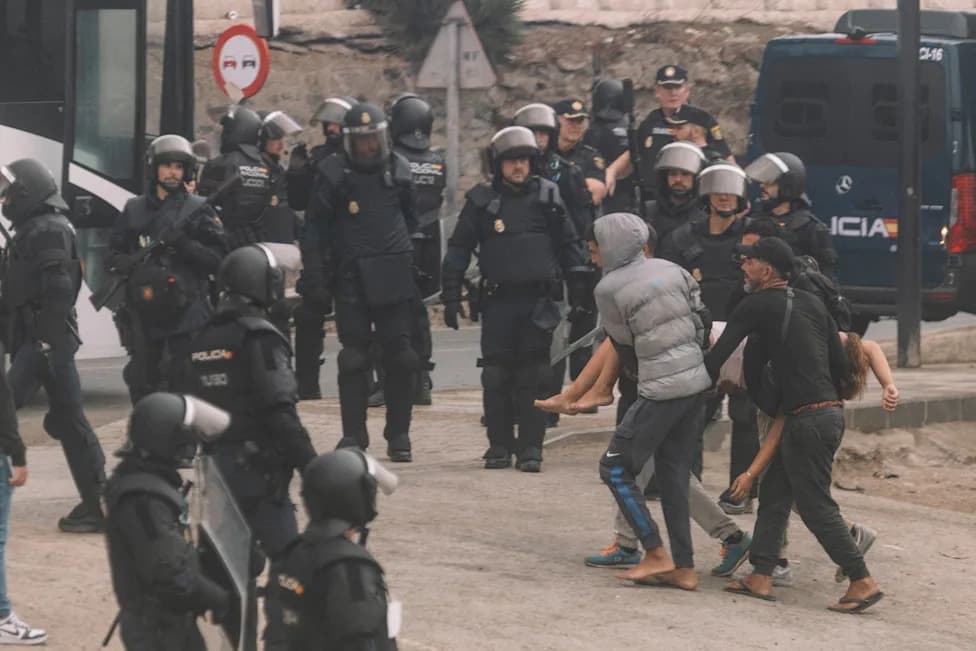
Spain’s Ceuta and Melilla — together with a few nearby islets — are the last European-held territories on mainland Africa and a persistent source of tension with Morocco. The two cities have deep historical roots in Iberian rule, host mixed Spanish and Moroccan-origin populations, and maintain strong cross-border ties. A recent surge of migrants into Ceuta heightened diplomatic strain, but most residents prefer to remain Spanish; experts disagree whether that will change Spain’s long-standing sovereignty claim.
Why Spain Still Holds Enclaves on North Africa’s Coast — History, Dispute and What Comes Next
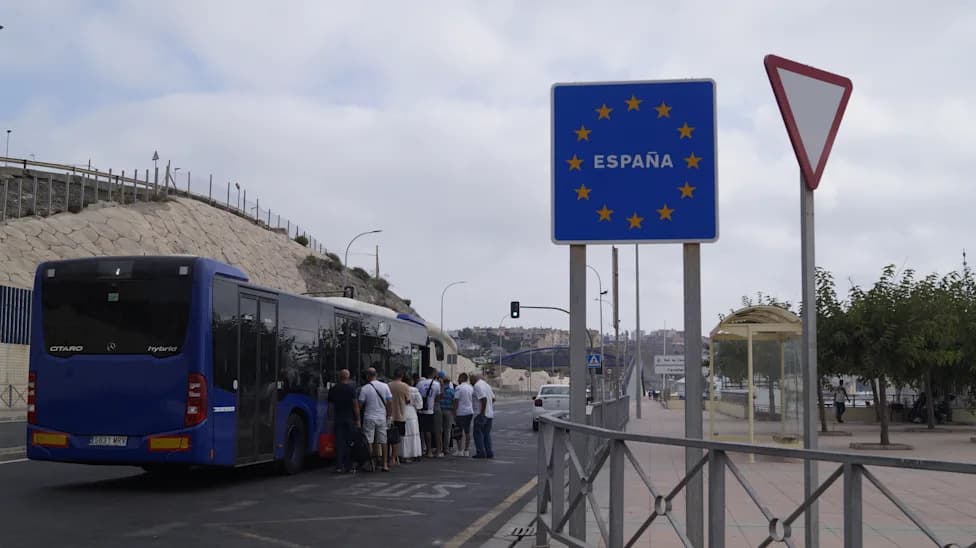
The land border between the enclave of Ceuta and the Moroccan town of Fnideq [File: Bianca Carrera/Al Jazeera]
Spain’s small European territories on the north coast of Africa — the autonomous cities of Ceuta and Melilla, plus several rocky islets known as the Plazas de Soberanía — have long been a flashpoint in relations with neighbouring Morocco. Although geographically on the African mainland, these territories are administered by Spain and form part of the European Union’s external frontier.
Historical Background
Ceuta entered Iberian control in 1415 under Portugal and became part of Spain in 1580; when Portugal regained independence in 1640, Ceuta remained Spanish. Melilla was captured by a Spanish nobleman in 1497. The Plazas de Soberanía (including the Chafarinas, Alhucemas and Peñón de Vélez de la Gomera) are small, mostly uninhabited outposts off the Moroccan coast.
After Spain’s large-scale imperial losses in 1898 and the broader decolonisation of the 20th century, Ceuta and Melilla remained the last significant European-held territories on mainland Africa.
Legal Status and the Dispute
Spain treats the enclaves as integral Spanish territory. Morocco, which gained independence in 1956, has never accepted Spanish sovereignty over Ceuta, Melilla (called “Sebta” and “Melilah” in some Moroccan discourse) or the Plazas de Soberanía, and has pressed for their return ever since. The disagreement has produced episodic diplomatic and political tension between Madrid and Rabat.
Legal experts note the dispute is as much political as legal. International-law arguments are complex: while Morocco can advance historical and geographic claims, courts and U.N. processes have not produced a binding transfer of sovereignty. A 1970s Moroccan request to list the territories as "Non-Self-Governing" with the U.N. decolonisation committee was not accepted.
People, Daily Life and Border Controls
Ceuta and Melilla each have populations in the tens of thousands (around 84,000 in Ceuta and 86,000 in Melilla). Both cities host mixed communities of Christians and Muslims, Spanish and Moroccan-origin residents, and maintain strong cultural and economic ties with neighbouring Morocco. The Plazas de Soberanía are sparsely populated and mainly host Spanish military personnel.
Administratively, the enclaves are EU territories with special border arrangements. They are not fully integrated into the Schengen Area; travel between the enclaves and mainland Spain is controlled, with identification checks by law-enforcement authorities at ports and airports and document checks by carriers.
Recent Tensions: Migration and Diplomacy
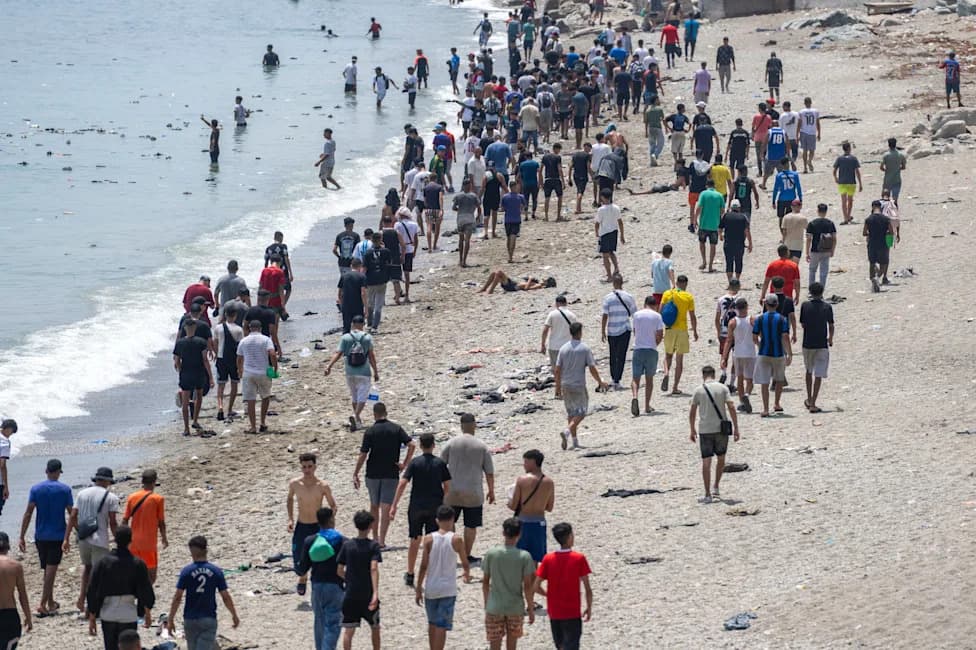
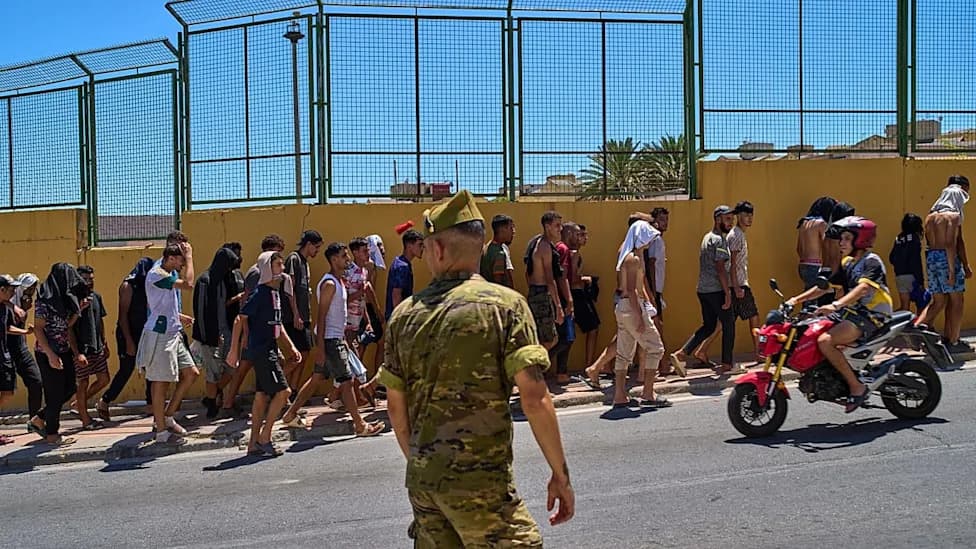
Relations between Spain and Morocco intensified after a recent surge of migrants into Ceuta, when more than 50,000 people crossed the border in a short period. Most returned to Morocco, but several thousand remained in Ceuta, stirring political and social pressure locally. Local polls consistently show majorities in both enclaves prefer to remain Spanish, citing social welfare and economic reasons.
Diplomatic dynamics are fluid: in March 2022, Spanish Prime Minister Pedro Sánchez signalled a policy shift by recognising Morocco’s position on Western Sahara, a move that altered the tone of bilateral engagement. Analysts disagree about whether migration crises or diplomatic concessions could eventually lead to major changes in sovereignty.
Outlooks: Negotiation, Status Quo or Gradual Change?
Views diverge. Some scholars argue the enclaves are anachronistic remnants of empire and may ultimately be subject to negotiation as European states confront colonial legacies. Others — including analysts familiar with the region — expect Spain to preserve sovereignty while making tactical, practical adjustments on border management, security cooperation and migration policy.
In short: Ceuta and Melilla are small territories with outsized geopolitical significance. Their future will likely be shaped less by immediate legal rulings and more by diplomacy, migration pressures and broader Spain–Morocco relations.
Key facts: Ceuta under Portuguese rule from 1415 and Spanish since 1580; Melilla taken by Spain in 1497; Morocco has pressed claims since 1956; both cities host mixed populations and strong cross-border ties; recent migrant surges have heightened tensions but local populations overwhelmingly favour remaining Spanish.
Help us improve.