DeepHealth, a RadNet subsidiary, received FDA 510(k) clearance for its AI-driven DeepHealth Breast Ultrasound system, which automates lesion localization, BI-RADS-aligned characterization and report generation. The system is now available for sale in the US and may be eligible for reimbursement under a Category III CPT code. Company-reported results show >98% lesion localization accuracy, an 8% sensitivity gain for cancer detection and a 37% reduction in interpretation time. RadNet plans a network rollout by year-end, potentially qualifying over 700,000 annual studies for reimbursement.
FDA Clears DeepHealth’s AI Breast Ultrasound With 510(k) — >98% Lesion Localization, Faster Reads
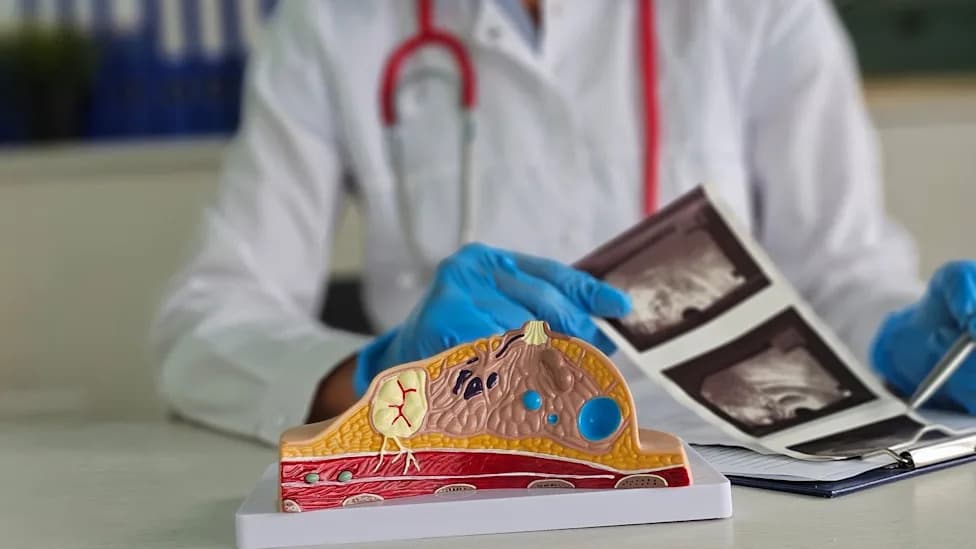
RadNet plans to implement DeepHealth Breast Ultrasound network-wide this year
RadNet subsidiary DeepHealth has received 510(k) clearance from the US Food and Drug Administration for DeepHealth Breast Ultrasound, an artificial intelligence tool designed to assist breast ultrasound imaging.
The system is now cleared for sale in the United States and can be submitted for reimbursement under an existing Category III CPT code for quantitative ultrasound tissue characterization.
What the tool does
DeepHealth Breast Ultrasound automates lesion localization, characterizes lesion features using the ACR BI-RADS framework, and generates draft radiology reports to support sonographers and radiologists. The company says the goal is to standardize workflows, reduce operator variability, and improve efficiency and consistency during breast ultrasound examinations.
Evidence supporting clearance
For its FDA submission, DeepHealth referenced a multi-reader, multi-case study that included 16 board-certified radiologists working at selected US imaging centers and hospitals. The company also validated the tool in live clinical settings under regulated research protocols run by RadNet.
Dr Jason McKellop, Medical Director, Women’s Imaging, RadNet California, said: "Breast ultrasound is an essential component of the breast care pathway, with approximately 40% of women undergoing the exam at some point in their lives. It is a highly complex, operator-dependent examination, which can lead to significant variability in image acquisition, interpretation and reporting. With DeepHealth's breast ultrasound solution, we can achieve greater standardisation of workflows, improving consistency while saving time for patients, sonographers and radiologists. By streamlining the examination process, we can help reduce exam times, enhance efficiency and ultimately improve patient outcomes."
Reported performance
DeepHealth cites performance results including >98% accuracy in lesion localisation, an 8% improvement in cancer detection sensitivity, and a 37% reduction in radiologist interpretation time compared with standard workflows. These metrics come from the company’s submitted studies and live validations.
Rollout and broader portfolio
RadNet plans to deploy DeepHealth Breast Ultrasound across its network by year-end and estimates that more than 700,000 annual breast ultrasound studies within its system could be eligible for reimbursement. DeepHealth’s broader portfolio also includes AI-enabled solutions for mammography, breast density assessment, breast arterial calcification assessment, risk prediction, and operational analytics.
Strategic partnerships
In September 2024, DeepHealth entered a partnership with HOPPR to commercialize a medical-grade, generalized foundation model designed to support the development of fine-tuned AI models for cancer detection.
Reporting note: This article was originally published by Medical Device Network, a GlobalData-owned brand.
Help us improve.