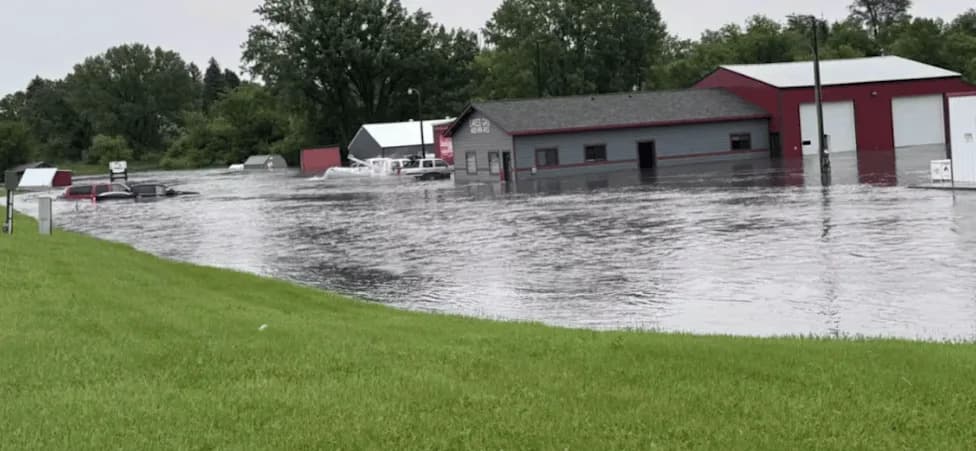
Extreme weather and billion-dollar disasters have surged in recent decades, and nearly 60% of Americans now feel a personal obligation to act. "Climate democracy" calls on communities to lead prevention, preparedness, and recovery through local planning, nature-based mitigation, and managed retreats. Federal policy must shift incentives away from fossil fuels, prioritize disaster avoidance and faster buyouts, and create a single portal for aid—while local civic leadership organizes and implements solutions.
Climate Democracy: How Communities Can Lead the Response to Extreme Weather

People have long joked that "everybody talks about the weather" while doing nothing to change it. Today, however, we know our daily choices—especially how we consume energy—help determine whether weather becomes more extreme.
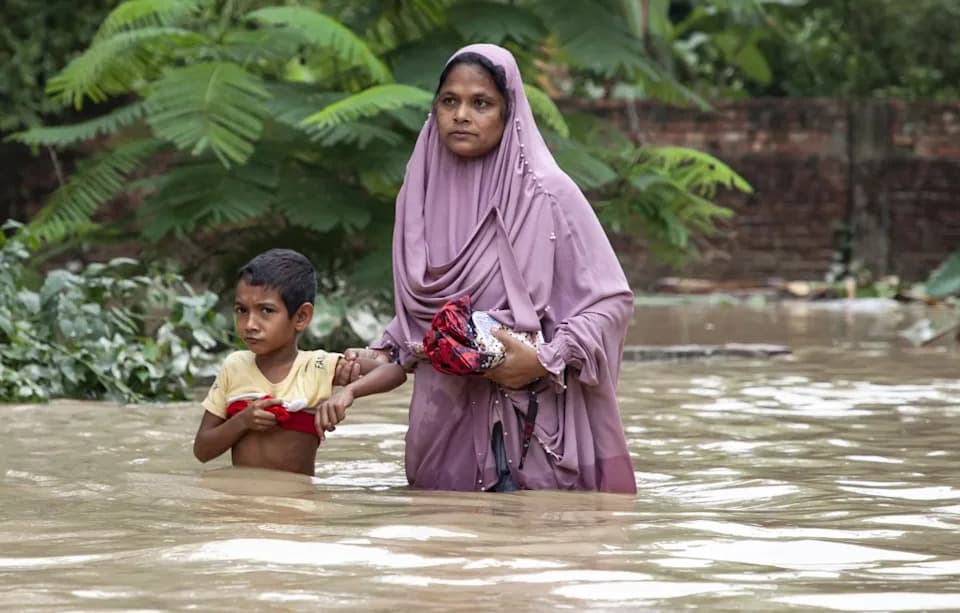
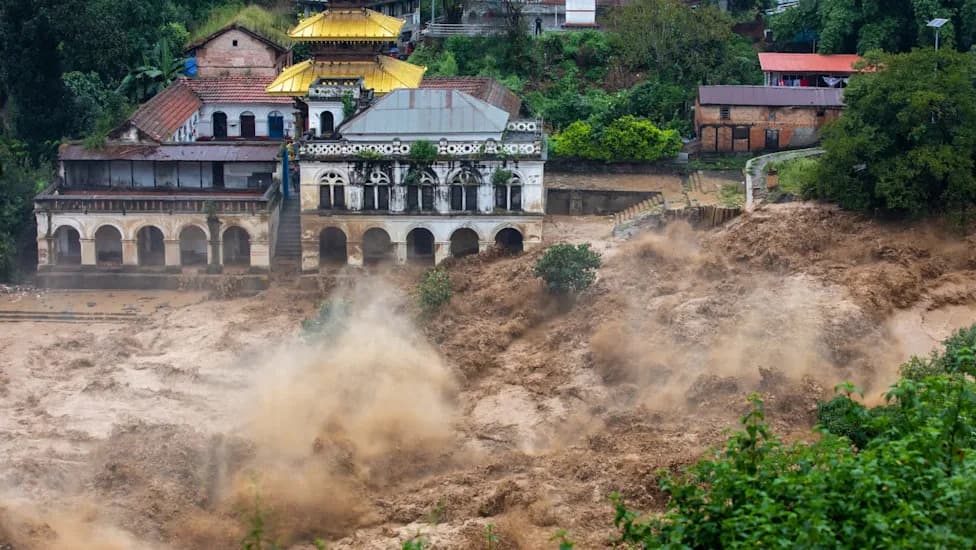
Natural disasters, from floods and wildfires to tornadoes and lethal heat waves, increasingly dominate the headlines. Major disasters—those causing at least $1 billion in damages—have risen 83% worldwide since the 1990s. Last year there were 23 such events, producing 276 deaths and $115 billion in damages. Scientists warn there is no safe corner: every region of the country is being affected.
A Local, Democratic Response
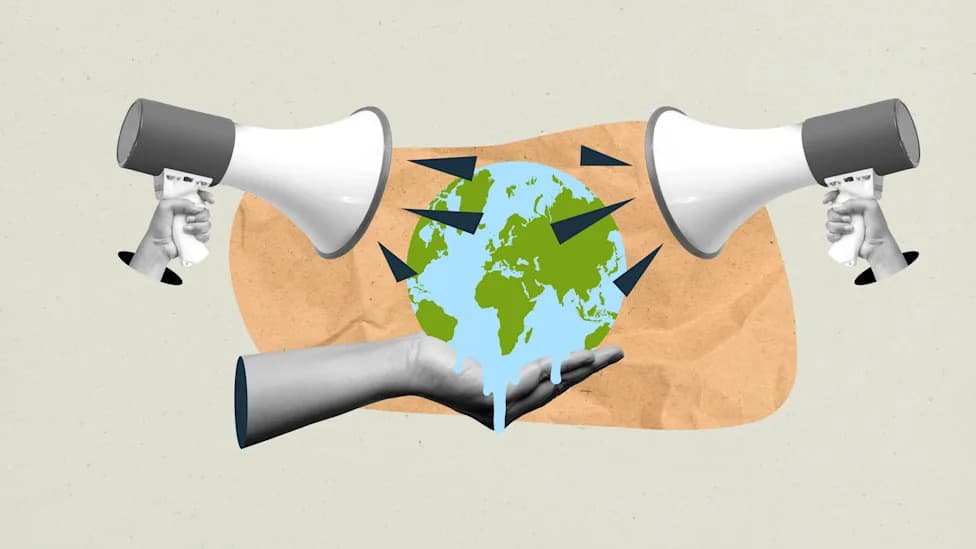
As recently as four years ago, relatively few people believed individual action could influence climate change. This year, nearly 60% of Americans say they feel a personal duty to act. That shift fuels growing interest in "climate democracy," a model in which communities engage citizens in preventing, preparing for, and recovering from weather-related disasters. The idea is simple: everyone with an environmental footprint—everyone—has a stake and a voice.
One organization advancing this approach is the Climate Democracy Initiative, a Colorado-based nonprofit where I serve as an unpaid senior fellow. The initiative frames climate change not only as an environmental emergency but also as a governance challenge, particularly for small and rural communities with limited resources. These communities must manage extreme weather while facing uncertain federal support and a patchwork of programs.
"Our goal is flipping that script to put local voices first," says Natalie Montecino, the initiative's executive director. "People are contending with rapid environmental, economic, and political changes without the resources, representation, or institutional trust needed to respond. We work with communities to build the civic leadership and decision-making power to shape that response themselves, rather than wait on systems that too often leave them behind."
Put plainly, environmental stewardship and climate action should be exercises in local democracy. Local measures are essential because federal assistance, while important, is not always dependable: climate change is a long-term challenge, and elected priorities shift over time. Some federal leaders have also downplayed or questioned climate science, contributing to inconsistent national direction since the U.S. first joined international climate efforts in 1992.
Federal Responsibility and Practical Steps
The federal government still bears responsibility. For more than a century it has encouraged carbon-intensive energy through subsidies. Direct federal subsidies to fossil fuels are roughly $35 billion a year, but when social and environmental damages are included, the true annual cost to Americans is estimated at about $725 billion. That gap reflects substantial implicit public support for a mature industry.
Policy must also confront legacy risks. In the 20th century, the favored response to flood and storm risk was engineering—dams, levees and seawalls. Today, nearly 17,000 high-hazard dams and at least 24,000 miles of levees span the United States. Most were designed for roughly 50 years of dependable operation; their average age now exceeds 60 years and few were built to withstand today's more intense storms.
Repair and reinforcement costs are large: an estimated $165 billion to fix deficient dams, $70 billion to repair levees, and roughly $416 billion by 2040 to harden coasts against sea-level rise. Often, nonstructural, nature-based mitigation—restoring wetlands, preserving floodplains, and using green infrastructure—would be safer and more cost-effective.
Prioritize Disaster Avoidance and Faster Aid
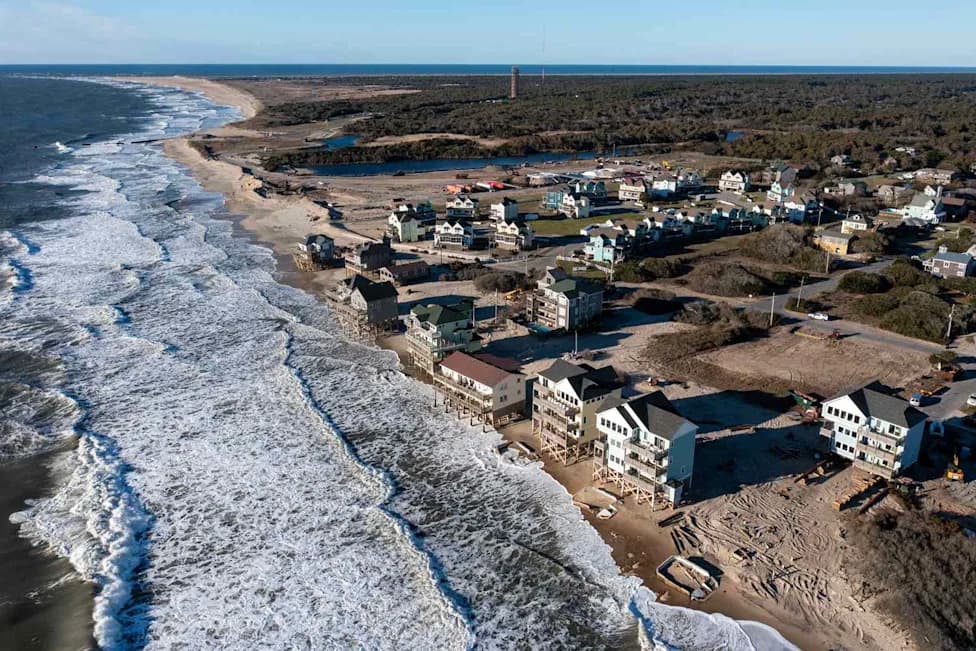
Federal policy should emphasize disaster avoidance. In 2024–2025 more Americans moved out of disaster-prone areas than moved into them. FEMA should prioritize "managed retreat" strategies that allow communities to retain residents and property-tax revenues while reducing long-term risk. Evidence suggests federal buyouts of at-risk homes can return up to $6 for every $1 spent, compared with about $2 from levees or flood-proofing. Yet FEMA currently takes at least five years on average to complete buyouts—too slow for many homeowners.
Access to federal assistance must improve. More than 30 federal agencies offer programs that can help communities prepare for and recover from disasters, but there is no unified point of entry. FEMA should create a single access point and an integrated application portal for federal aid, and it should preapprove local response and recovery plans so post-disaster assistance can be deployed more quickly.
Communities Must Lead, But Not Alone
Ultimately, local people must take charge of their futures: reduce fossil-energy pollution, restore beneficial ecosystems, relocate from identified disaster zones when necessary, and plan well ahead for the next severe weather event. Acting collectively at the local level—through building codes, land-use planning, zoning, managed retreat, clean energy adoption, and nature-based hazard mitigation—can reduce risk now and build resilience for the long term.
About the author: William S. Becker is a former U.S. Department of Energy central regional director who administered energy efficiency and renewable energy programs. He served as special assistant to the department's assistant secretary for energy efficiency and renewable energy and is executive director of the Presidential Climate Action Project.
Help us improve.