The Ministry for Regulation's review recommends legalising plug-in "balcony" solar to reduce costs and delays for residential installations. It noted only about 3%–4% of homes currently have solar, while rooftop systems typically cost NZ$8,500–NZ$11,500. Plug-in kits—usually one or two panels with a microinverter—can supply roughly 7%–15% of daily household electricity and are cheaper and portable. The move could expand access to renters and apartment residents, though technical and safety rules will be needed before rollout.
Government Review Urges Legalising Plug-In ‘Balcony’ Solar to Cut Costs and Speed Installations in New Zealand
Photo Credit: iStock
New Zealand may soon make residential solar power more accessible to a wider range of households, including renters and apartment dwellers, after a review by the Ministry for Regulation recommended legalising small plug-in "balcony" solar systems.
What the Review Found
Launched in May, the review aimed to eliminate "unnecessary cost, delay, and complexity for households" seeking to install residential solar. It concluded that legalising plug-in solar and removing non-essential regulatory obstacles could lower costs, shorten waiting times and increase uptake across the country.
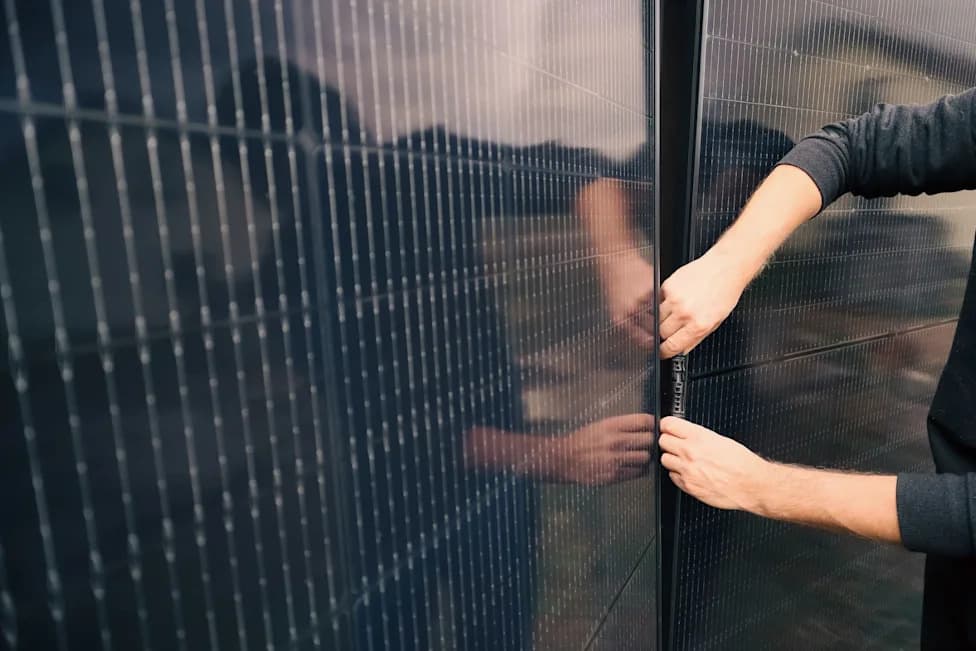
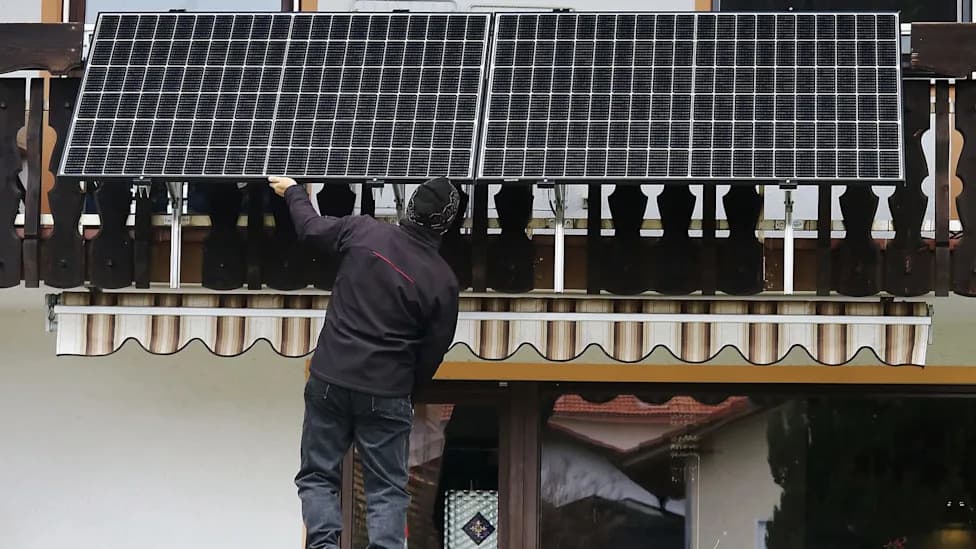
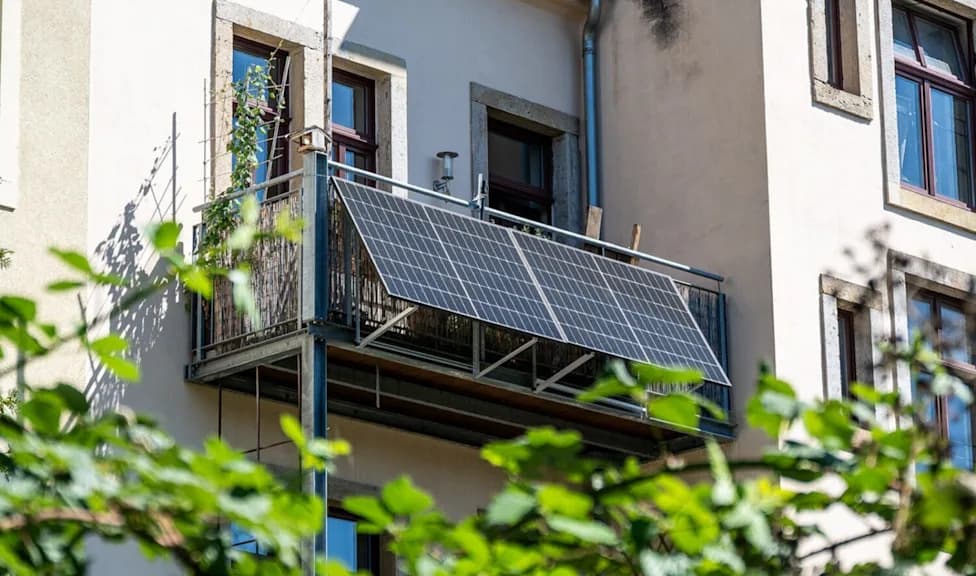
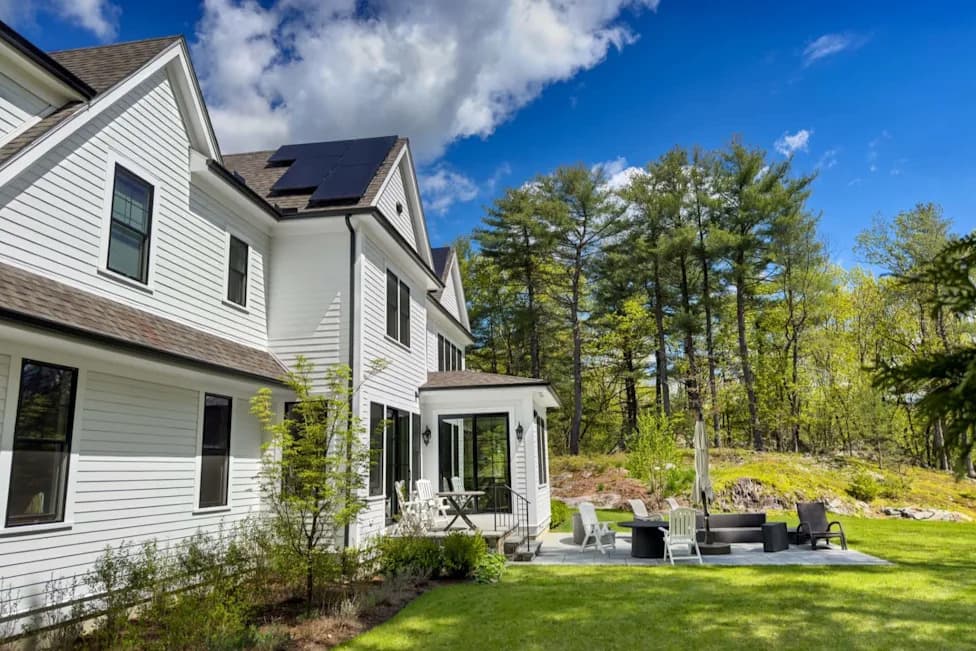
The review highlighted that only about 3%–4% of New Zealand homes currently have rooftop photovoltaic systems, with typical installations costing roughly NZ$8,500–NZ$11,500 and recouping their cost over time. By contrast, plug-in kits — usually one or two panels paired with a microinverter — are smaller, much cheaper and can be sited on balconies, terraces, gardens or roofs, then connected to a home via a standard power outlet.
Potential Impact and Performance
Data cited by Rewiring Aotearoa indicate a standard plug-in setup might supply around 7%–15% of an average New Zealand household's daily electricity needs. While not intended to replace grid electricity, these systems can meaningfully reduce household consumption from the grid and cut energy bills over time.
Regulation Minister David Seymour said the systems "can be used by renters and people living in apartments who can't access traditional rooftop solar."
Seymour added: "If they're good enough for Germany and the U.K., they're good enough for us."
Why It Matters
For many households the main barriers to adopting solar are upfront cost, paperwork and whether a dwelling can physically support rooftop panels. Plug-in solar offers a lower-cost, portable alternative that typically does not require specialist installation or permanent alterations — making solar an option for tenants and those in multi-unit buildings.
The review's recommendations would require follow-up work to set technical and safety standards, grid-connection rules and consumer protections before plug-in systems become widely legal and available. If implemented, the changes could make small-scale solar markedly easier and faster for more New Zealand households to access.
Help us improve.