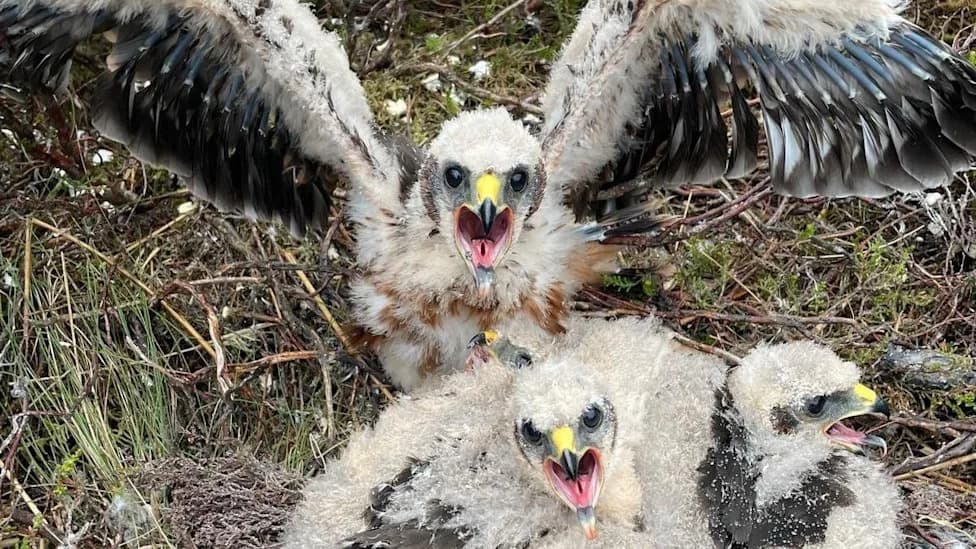
NatureScot has refused a licence for this year’s guga hunt on Sula Sgeir after updated population modelling indicated that taking either 2,000 or 500 juvenile gannets could have an adverse effect. The decision was welcomed by conservation and animal-welfare groups and criticised by defenders who call the hunt a centuries-old Gaelic tradition. The hunt is paused in recent years due to avian influenza; 485 birds were taken in 2025. NatureScot said the refusal does not prevent future licence applications.
NatureScot Refuses Licence For Centuries-Old Guga Hunt On Sula Sgeir
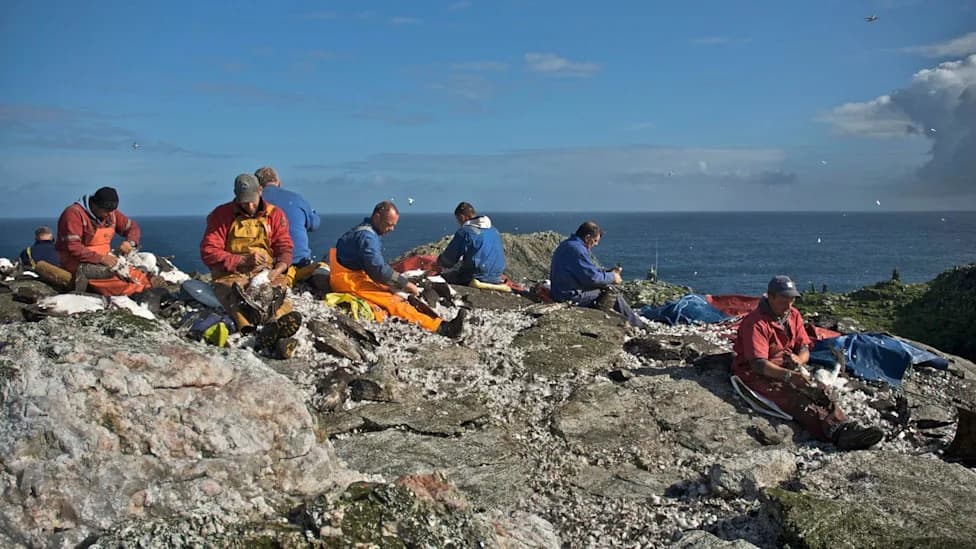
A team of hunters go to the small island of Sula Sgeir to kill young gannets [BBC]
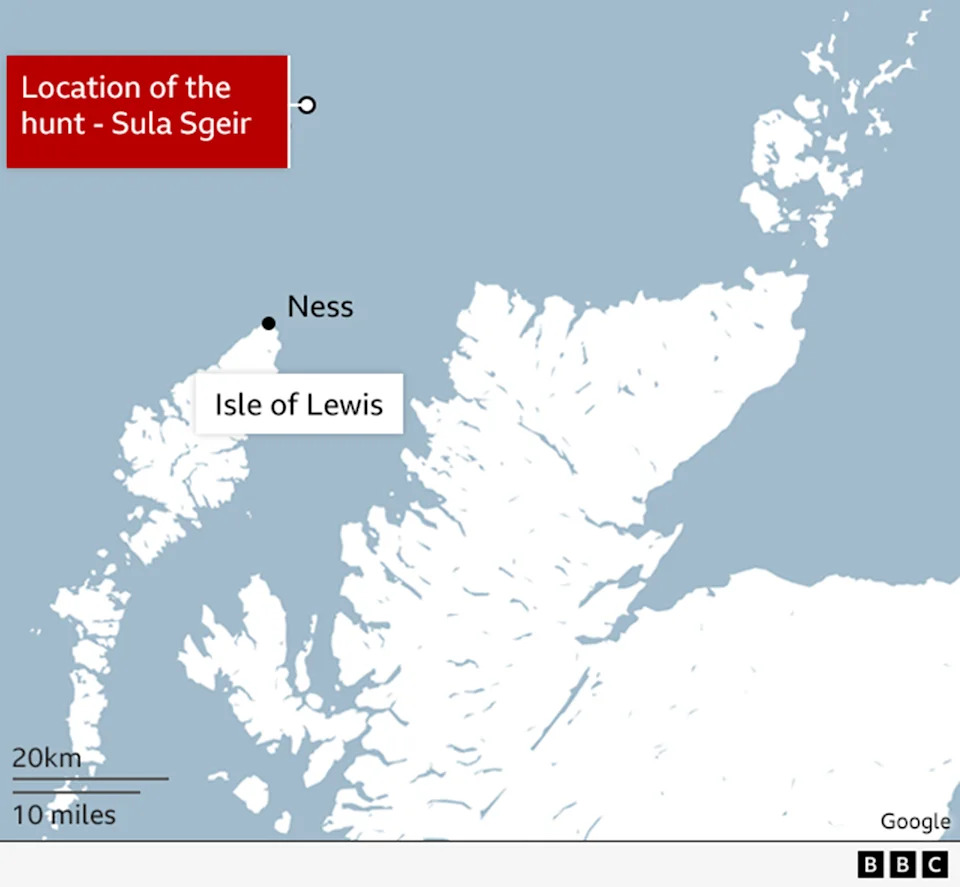
NatureScot has refused a licence for this year’s traditional guga hunt on Sula Sgeir, a remote rocky island in the Outer Hebrides where generations of islanders have harvested young gannets for food. The decision followed updated population modelling and a recommendation from NatureScot officials that the proposed harvest could have an adverse effect on the gannet population.
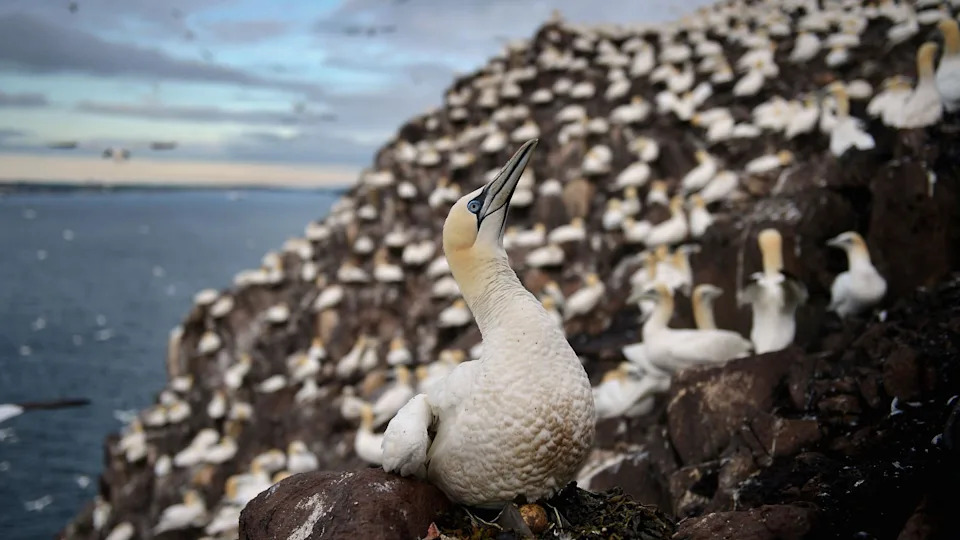
Gannet chicks on Bass Rock were once hunted and sold in a market in Edinburgh [Getty Images]
What Happened
The Men of Ness — a small group from the north of Lewis who traditionally make the annual trip to Sula Sgeir in August — had applied to take either 2,000 juvenile gannets or a reduced quota of 500. NatureScot commissioned updated population modelling and concluded that both levels could potentially cause harm to the local population, and its board voted to refuse the application for this year.
[BBC]
Historical And Cultural Context
Supporters describe the guga hunt as a centuries-old Gaelic tradition dating back to Viking times. The harvested chicks, known locally as guga, are killed, cured and brought back to Lewis where they have been a culturally important food source and symbol of communal identity. Agnes Rennie, chair of the local community land trust, said the practice helps keep Gaelic customs alive and reinforces community bonds.

Campaigners outside the Scottish parliament during a protest in January [Getty Images]
Conservation And Welfare Concerns
Conservation and animal-welfare organisations welcomed the refusal. Protect the Wild called the decision a “victory for compassion, for science and for common sense,” and OneKind said it was relieved that thousands of young birds would be spared. The Scottish Seabird Centre noted that many gannet colonies have suffered declines and are still recovering from the impacts of avian influenza.
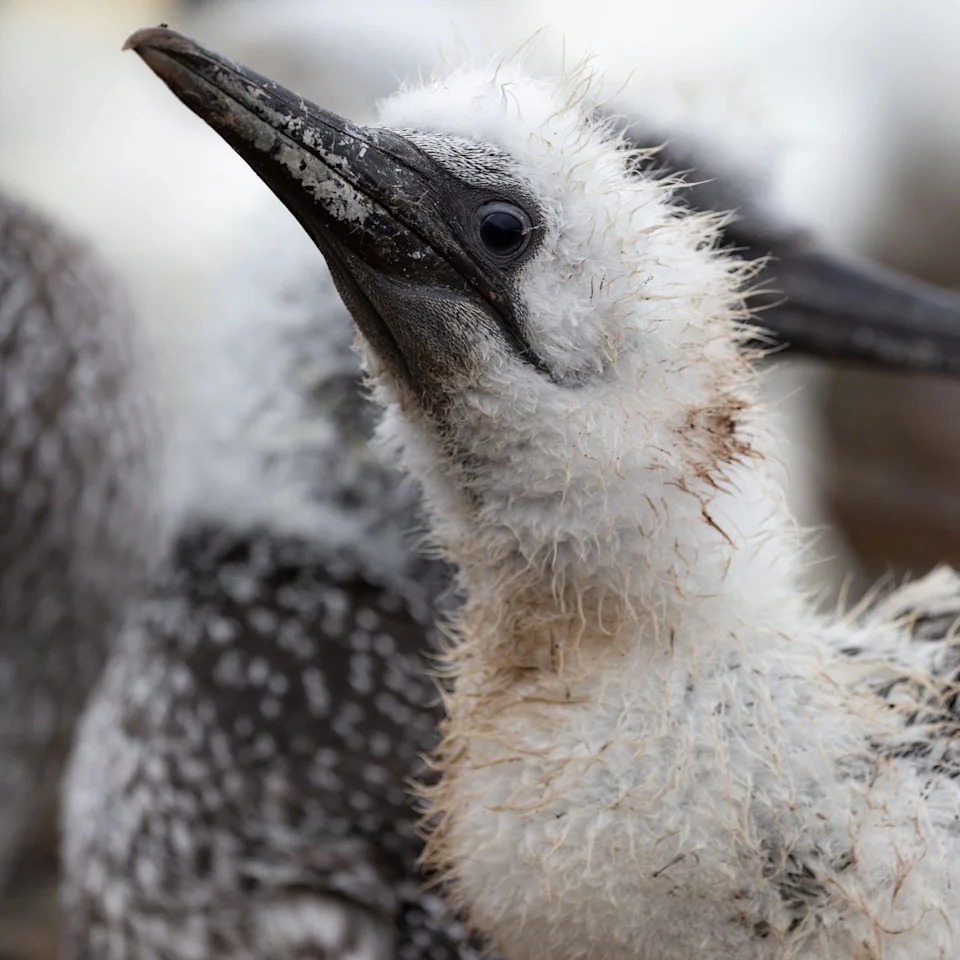
Opponents say the hunt involves a "brutal death" for chicks [Getty Images]
NatureScot said: "We have used the latest information available and commissioned an updated population model to help predict the effect of the guga hunt on the gannet population. As a result, we have concluded an adverse impact is possible at both requested and reduced limits."
How The Hunt Is Carried Out
Harvesting methods remain largely traditional: hunters use long poles fitted with a noose to snare chicks in their nests, kill them (typically by a blow to the head), then gut, pluck and salt the birds on Sula Sgeir before returning them to Lewis. Opponents argue the method is cruel and no longer necessary for subsistence.
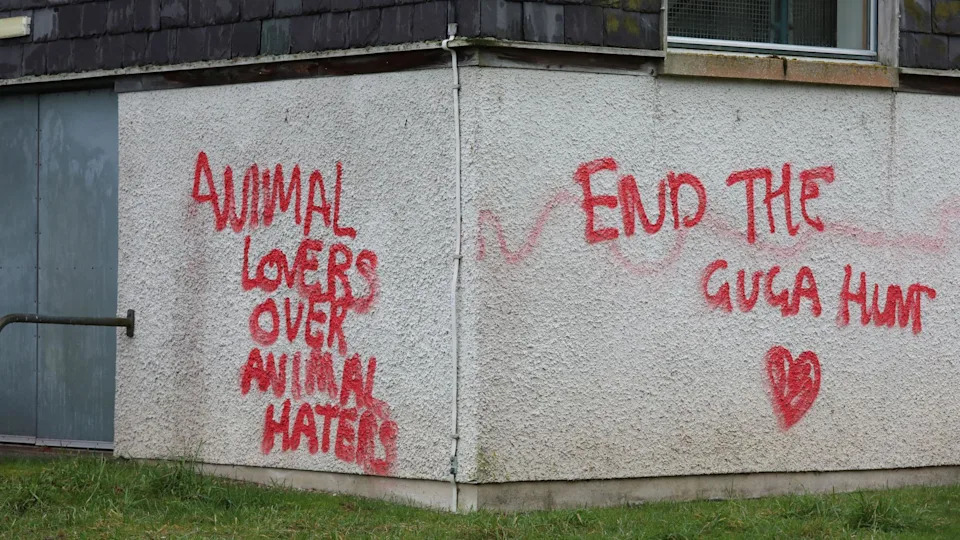
NatureScot's premises in Inverness were vandlised earlier this year [Peter Jolly/Northpix]
Recent Interruptions, Protests And Numbers
The hunt did not take place in 2022–24 because of avian influenza concerns; 485 birds were taken in 2025. More than 106,000 people signed a petition urging a ban, and protests at NatureScot’s offices included graffiti and a rooftop demonstration, along with incidents of vandalism that some community members say crossed the line into harassment.
Legal Status And Next Steps
Sula Sgeir and nearby North Rona are designated Special Protection Areas owing to their seabird colonies, which include gannets and fulmars. The guga hunt is recognised in UK law under the Wildlife and Countryside Act 1981, and NatureScot emphasised that refusing this year’s licence does not prevent the Men of Ness from applying again in future seasons. The agency said it must make decisions based on current scientific evidence and legal obligations.
Local Response: Defenders of the tradition criticised some campaign tactics as bullying and warned that the community feels unfairly targeted, while conservationists argue the priority must be the long-term recovery and welfare of seabird populations.
Help us improve.