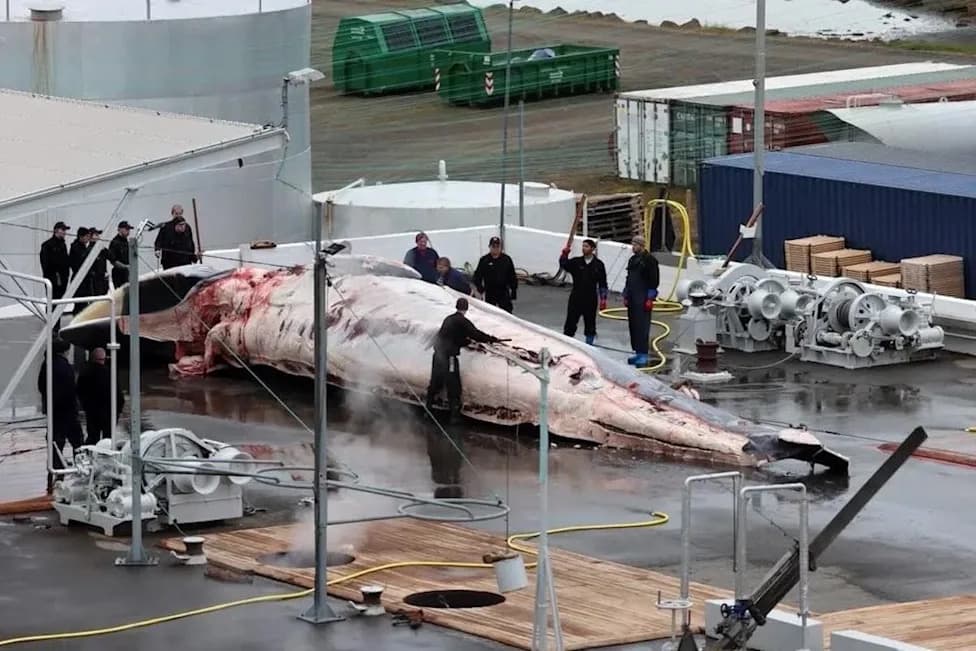
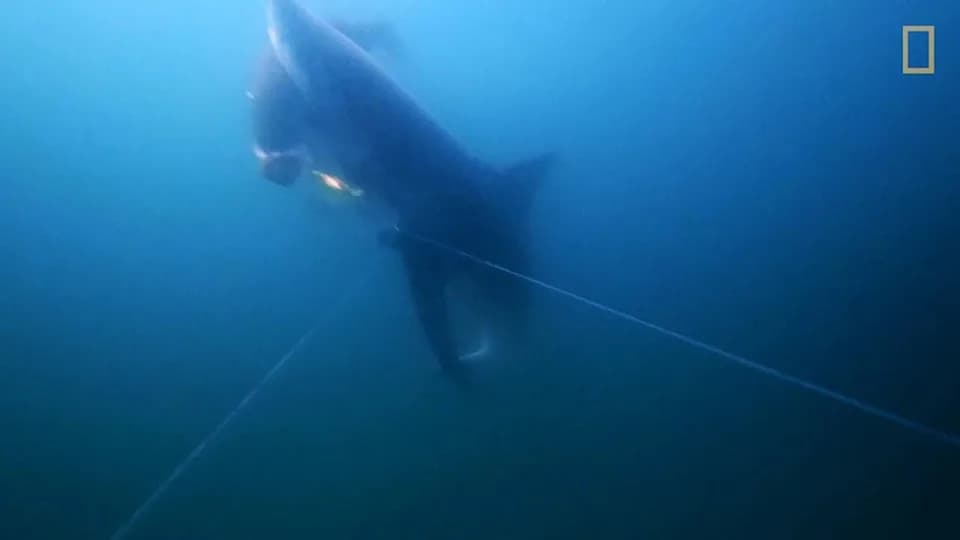
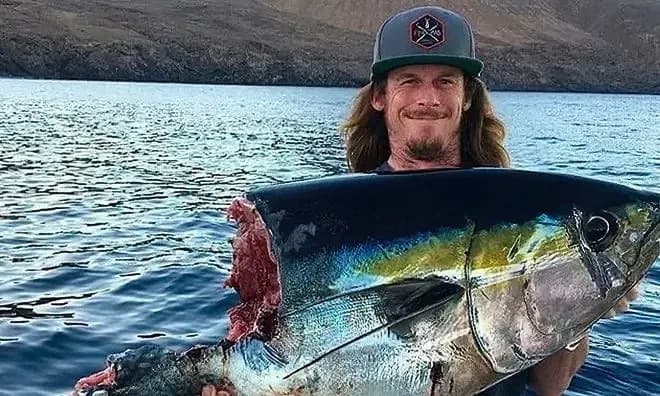
Avannaata municipality in western Greenland paused a plan to pay fishers 300 DKK (~$45) per Greenland shark heart to remove 1,000 sharks after the national government questioned its legality. Fishers say sharks damage halibut gear and reduce catches, reporting thousands of lost hooks and large daily losses. Conservationists warn Greenland sharks mature around 150 years, can live 400+ years, and are listed Vulnerable by the IUCN; they recommend non‑lethal measures like gear compensation, acoustic deterrents, and better bycatch rules.
Greenland Pauses Controversial Plan To Cull 1,000 Centuries‑Old Sharks Amid Legal And Conservation Concerns
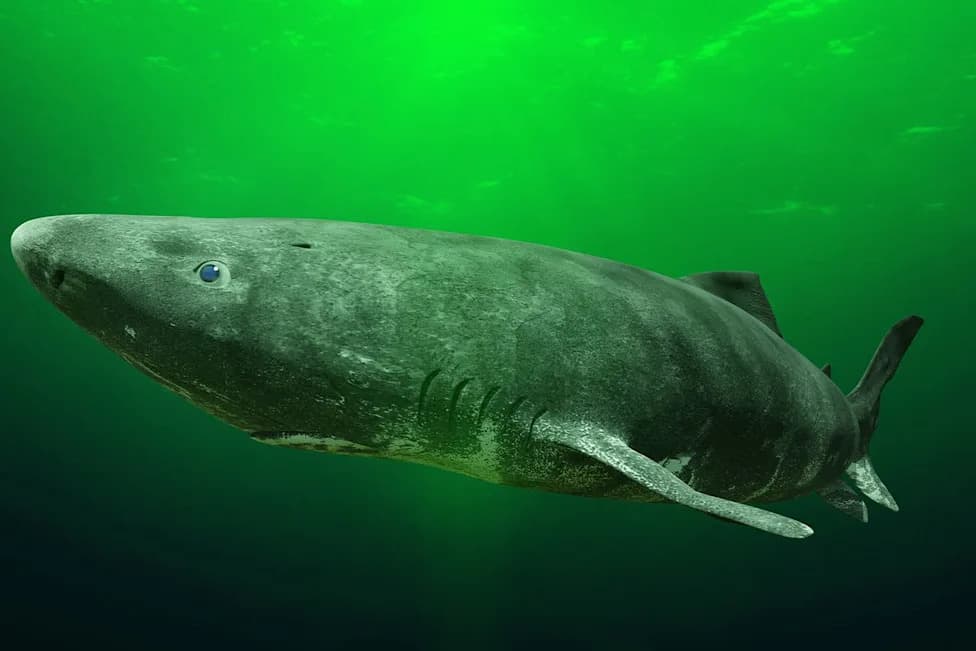
A Greenland sharkCredit: Getty
Greenland’s plan to pay fishers for killing 1,000 Greenland sharks—an exceptionally long‑lived species—has been paused after national authorities raised legal questions. The proposal, approved earlier this year by the Avannaata municipal council, would have offered 300 Danish kroner (about $45) per shark heart and been funded from a pest‑control budget, according to the conservation group Oceans North Kalaallit Nunaat (ONKN) and reporting in The Guardian.
What Happened
The Avannaata municipality voted to introduce the bounty in February but shelved the scheme after Greenland’s national government queried whether it was lawful. Municipal officials have not ruled out reviving the plan in the future.
Why Fishers Backed the Measure
Local fishers say Greenland sharks interfere with commercial catches and damage expensive halibut gear. Henrik Jensen, a halibut fisher in Ilulissat, told reporters he lost roughly 6,000 hooks this year and that shark damage can cost him up to 30,000 kroner (about $4,500) in a single day. Avannaata Mayor Lars Erik Gabrielsen framed the bounty as a measure to protect livelihoods:
"We need to safeguard the income of fishers and the catch so that we can continue to eat the foods that we have relied on for generations."
Conservation And Scientific Concerns
Scientists and conservationists warn a large‑scale cull could have serious ecological consequences. Greenland sharks are among the ocean’s longest‑lived vertebrates: they are believed to reach sexual maturity at around 150 years and can live for more than 400 years. The International Union for Conservation of Nature (IUCN) listed the species as Vulnerable in 2020.
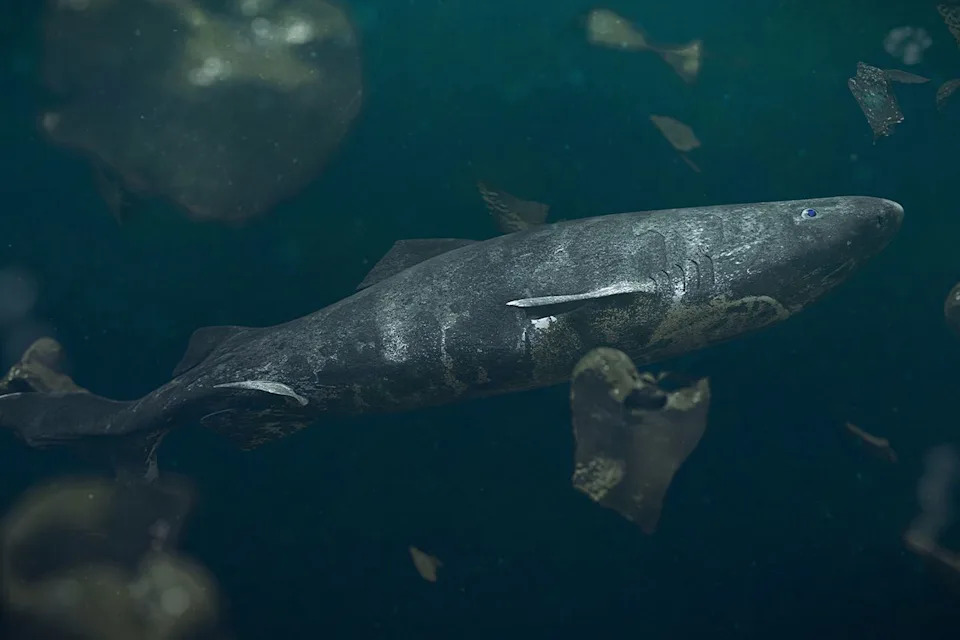
A Greenland shark surrounded by plastic pollutionCredit: Getty
Marine conservationist Nick Dulvy of Simon Fraser University emphasized the species’ sensitivity:
"They are probably—biologically—the most sensitive species in the ocean to overfishing."
ONKN also cautions that killing large numbers of sharks may not solve the problem: despite their slow swimming speed, Greenland sharks can roam more than 2,000 kilometres (about 1,240 miles) a year, meaning newcomers could quickly replace removed individuals. ONKN warned that discarded carcasses might even attract more sharks to fishing areas. Greenland shark researcher Julius Nielsen called a bounty of this scale "a risky path."
Proposed Alternatives
Conservation groups and fisheries advisers have suggested non‑lethal and structural solutions: compensating fishers for lost gear; piloting acoustic shark deterrents; enforcing bycatch‑friendly gear requirements; and improving bycatch reporting. ONKN director Jenseeraq Poulsen said the shark has become the visible target for deeper structural problems—such as fleet size, tight quotas, and rising operating costs—that drive conflict between fishing communities and conservation goals.
Outlook
The immediate bounty plan appears paused, but tensions between fishers and conservationists remain. Any future policy will need to balance local livelihoods with the species’ slow recovery rate and international conservation commitments.
Sources: ONKN statement; reporting in The Guardian; IUCN assessment (2020).
Help us improve.