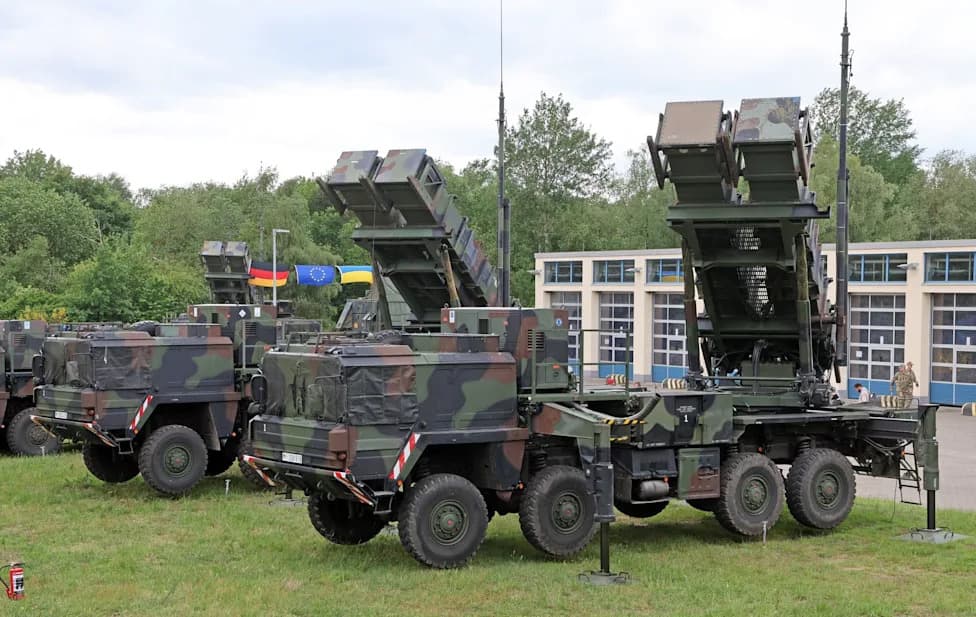
Russian missile strikes have exposed Kyiv after Patriot batteries reportedly ran out of interceptors, killing at least 18 civilians. Donald Trump reportedly promised Ukraine a licence to build Patriot systems at NATO, then denied any agreement, citing proliferation risks. With US stocks reportedly depleted by recent conflicts, Ukraine is pressing for a European alternative; the UK, France and Germany have signalled willingness to help. The Burnham government now faces a strategic choice: back a new European air-defence programme or risk leaving Europe more exposed.
Burnham's Defence Moment: Can Britain Lead A European Alternative To The Patriot System?
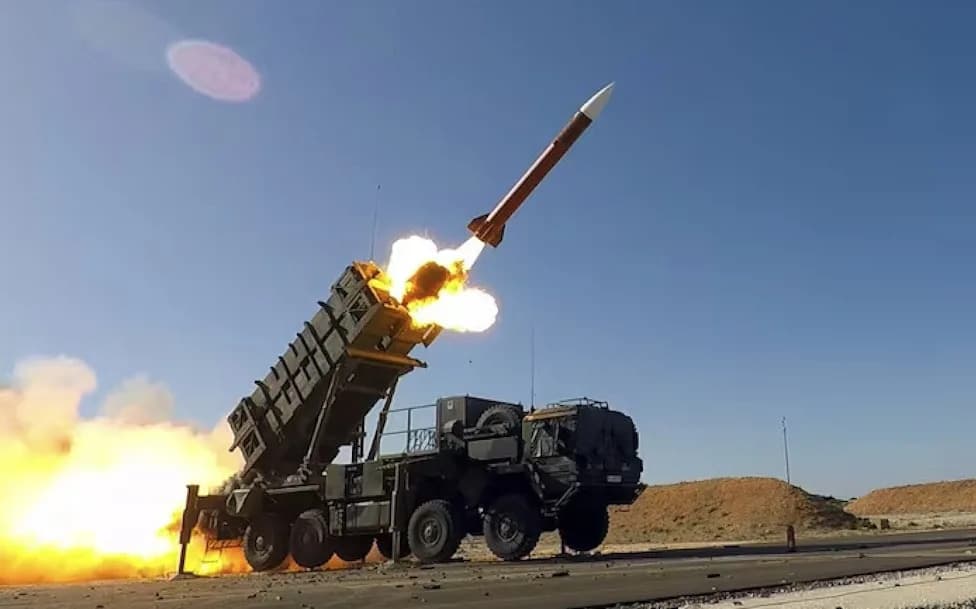
The US stockpile of Patriot missiles may have fallen below 1,000
Russian strikes on Kyiv over the past week have been brutal and relentless, leaving at least 18 civilians dead. Reports say only one of 27 incoming ballistic missiles was intercepted on Saturday after US-made Patriot batteries in the Ukrainian capital exhausted their interceptors.
What compounds President Volodymyr Zelensky's frustration is an apparent U-turn by the US. At last month’s NATO summit in Istanbul, Donald Trump reportedly pledged that Ukraine would be licensed to build its own Patriot systems. Talks with Lockheed Martin and preparation of a production workshop followed, with Ukraine seeking only the technical blueprints.
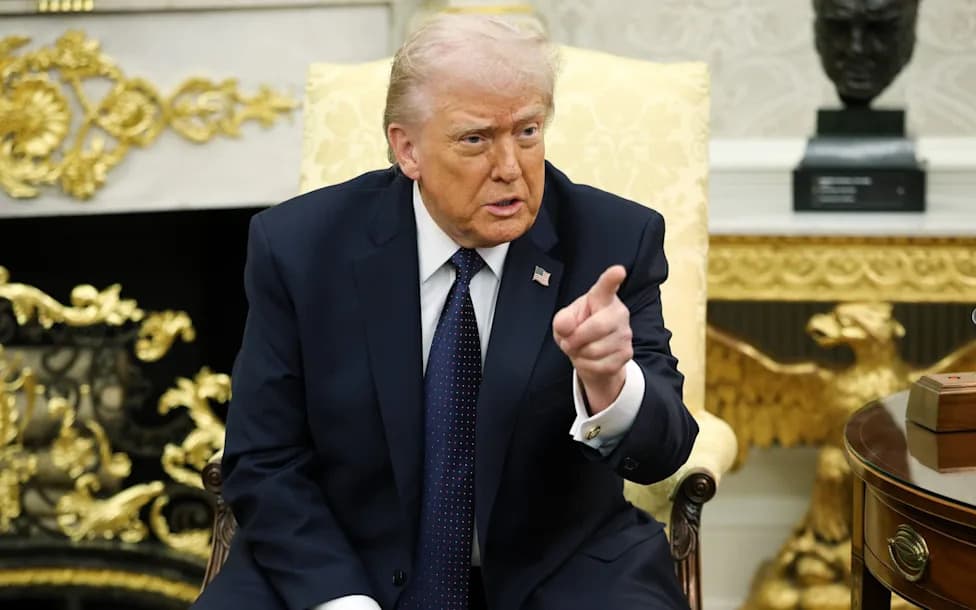
On Friday Mr Trump denied any such agreement and warned: "People that you give that technology, they can some day turn on you."
One factor behind Washington’s apparent retreat is pressure on US stocks: the conflict with Iran has reportedly consumed large numbers of Patriot interceptors, with some estimates placing remaining US inventories at around 1,000 missiles. The Pentagon is likely prioritising those stocks for US forces.
Why a European Alternative Matters
Given such uncertainty from a key ally, Mr Zelensky is understandably searching for alternatives to the Patriot system, which is now more than 40 years old. In June, Sir Keir Starmer told Mr Zelensky that the UK — alongside France and Germany — would help develop a European anti-ballistic missile capability.
Mr Zelensky argued that "we need it and the UK needs it," pointing to the wider threat Russia poses not only to Ukraine but to NATO — including British waters and airspace.
What This Means For the Burnham Government
Andy Burnham has pledged continuity of support for Ukraine, while new ministers Wes Streeting (Defence Secretary) and John Healey (Chancellor) have committed to strengthening the Armed Forces and the defence-industrial base. The central question now is whether the Burnham government will follow through on a concrete programme to develop a next-generation European air-defence system in partnership with allies and Ukraine.
The risks are real: in the event of a major Russian strike, London and other European capitals could be as exposed as Kyiv. But the potential gains are substantial. Ukraine has a distinctive recent record of rapidly developing and fielding new weapons and air-defence solutions in months rather than years — a capability that could accelerate a European project.
Taking on this challenge would be a serious test for the new prime minister. Britain has the industrial capacity to rebuild and modernise its defences, but political leadership and long-term commitment will be required to turn a collaborative European design into an operational system.
What to watch next: whether the UK government commits funding, industrial coordination and a diplomatic push to convert the political promise into a funded programme with clear timelines.
Help us improve.