President Trump is investing political capital in grand projects across Washington while a strategic deadlock with Iran continues and many Americans face economic strain. A CNN/SSRS poll three months before the midterms found 73% of adults believe he has not focused enough on the country's biggest problems. Ongoing Republican infighting, a proposed $1.8 billion fund for some January 6 defendants, and mixed messaging on the war and the economy are complicating his agenda. The midterms will test whether he can shift priorities and regain broader support.
Trump’s Monumental Mix: Grand Projects, Iran Stalemate and Voters’ Growing Frustration
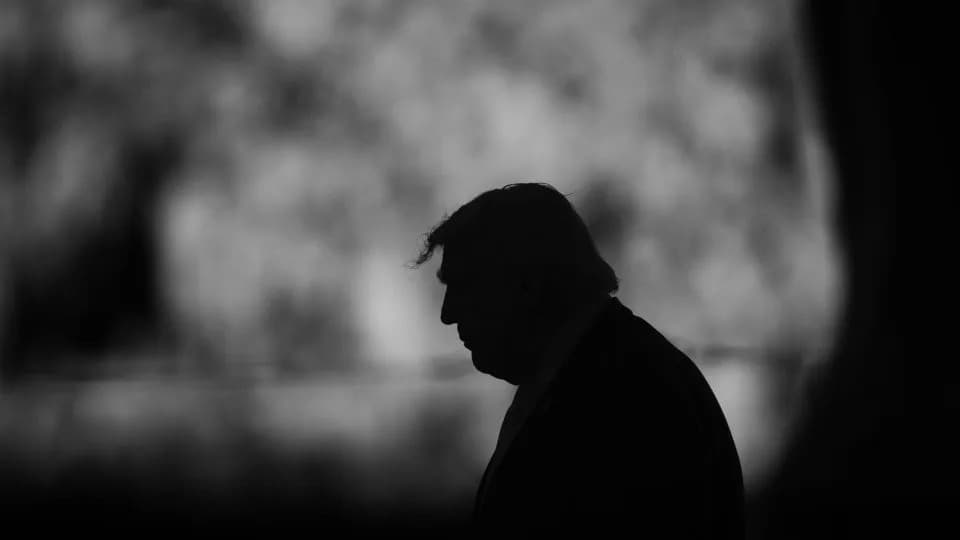
President Donald Trump on July 19, 2026, in East Rutherford, New Jersey. - Ryan Pierse/FIFA/Getty Images
President Donald Trump is reshaping how he will be remembered—remodeling Washington’s monuments, reworking official buildings and lawns, and curating honors at his golf clubs. But as a frenetic summer unfolds, his intended legacy risks being overshadowed by a strategic stalemate with Iran, widespread economic strain for many Americans, and deepening Republican divisions driven by his personal priorities.
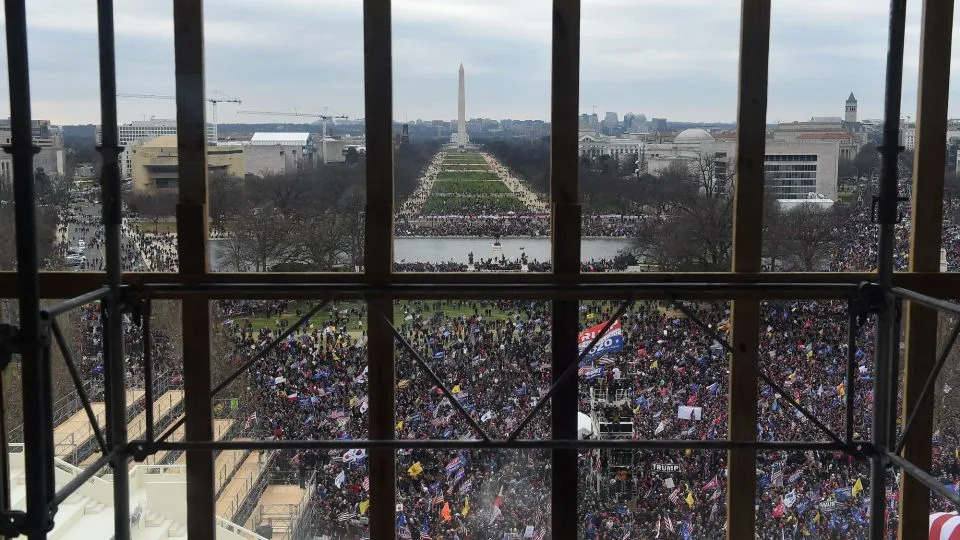
Supporters of US President Donald Trump are seen from behind scaffolding as they riot outside the US Capitol's Rotunda on January 6, 2021, in Washington, DC. Trump is seeking funds to compensate — among others — supporters convicted after the January 6, 2021, Capitol riot. - Olivier Douliery/AFP/Getty Images
Grave Decisions and Minor Feuds
This unusual political split finds the president juggling some of the gravest responsibilities of the office—an increasingly unsettled situation in the Middle East—and some of the most trivial public squabbles, including a dispute over the Lincoln Memorial Reflecting Pool. That mix helps explain recent polling, conducted roughly three months before the midterm elections, showing weak approval and rising dissatisfaction on the issues voters say matter most.
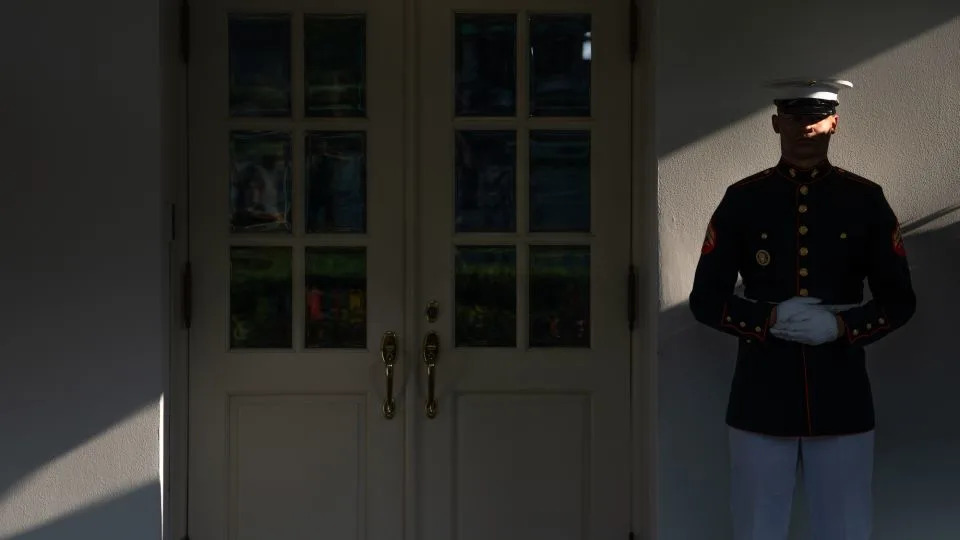
A US Marine stands outside the West Wing of the White House in Washington, DC, on July 20, 2026. - Aaron Schwartz/Bloomberg/Getty Images
By many conventional measures, this presidency appears to be in trouble. The usual remedy would be a tighter focus on voters’ priorities. But Trump often pursues a different route: intensifying controversies, staging fights that energize his base, and making sudden reversals.
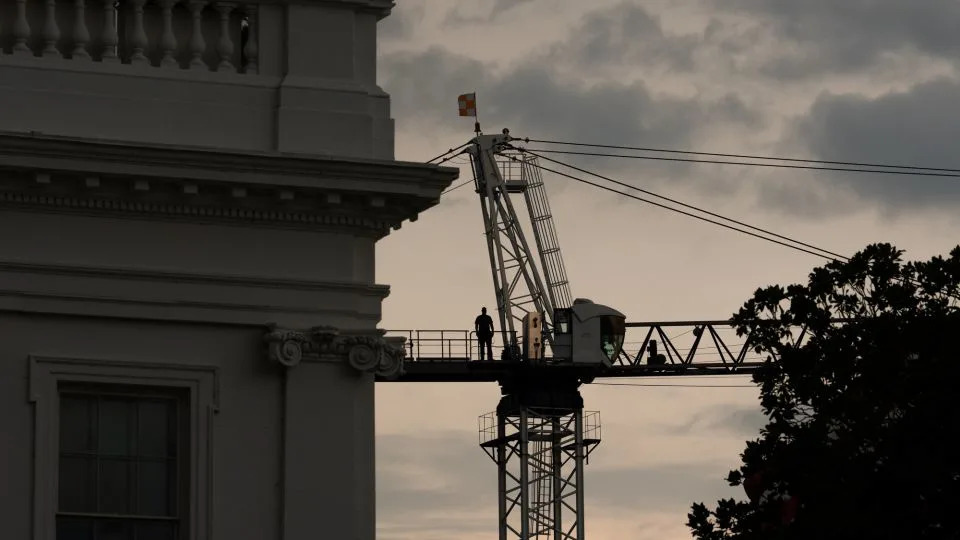
A worker on a construction crane outside the White House on July 28, 2026. - Aaron Schwartz/Bloomberg/Getty Images
Tense Weekend, Mixed Signals
Over a turbulent weekend, the president swung between consequential and farcical issues. He issued an extreme warning about Iran—promising "terror, strength, and power not seen since World War II"—then in the same social-media message signaled that U.S. military action was on hold. He later told reporters he had listened to Gulf allies and that talks on a deal would begin soon. That pattern—harsh threats followed by abrupt reversals—has marked a conflict Mr. Trump once predicted would be short but which is now entering its sixth month with no clear end.
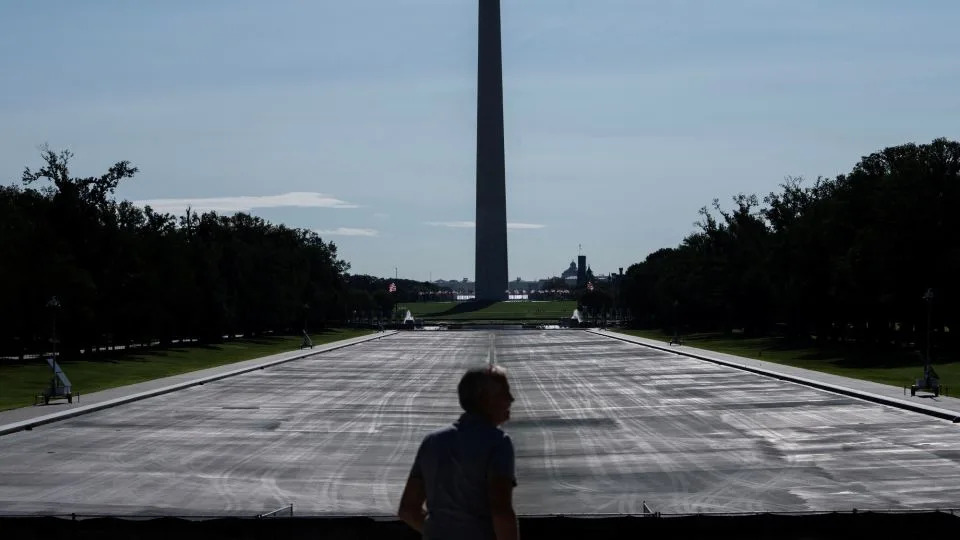
A visitor looks at ongoing construction at the drained Lincoln Memorial Reflecting Pool, following renovations and Independence Day celebrations, in Washington, DC, on July 30, 2026. - Nathan Howard/Reuters
Personal Projects Versus National Priorities
At the same time, the president is pursuing intensely personal initiatives that do not align with the top concerns of many voters. He insists on creating a $1.8 billion fund that would compensate, among others, supporters convicted after the January 6, 2021 Capitol riot—a proposal that has imperiled the confirmation of his attorney general nominee, Todd Blanche. He is also clashing with Senate Republicans over an ambitious elections overhaul that currently lacks the votes to pass.

President Donald Trump departs aboard Marine One after a Cabinet meeting at Camp David on July 31, 2026. - Nathan Howard/Reuters
He has criticized local prosecutors after a D.C. U.S. attorney, Jeanine Pirro, dropped a case involving damage to the Reflecting Pool—drained after renovation work tied to the president’s changes. Meanwhile, larger White House projects are advancing: a ballroom is being rebuilt where the East Wing once stood after its controversial demolition; plans for a South Lawn helipad are moving forward; and the administration has announced a broad re-turfing of the capital’s parks. "We're changing all the grass in all the parks," the president said. "Grass is like human beings. Grass has a life also."
Political Messaging and Public Perception
Some supporters praise the effort to beautify Washington. House Judiciary Committee Chairman Rep. Jim Jordan told CNN that Mr. Trump is focused on "making America great and making Washington beautiful again." But Democrats are framing a counter-narrative of neglect: they argue the administration is failing to address the war, rising costs, and everyday economic worries.
Sen. Mark Kelly summarized the criticism on CBS: "He says one thing, he does another," referring to the president’s mixed signals on the conflict.
Many Americans are feeling the squeeze: rising rents and higher costs for gas and groceries are fuelling perceptions that the administration is out of touch with ordinary struggles.
Polling And The Political Stakes
Polling reflects those perceptions. A CNN/SSRS survey released last week found a record 73% of U.S. adults say the president has not paid enough attention to the nation’s most important problems; just 27% say he has the right priorities. About three-quarters of respondents said he is out of touch with everyday Americans.
That said, the administration does have accomplishments it could better highlight: the TrumpRx initiative aimed at lowering prescription drug costs, larger-than-expected tax refunds received by some taxpayers this year, and proposed "Trump Accounts" intended to give newborns a financial head start. Instead, Mr. Trump frequently dismisses critical polls as fake and has praised the administration’s record, saying it has achieved more in 18 months than many administrations do in eight years and calling it "the golden age of America."
The midterm elections are unlikely to erase deep political polarization. But they will answer a central question for Mr. Trump and his party: can he pivot to issues that matter to a broader swath of voters, or will his focus on personal projects and spectacle continue to define his presidency?
Help us improve.