The 2017 calving of iceberg A-68 exposed previously ice-covered seafloor in the Weddell Sea. During the Weddell Sea Expedition 2019, researchers filmed over 1,000 nests of the yellowfin notothenioid (Lindbergichthys nudifrons) and identified six geometric nesting patterns. Clustered nests (42%) likely provide protection from predators and bolster the case for designating the area a Marine Protected Area.
Hidden 'Fish City' Revealed Beneath Antarctic Ice — 1,000+ Nests in Six Geometric Patterns
(Weddell Sea Expedition 2019)
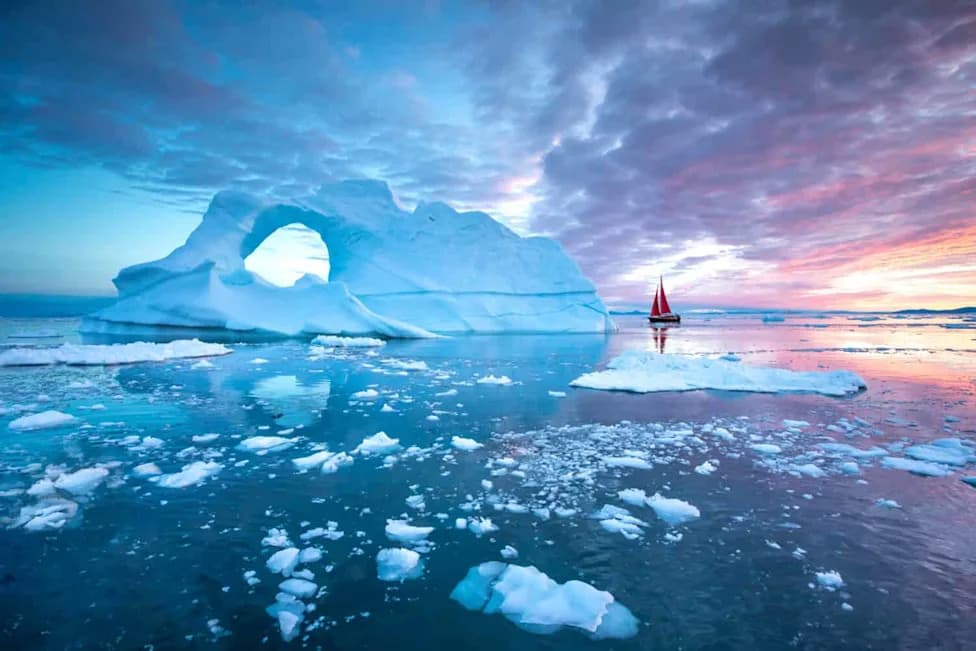
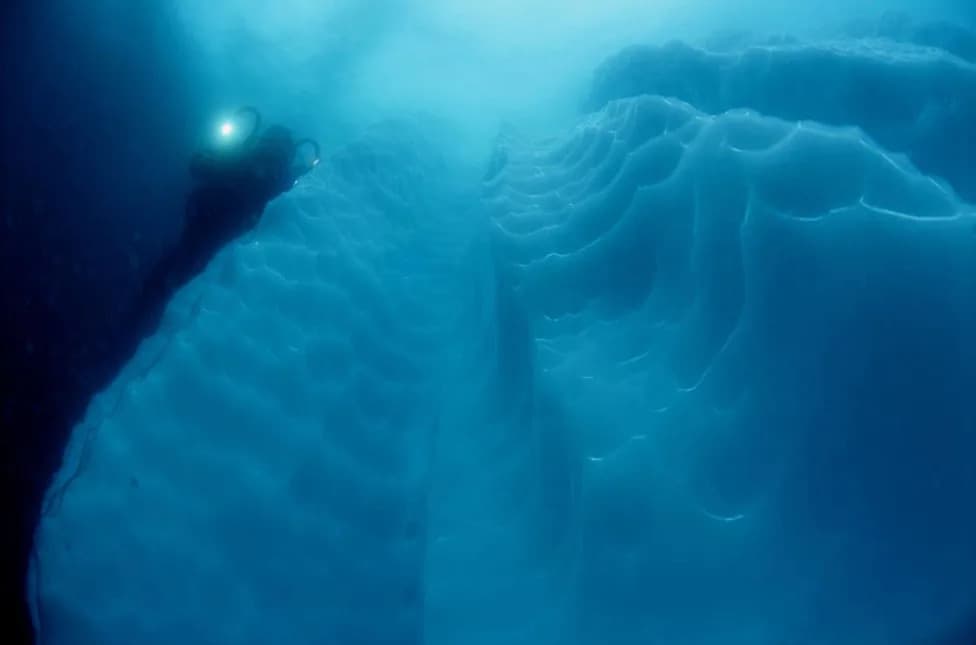
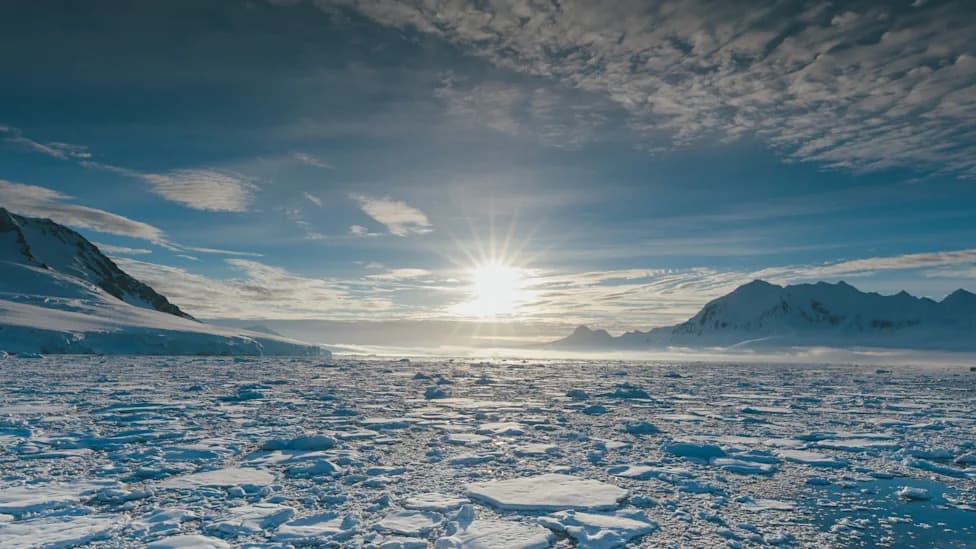
When the enormous iceberg A-68 broke away from the Larsen C ice shelf in 2017, it exposed a wide swath of seafloor in the Weddell Sea that had been sealed beneath the ice for decades. During the Weddell Sea Expedition 2019, UK-based researchers used a remotely operated vehicle to explore that newly opened habitat and made an extraordinary discovery.
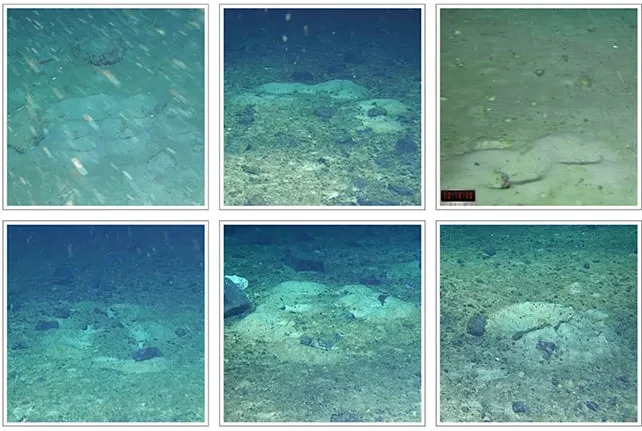
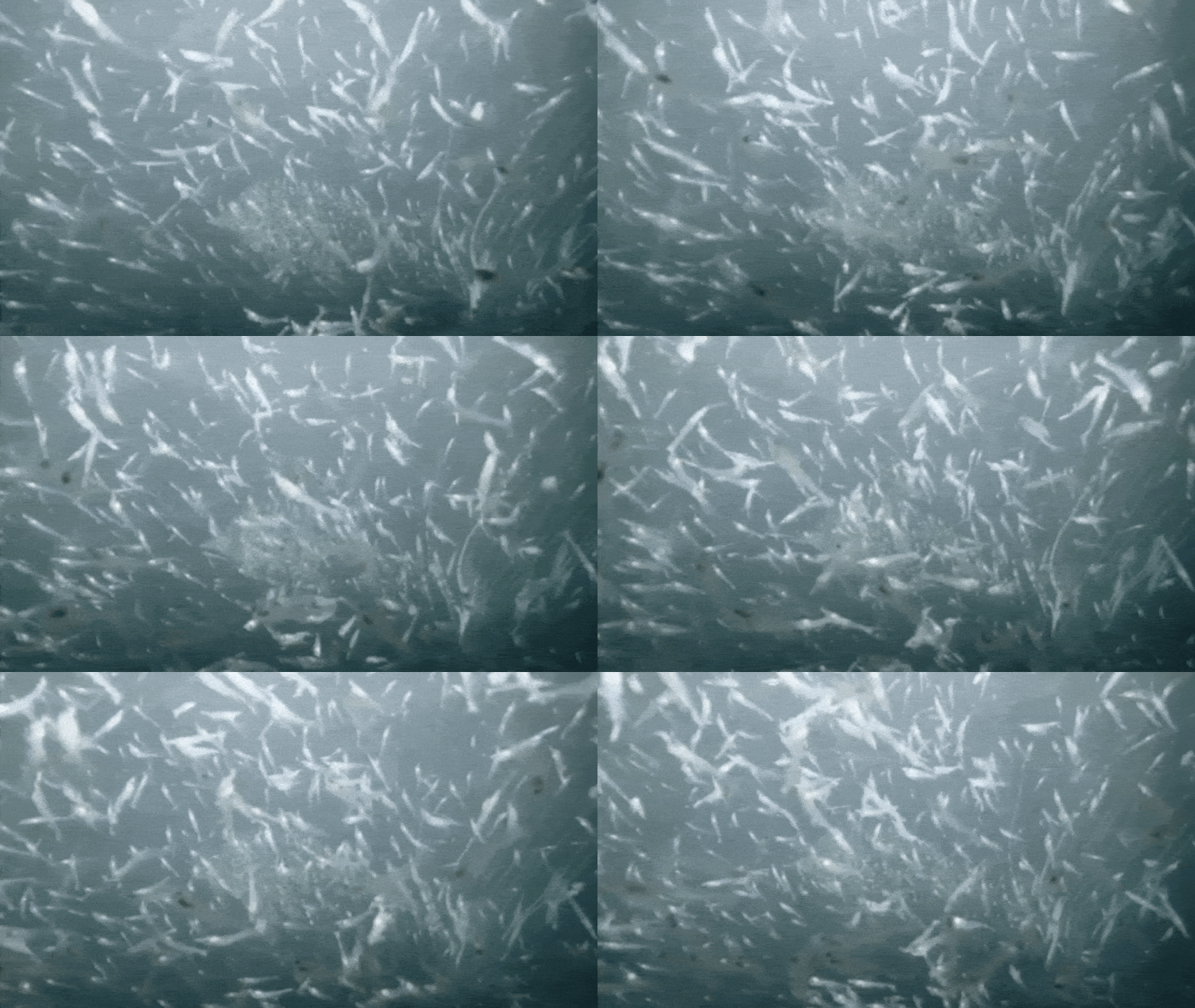
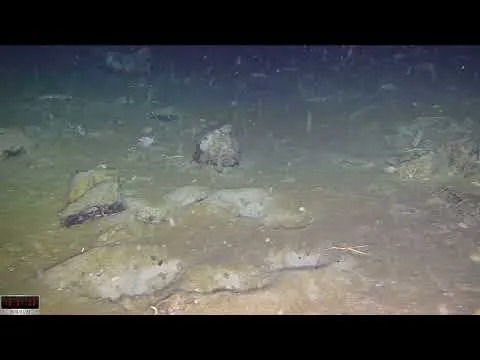
Some examples of the nests that were caught on camera. (Weddell Sea Expedition 2019)
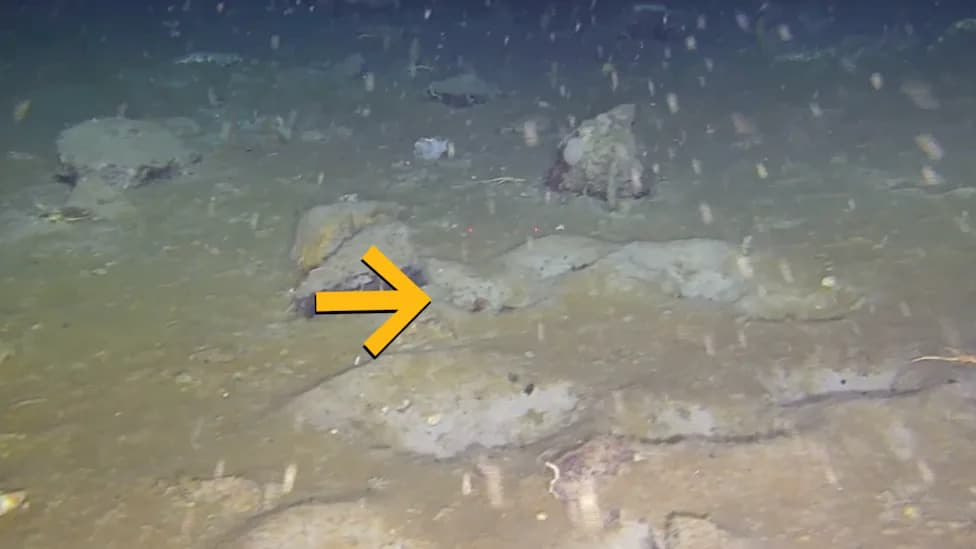
Using a submersible camera, the team filmed more than a thousand cleared patches in the plankton detritus on the seabed — interpreted as fish nests — belonging to the yellowfin notothenioid Lindbergichthys nudifrons. The nests were not randomly distributed: the researchers identified six distinct, geometric nesting patterns, with the most common arrangement forming tight clusters that accounted for 42% of observed nests.
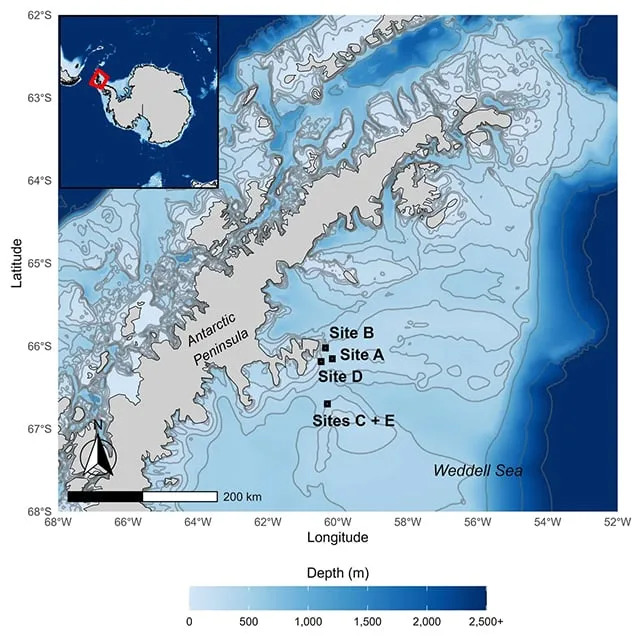
The sites where the nests were discovered. (Connelly et al.,Front. Mar. Sci.,, 2025)
What the Patterns Reveal
The authors propose that these structured arrangements are driven primarily by biotic interactions, especially predation pressure, rather than by abiotic factors such as temperature gradients. In the cluster pattern, nests sit close together — sometimes touching or overlapping — which appears to offer defensive advantages. Multiple males patrol cluster edges while a high density of nests may dilute or confuse predators' scent trails, reducing risk for centrally located eggs.
YouTube Thumbnail
"This study documents a large and widely dispersed nesting aggregation of the yellowfin notothenioid, Lindbergichthys nudifrons, in the western Weddell Sea... The most significant finding is the discovery of six distinct, geometric nesting patterns... primarily driven by biotic interactions." — Connelly et al., Frontiers in Marine Science (2025)
Biological and Conservation Significance
The yellowfin notie reaches up to 19.5 cm (7.7 in). Individual nests can contain several thousand eggs, which males guard for up to four months — making these breeding sites critical to local food webs. Because the species occupies a key role in the Antarctic benthic ecosystem, the discovery of large, structured breeding aggregations strengthens the argument to designate this portion of the Weddell Sea as a Marine Protected Area (MPA) or as Vulnerable Marine Ecosystems under international criteria.

Subscribe to ScienceAlert's free fact-checked newsletter
Although one objective of the 2019 expedition was to search for Sir Ernest Shackleton's ship Endurance (the wreck was eventually located in 2022 on a later mission), the widespread occurrence of these nests at all surveyed sites highlights how productive and vulnerable the newly exposed seabed can be.
The study documenting these findings was published in Frontiers in Marine Science (Connelly et al., 2025).
Help us improve.