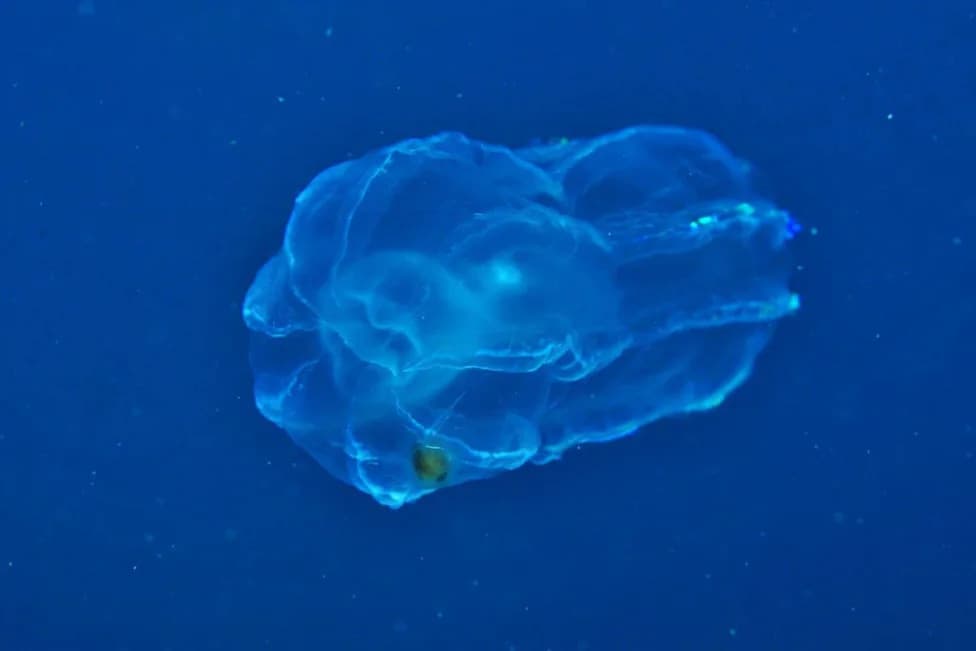
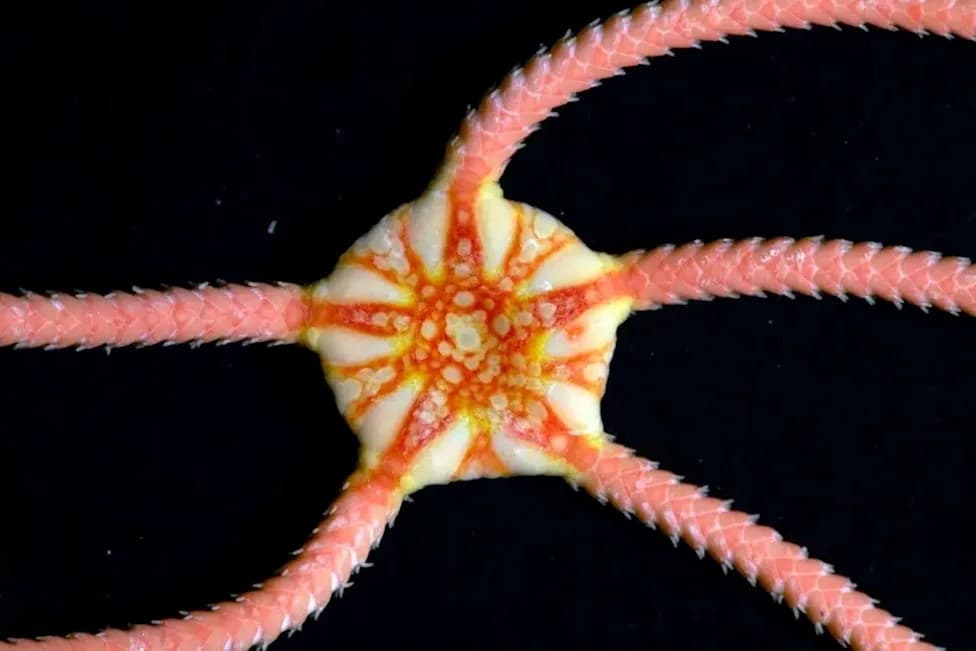
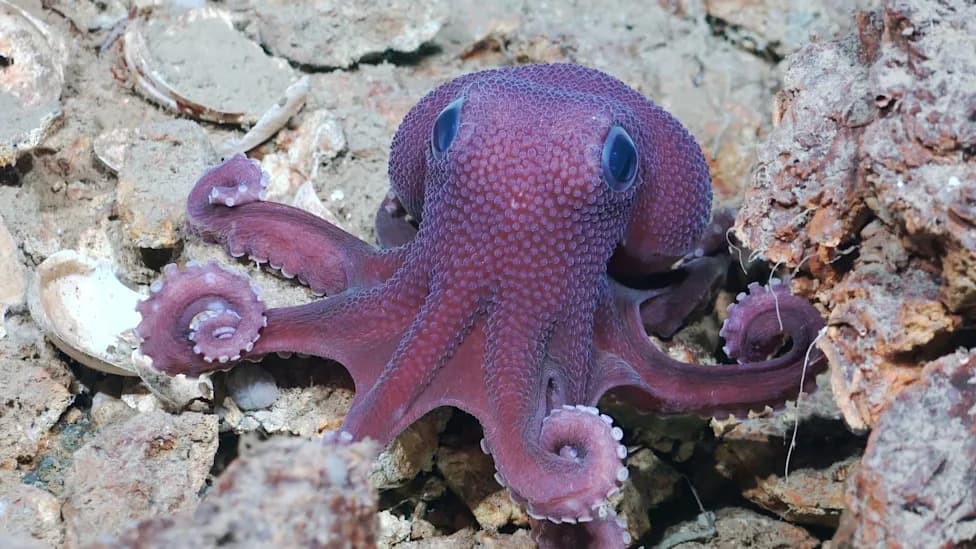
The International Species Discovery Workshop in Argentina documented 57 new marine species and five new genera from the South Atlantic during a two‑week effort. Twenty taxonomists and early‑career researchers used ROVs and integrated taxonomic methods to examine deep‑sea samples, registering their findings on the open‑access Ocean Census NOVA platform. Notable discoveries include a horned sea cucumber nicknamed "Loki"; overall tallies include 20 copepods, 22 echinoderms, 14 cnidarians and one scaphopod. A follow‑up expedition is planned for Feb–Mar 2027.
Scientists Identify 57 New Deep‑Sea Species in the South Atlantic — 'Loki' the Horned Sea Cucumber Among Finds
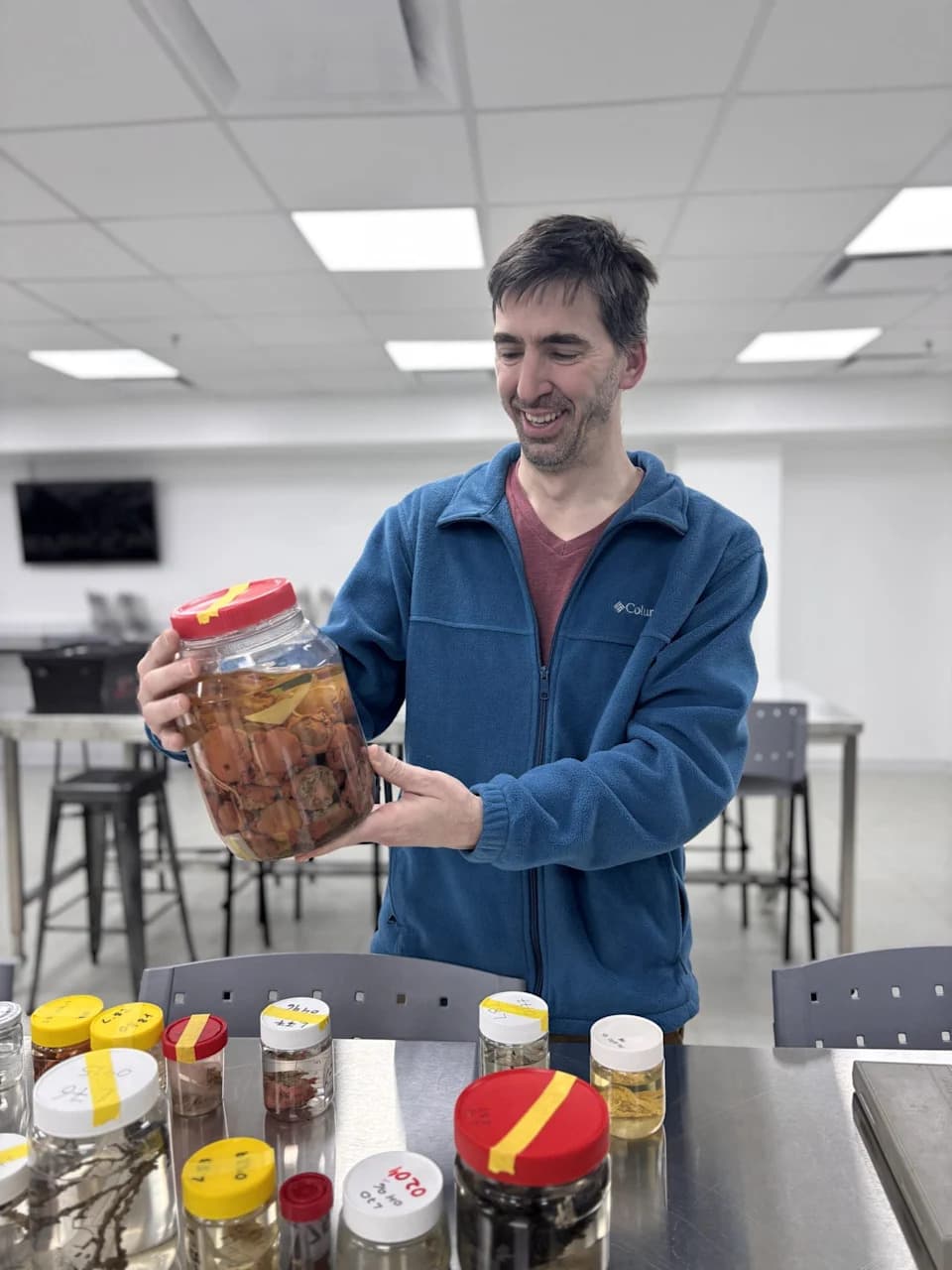
Principal Investigator Dr. Daniel Lauretta examines deep-sea marine specimens during the international Species Discovery Workshop.
A team of researchers working out of Argentina has identified 57 previously unknown marine species and five new genera from deep waters of the South Atlantic, shedding fresh light on an understudied but biologically rich region.
Rapid Discovery Through International Collaboration
The discoveries were made during a two‑week International Species Discovery Workshop held in July and organized by the Nippon Foundation–Nekton Ocean Census in partnership with the Schmidt Ocean Institute. Twenty taxonomists and early‑career researchers from across Latin America and Europe came together to examine deep‑sea biological samples collected from submarine canyons and nearby habitats.
Methods and Data Sharing
Researchers relied on remotely operated vehicles (ROVs) to collect specimens and applied integrated taxonomic techniques — combining morphology, imaging and genetic data — to accelerate identification. All confirmed discoveries were logged directly into Ocean Census NOVA, the open‑access database for newly discovered marine species, ensuring the findings are publicly available for researchers worldwide.
"Discovering 57 new species and five new genera in just two weeks demonstrates the speed and power of collaborative taxonomy," said Dr. Michelle Taylor, Head of Science at Ocean Census.
Notable Finds
Among the standout discoveries is a deep‑sea sea cucumber nicknamed "Loki," so called for its distinctive horn‑like appendages. The team also documented a wide range of other invertebrates, including newly identified copepods, deep‑sea corals, sea pens and crinoids.
- 20 new species of copepods
- 22 echinoderms (including sea cucumbers and crinoids)
- 14 cnidarians (such as octocorals, sea pens and stony corals)
- 1 scaphopod mollusk
- Five newly proposed genera spanning corals, sea cucumbers and crustaceans
"International cooperation in taxonomy is critical, especially in groups with few active specialists," said Dr. Daniel Lauretta of CONICET and the Museo Argentino de Ciencias Naturales, noting the workshop also boosted capacity for local early‑career taxonomists.
Looking Ahead
The success of the workshop has prompted plans for a follow‑up expedition scheduled for February–March 2027 to explore a different submarine canyon. Organizers say new samples collected on that mission could yield additional new species and genera.
By pairing cutting‑edge technology with international expertise and open data practices, the project advances both scientific knowledge of South Atlantic biodiversity and public access to discovery records via Ocean Census NOVA.
Help us improve.