After a 2017 iceberg calved from Larsen C, University of Essex researchers used the robotic submersible Lassie in January 2019 to film newly exposed seabed off the Antarctic Peninsula. They recorded 1,036 active fish nests in 277 groupings between 950 and 1,350 feet (≈290–410 m), with 72 nests containing larvae. Most nests are built and guarded by males of Lindbergichthys nudifrons, and the dense clustering—dominated by large clusters—suggests protective benefits beyond water temperature alone. The footage bolsters calls to extend protections for the Weddell Sea.
Hidden Metropolis Beneath Antarctic Ice: Robot Films 1,036 Fish Nests
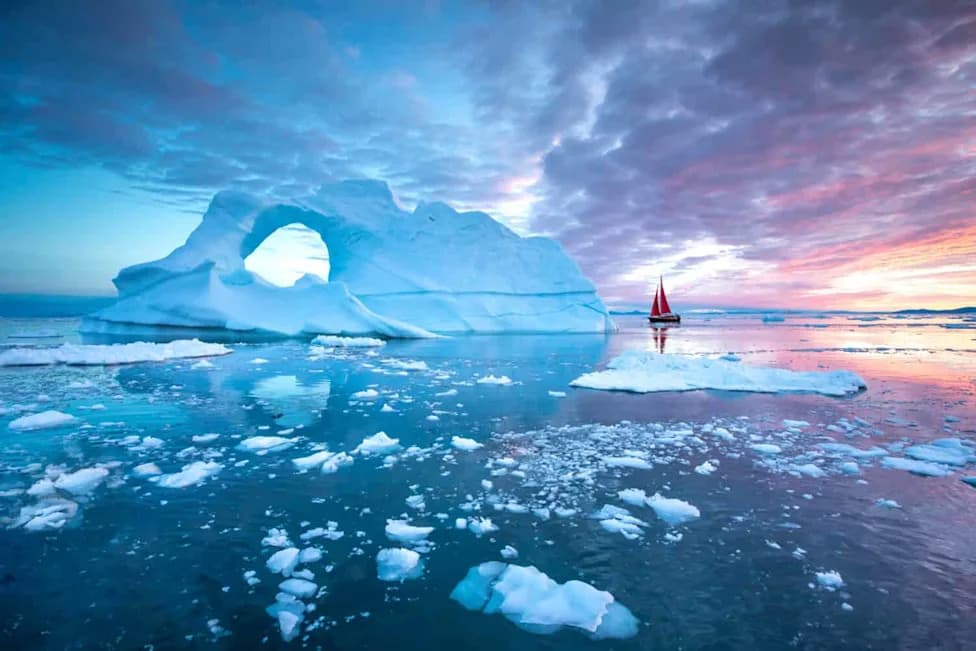
Little red sailboat cruising among floating icebergs in Disko Bay glacier during midnight sun season of polar summer. Ilulissat, Greenland.© Kertu/Shutterstock.com
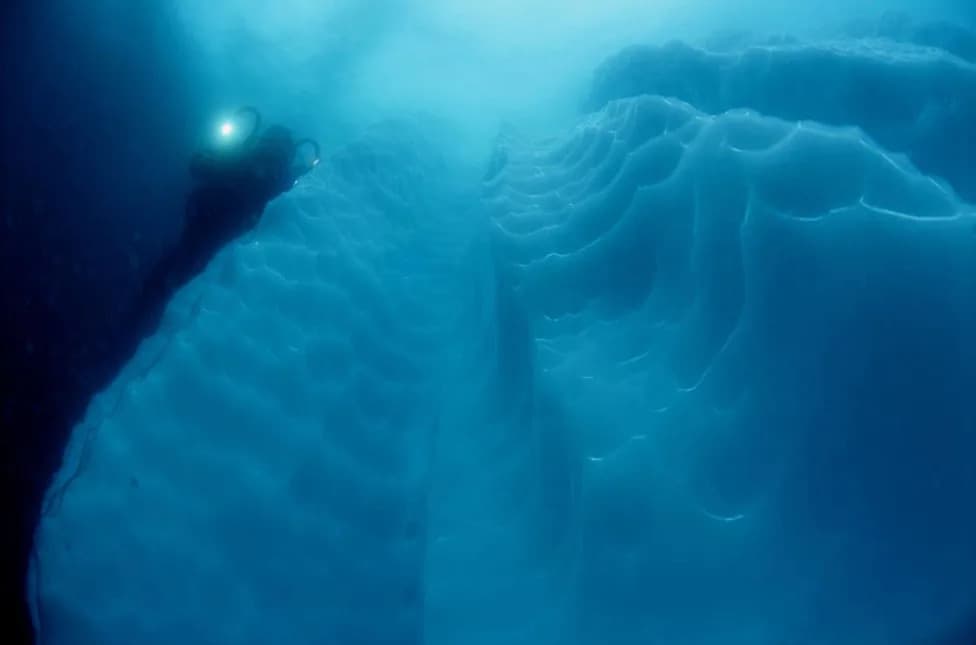
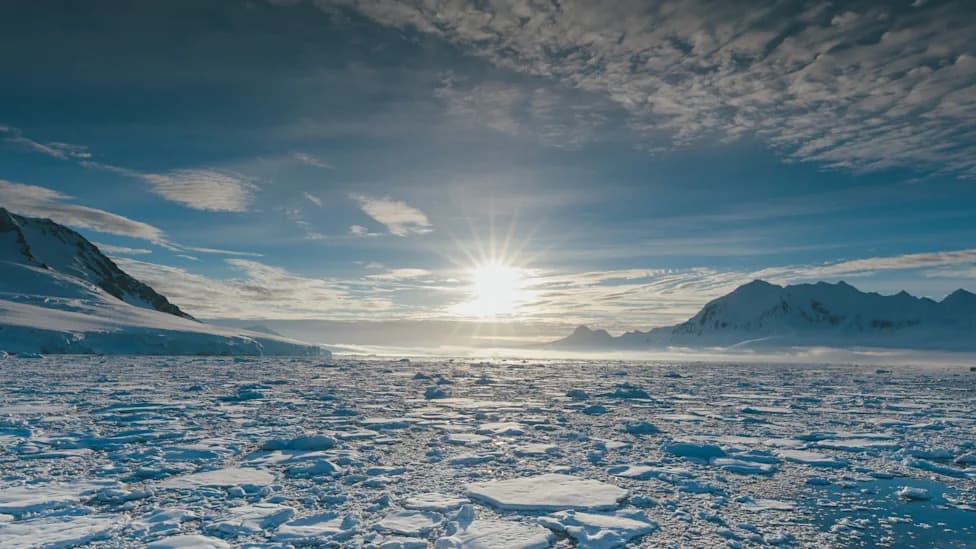
When a huge iceberg calved from the Larsen C ice shelf in 2017 and drifted away, it exposed a stretch of seafloor that had been locked under ice for decades. Seizing the rare opportunity, researchers from the University of Essex used a robotic submersible to explore the newly revealed seabed—and found a remarkable and unexpected underwater nursery.
In January 2019 the remotely operated vehicle Lassie, launched from the research vessel SA Agulhas II, completed five dives that produced more than a day of continuous video. Working between roughly 950 and 1,350 feet deep (about 290–410 meters) off the Antarctic Peninsula, the team recorded 1,036 active fish nests arranged in 277 distinct groupings; 72 of those nests contained visible fish larvae when the cameras passed.
©Faraz Kalmati/Shutterstock.com
Who Lives Here?
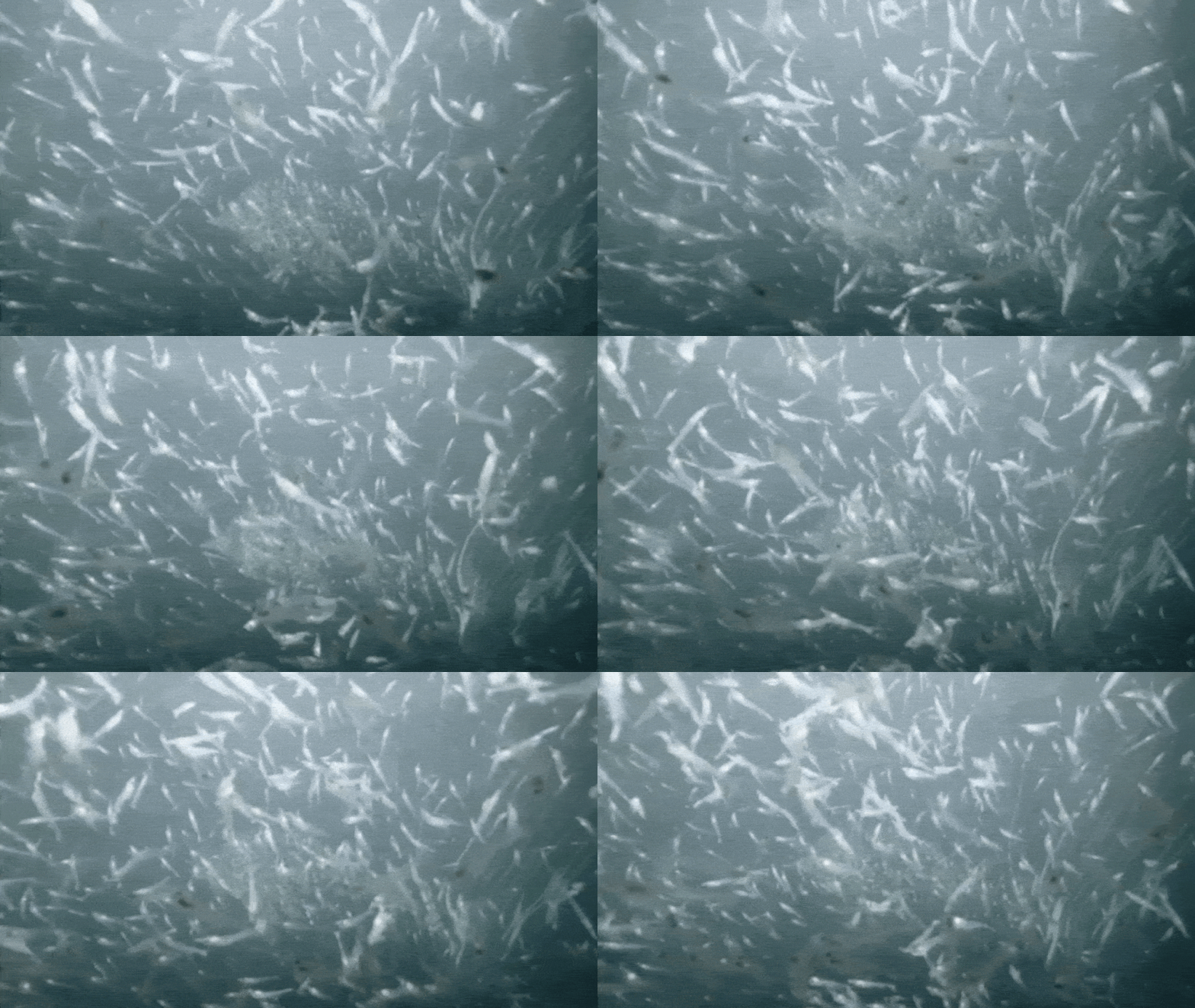
The nests are almost entirely the work of a little-known Antarctic species, Lindbergichthys nudifrons, a small fish that rarely exceeds 7.7 inches (≈19.5 cm). Each nest measures about 4.7 inches (≈12 cm) across and is typically tended by a solitary adult—usually a male—who guards the eggs, clears debris, and chases off predators. The males' cleaning activity makes the nests stand out against the otherwise plankton-covered sediment.
Surprising Patterns and Possible Reasons
Contrary to expectations for such an extreme environment, the nests were not randomly distributed. Researchers identified six recurring spatial arrangements: large clusters (accounting for nearly half of all nests), isolated nests, sharply defined U-shaped groupings, ovals, crescents, and a small number arranged in straight lines. Temperature measurements near the nests showed little difference from surrounding waters—except for a single notable site—suggesting that factors beyond temperature influence where the fish choose to nest.
©Mozgova/Shutterstock.com
Behavioral Explanation: The team invoked the "selfish herd" concept from behavioral ecology: by clustering, eggs in the center of an aggregation may gain protection because predators encounter fewer vulnerable targets. Large groups of egg masses may also produce combined chemical cues that confuse predators such as Parborlasia corrugatus, a voracious marine worm, making it harder for them to home in on individual nests.
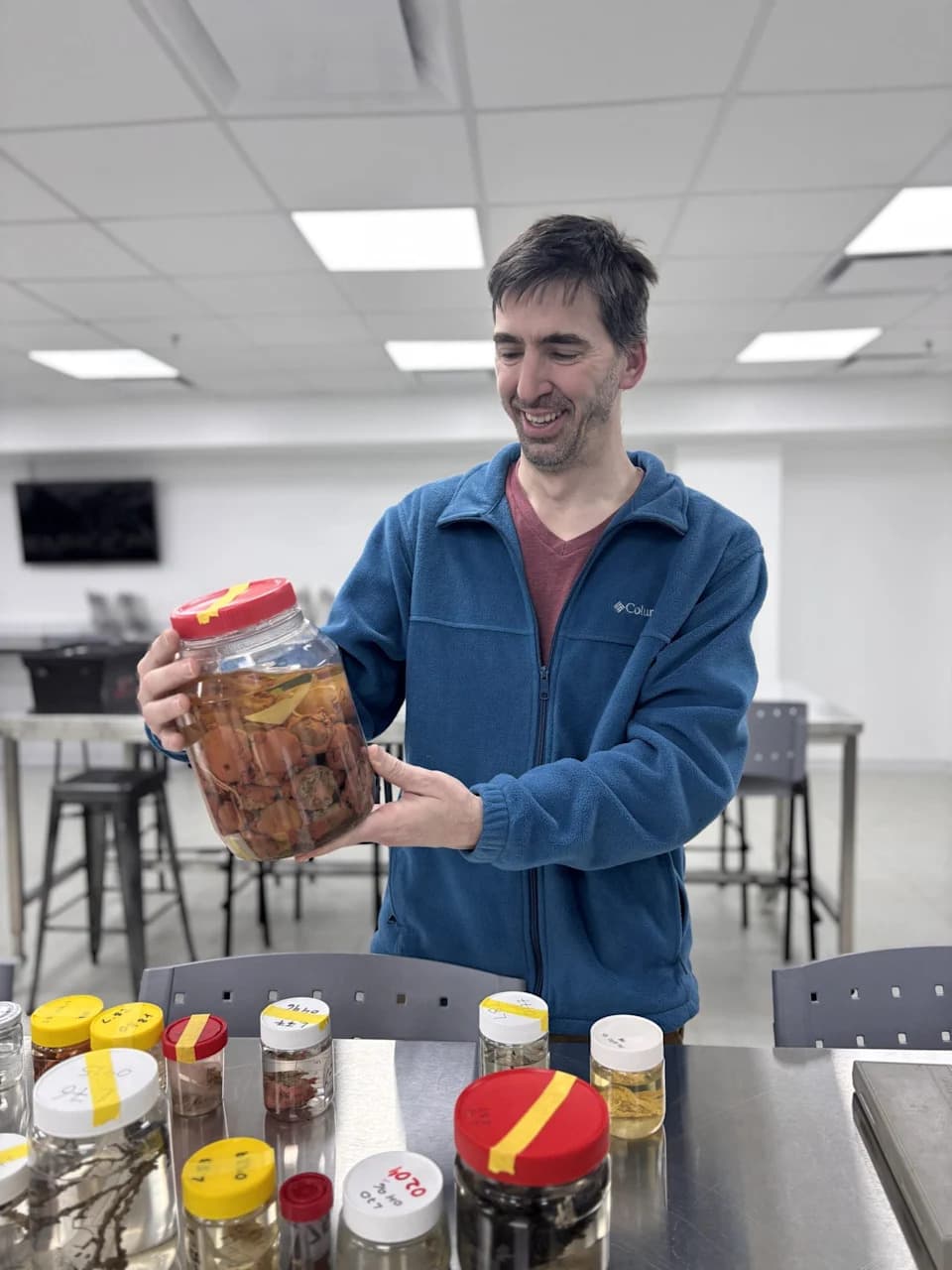
Observers also noted brittle stars—relatives of starfish—resting on the periphery of roughly one in three nests. Although brittle stars are known to eat Antarctic fish eggs, the video did not capture active predation during the dives. The researchers cautioned that not every nest could be confidently assigned to a single species and called for further study to clarify species interactions and nest ownership.
Conservation Implications
The footage has immediate conservation relevance. The Weddell Sea is already proposed for designation as a marine reserve, and conservation authorities often require video documentation of breeding or nesting sites to justify expanded protection. The discovery of more than 1,000 active nests provides strong visual evidence that researchers plan to present to the commission responsible for Antarctic conservation policy.
In the dim world beneath Antarctic ice, this discovery underscores how dynamic and complex life can be in places that remain largely unseen—revealed only because an iceberg moved and patient machines recorded what lay below.
Help us improve.