Australia has reached 487,000 subsidised home battery installations, delivering about 13 GWh of behind-the-meter storage — more than the entire U.S. residential fleet. The Cheaper Home Batteries program is adding roughly 2,000 systems per day, potentially pushing totals past 500,000 in August 2026. High rooftop-solar uptake and government rebates are driving rapid adoption, which could reduce reliance on fossil-fuel peaker plants and offer a model for other sunny countries.
Australia's Home Battery Boom: 487,000 Installed, Surpassing U.S. Residential Capacity
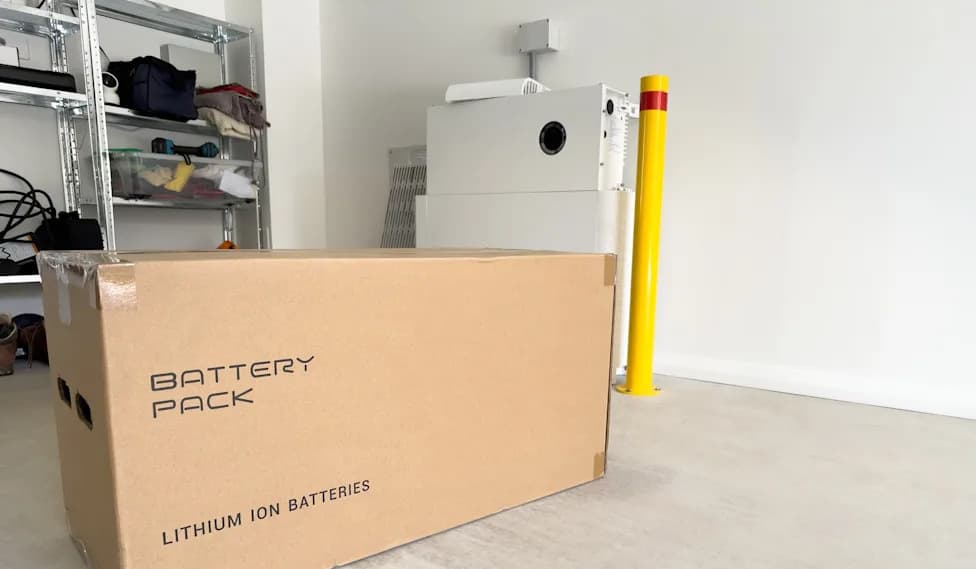
Photo Credit: iStock
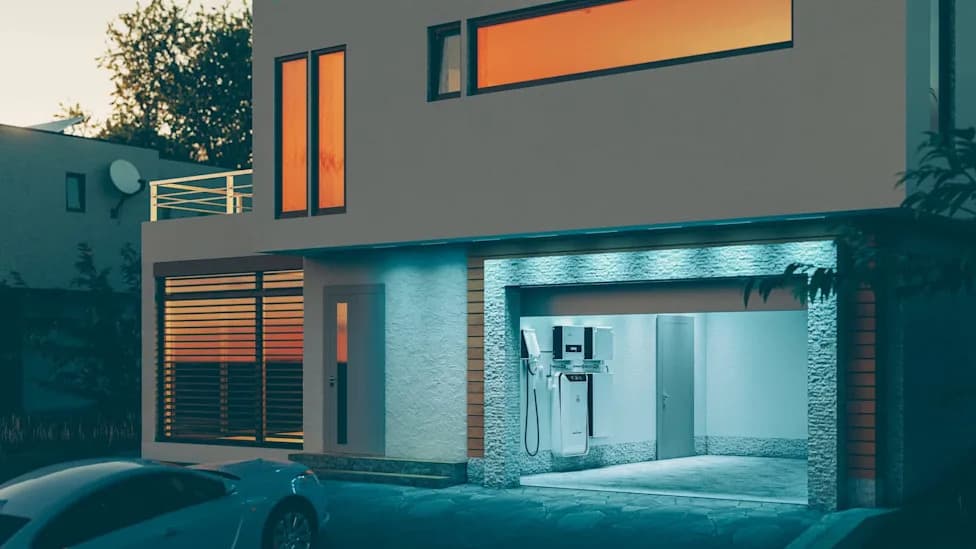
Nearly half a million Australian households have now installed subsidised home batteries, a milestone that is reshaping how the country manages electricity demand and renewable output. New figures show the federal Cheaper Home Batteries program had supported 487,000 residential battery installations by late July 2026, according to Streamline Feed.
Fast Uptake and Big Numbers
Federal Energy Minister Chris Bowen said uptake is running at roughly 2,000 systems per day — a pace that would push the national total past 500,000 during August 2026. Together, these home systems now provide about 13 gigawatt-hours (GWh) of behind-the-meter storage — electricity stored in homes rather than in centralized facilities. That total exceeds Australia’s current grid-scale storage and the entire U.S. residential battery market, which is around 9 GWh.
Why Home Batteries Are Spreading So Quickly
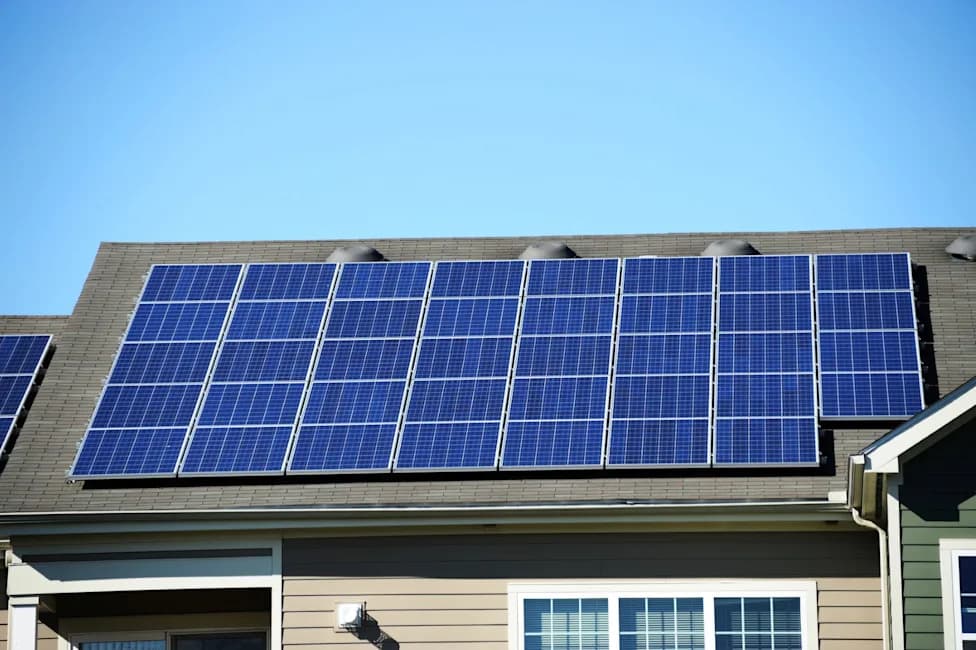
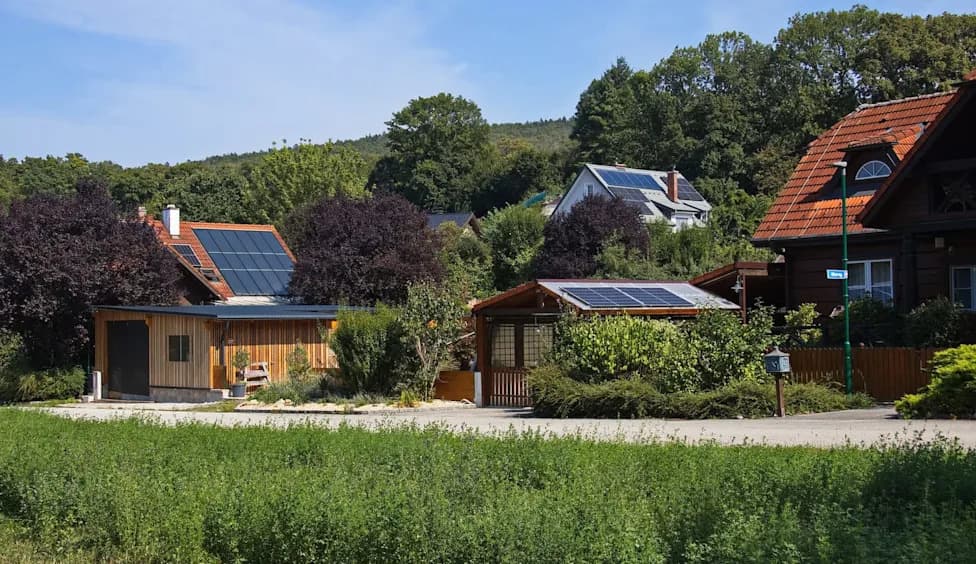
Australia’s high rooftop-solar penetration is a major driver: instead of exporting all daytime solar generation to the grid, households can store power for evening use when demand and prices are typically higher. Financial incentives — notably the government rebates that reduce upfront costs — have accelerated adoption, making batteries affordable for many households that can recoup costs over time through bill savings.
Benefits For Households And The Grid
- Lower bills and peak-price protection: Batteries let homes use more of their own solar and avoid expensive evening rates.
- Increased resilience: Stored power improves the chance of keeping essential devices running during outages.
- System-wide value: When many homes store and manage energy together, the aggregation can reduce pressure on the grid and lessen reliance on fossil-fuel peaker plants.
Challenges And Next Steps
Widespread household storage creates new operational needs for distribution networks. As more homes both store electricity and export it back to the grid, utilities must deploy better digital controls and two-way management systems to handle voltage, congestion and coordinated dispatch. Policymakers and grid operators will need to align incentives, technical standards and network planning to maximise benefits and maintain stability.
"The rapid rollout shows how quickly distributed clean energy can scale when policy, technology and high solar uptake align," said one energy analyst. "A large pool of smaller batteries can deliver flexibility faster than waiting for years-long central projects."
Australia’s program has reached roughly half the federal target of one million household installations by 2030 in just over a year, suggesting strong consumer demand for tools that cut bills, increase energy independence and support a more reliable grid. If the current pace continues, Australia could hit milestones once thought years away — and offer a practical template for other sun-rich nations.
Sources: Cheaper Home Batteries program data, Streamline Feed; comments from Federal Energy Minister Chris Bowen.
Help us improve.