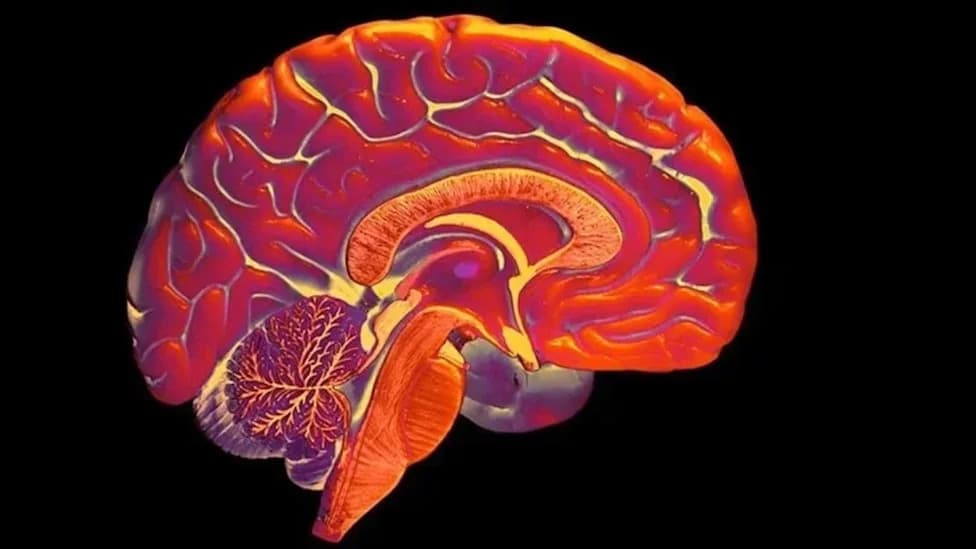
The brain’s large-scale activity patterns appear to shift as tinnitus becomes chronic: early-stage tinnitus is associated with increased salience-network activity and reduced central-executive engagement, while chronic cases show more stable network patterns resembling healthy controls. Researchers interpret this as neuroplastic adaptation that may reduce everyday impact but complicate treatment. The study used resting EEG in 45 participants without apparent hearing loss and was led by Meng-Fang Gong; authors note the small, cross-sectional design and call for longitudinal follow-up.
Brain Reorganizes As Tinnitus Becomes Chronic, Study Finds
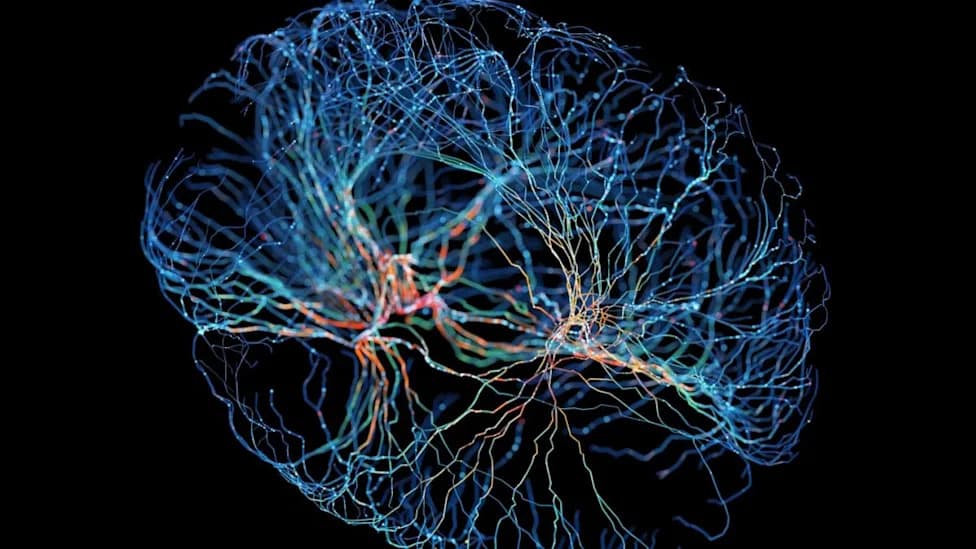
(Andriy Onufriyenko/Moment/Getty Images)
If you have never experienced the persistent noise of tinnitus, it can be difficult to imagine how disruptive it can be to mood and daily life. New research suggests the brain’s response to tinnitus is not fixed: rather than remaining in an early state of heightened vigilance, large-scale brain activity patterns appear to shift as tinnitus becomes chronic.
YouTube Thumbnail
Study Design and Methods
The study, led by neurologist Meng-Fang Gong of the First Affiliated Hospital of Soochow University and published in iScience, recruited 45 people with no apparent hearing loss: 15 with acute tinnitus (<6 months), 15 with chronic tinnitus (>6 months), and 15 tinnitus-free controls. Each participant wore a noninvasive electroencephalography (EEG) cap while resting quietly for 10 minutes so researchers could record spontaneous brain activity.
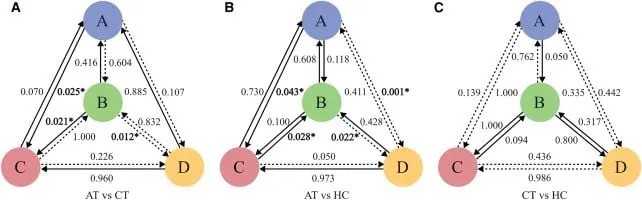
People with recent tinnitus (AT) showed more frequent shifts toward brain states linked to salience (C), while those with chronic tinnitus (CT) displayed transition patterns that more closely resembled healthy controls (HC). (Gong et al.,iScience, 2026)
What the Researchers Measured
Instead of focusing on activity in single brain regions, the team tracked how large-scale brain networks switched on and off over time and how those networks communicated. They analyzed dynamic patterns of network transitions and connectivity, with particular attention to the salience network (which flags stimuli that demand attention) and the central executive network (involved in cognitive control and habituation).

Subscribe to ScienceAlert's free fact-checked newsletter
Key Findings
People with recent-onset tinnitus showed more frequent shifts toward brain states dominated by the salience network and reduced engagement of the central executive network. In contrast, participants with tinnitus for longer than six months displayed transition patterns that more closely resembled healthy controls, suggesting their brains had settled into a different, more stable mode of network communication.
"Understanding the dynamic interplay between these networks across the progression of tinnitus is crucial for elucidating its pathophysiology," the authors wrote.
Interpretation and Clinical Implications
The authors interpret these changes as evidence of neuroplastic adaptation — the brain reorganizing its activity in response to persistent phantom sounds to establish a new operational baseline. That adaptation may help some people function better despite ongoing tinnitus, but it may also complicate treatment: therapies that work during the early, hypervigilant stage might be less effective once the brain has reorganized.
Limitations and Next Steps
The study is cross-sectional and relatively small, so it compared different people at distinct stages rather than tracking individuals over time. The participants were selected to exclude measurable hearing loss, which helps isolate tinnitus-related changes but may limit generalizability. The authors recommend longitudinal studies that follow patients from onset through chronicity to confirm how individual brain networks evolve and to guide stage-specific treatments.
Overall, the research highlights tinnitus as a condition that can involve widespread, dynamic brain changes beyond the auditory system and underscores the need for tailored therapeutic strategies based on duration and network-level brain state.
Help us improve.