A trail camera on Exmoor recorded a female pine marten with four kits months after 19 animals were released there as part of a reintroduction programme. The footage indicates the released martens are surviving and breeding — an important step toward a self-sustaining population. Conservationists warn the population remains small and vulnerable to threats such as vehicle strikes and rodenticide, and continued volunteer and public reporting is essential.
Trail Camera Films Female Pine Marten With Four Kits on Exmoor — Early Win for Reintroduction
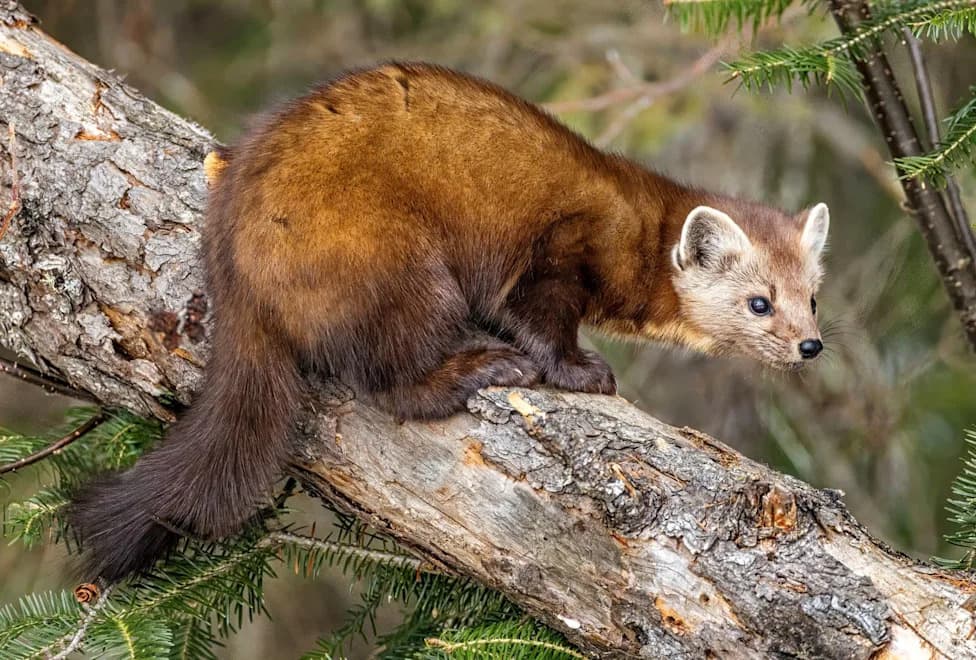
Photo Credit: iStock
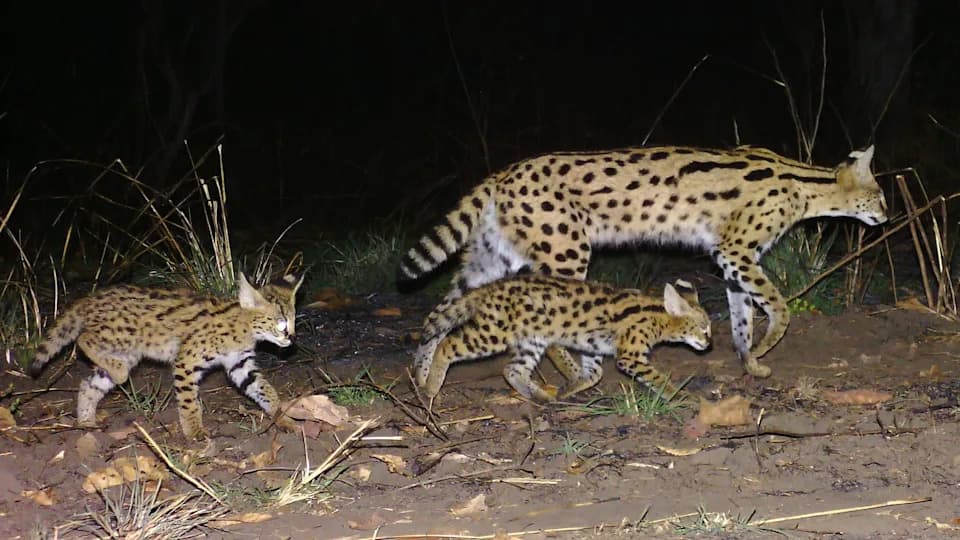
A trail camera on Exmoor has recorded a promising milestone for one of England's rarest mammals: a female pine marten accompanied by four kits just months after a reintroduction programme released animals into local woodland.
Breeding Confirmed, But Population Remains Fragile
The footage, captured at a baited site using peanut butter and fish oil, was recorded by one of the volunteer-monitored trail cameras deployed as part of the Two Moors Pine Marten Project. Nineteen pine martens were released on Exmoor the previous September in locations managed by the National Trust and the Exmoor National Park Authority.
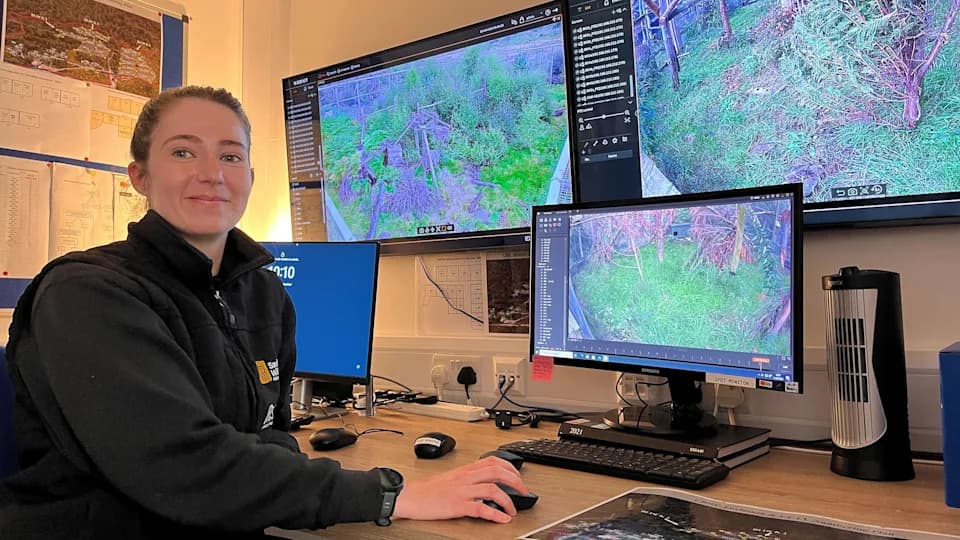
Project field officer Ali North said the clips came from a camera monitored by a volunteer: 'We were incredibly excited to finally see kits after so many months of intensive monitoring.' The sighting suggests the reintroduced animals are not only surviving but breeding — a key benchmark for establishing a self-sustaining population.
'Mothers give birth in March or April and have on average two to three kits, so to see four with their mum was an amazing sight and suggests that Exmoor is the perfect home for these animals,' North added.
The new footage provides confirmation that breeding is now happening on Exmoor and bolsters other evidence from Dartmoor, where 15 pine martens were released in 2024 and resident video suggests further breeding there this year.
Threats and Community Involvement
Conservationists caution that the population is still very small and vulnerable. Pine martens remain at risk from vehicle collisions, illegal persecution and secondary poisoning from rodenticides. Because the animals are shy and highly mobile, monitoring relies heavily on volunteers, land managers, partner organisations and reports from local residents.
Ali Hawkins, senior ecologist at Exmoor National Park Authority, said: 'While this is very positive news, the population remains small and vulnerable, so continued public support and reporting of sightings will be vital as we help this native species re-establish itself.'
The Two Moors Pine Marten Project continues to monitor Exmoor and Dartmoor using trail cameras and public sighting reports to map movements, confirm breeding and identify threats. Residents of Devon, Somerset and Cornwall who think they have seen a pine marten are encouraged to report sightings to help researchers track recovery and raise awareness of risks such as rodent poison.
Why it matters: Restoring native predators like the pine marten can help create healthier, more resilient woodland ecosystems by balancing prey species and supporting biodiversity.
Help us improve.