A decade after the Brexit vote, the UK remains politically unsettled: seven prime ministers have come and gone, growth has disappointed, and Nigel Farage has re-emerged as a major figure amid a damaging financial scandal. Ian Bremmer and Rory Stewart discuss on GZERO World how promises of a more prosperous, independent Britain collided with tariffs, renewed great‑power rivalry and global economic realities. They also explore whether Britain’s centre can recover and how Brexit, together with a possible Trump return, may signal a new era for Western politics.
A Decade After Brexit: How It Reshaped Britain and What Comes Next
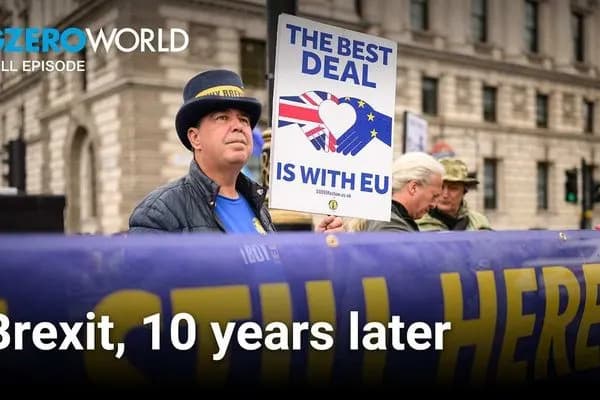
How Brexit changed the UK and what's next?
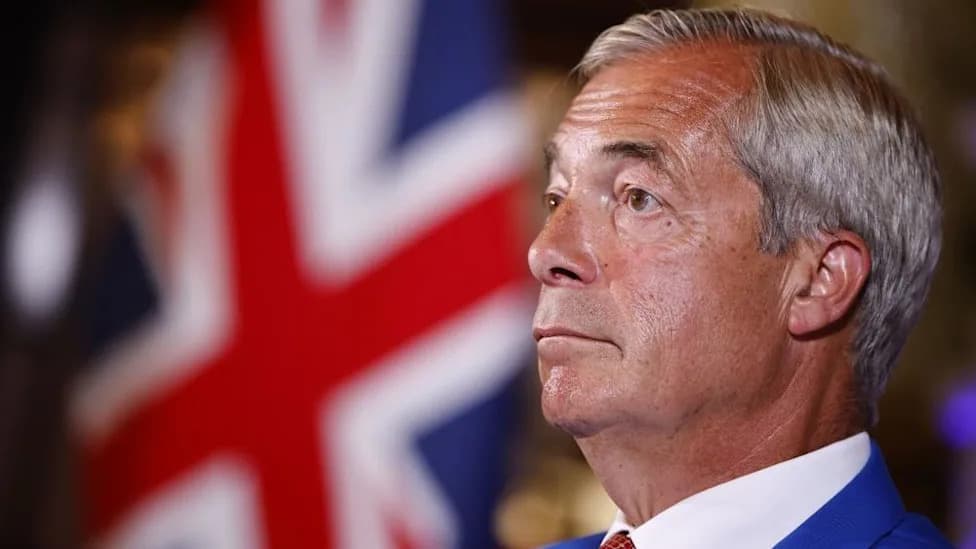
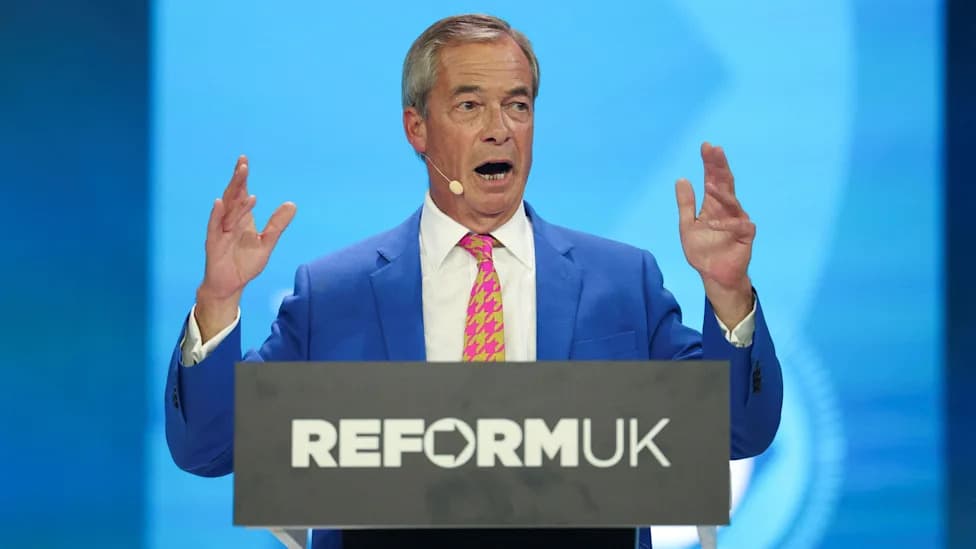
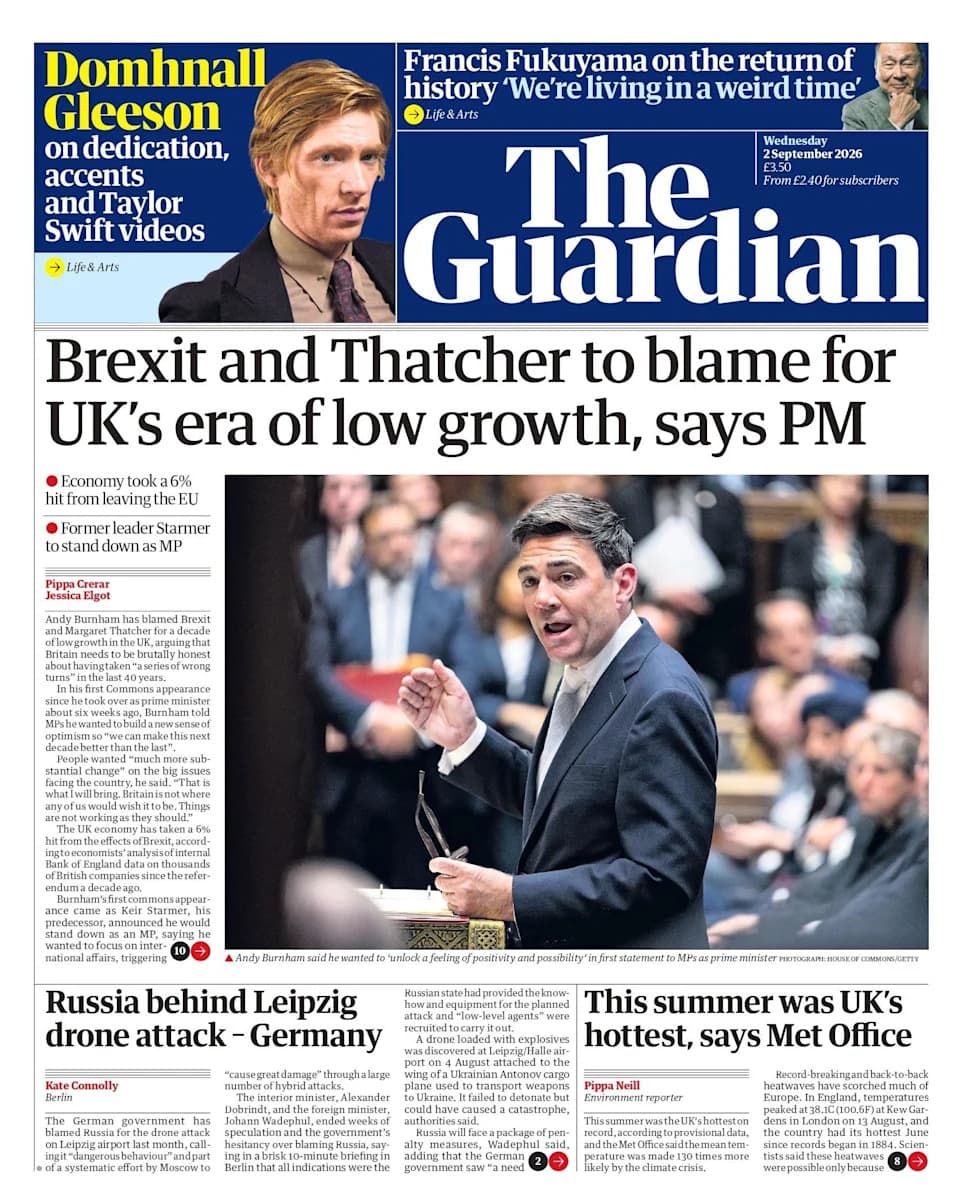
A decade after the 2016 referendum, Brexit's effects continue to reverberate across British politics, economics and foreign policy. The UK has cycled through seven prime ministers, seen economic growth fall short of early expectations, and watched the return of Nigel Farage as a powerful political presence—now facing a financial scandal that could undermine his anti-establishment appeal.
On the programme GZERO World, host Ian Bremmer sits down with former cabinet minister Rory Stewart to take stock of what Brexit achieved, where it fell short, and how it is still reshaping Britain’s political landscape. Stewart argues that the promise of a more prosperous, independent Britain collided with a global environment shaped by tariffs, renewed great-power rivalry and intensifying geopolitical competition.
What Went Right—and What Didn’t
Stewart acknowledges that Brexit delivered political sovereignty in the formal sense, allowing the UK to set its own laws and trade policies. But he also highlights the limits of that sovereignty when economic ties, supply chains and geopolitical pressures make cooperation with partners essential. The expected immediate economic gains have not materialised for many, and public frustration has translated into repeated political upheaval.
Stewart frames the challenge succinctly: the goals of domestic renewal and global influence run into the realities of tariffs, competition between great powers, and the complexities of international trade.
Farage, The Centre And Political Stability
The interview explores Nigel Farage’s political comeback and the reputational risk posed by an ongoing financial scandal that could erode his populist credentials. Stewart and Bremmer also discuss why Britain’s political centre has struggled to re-engage voters who feel left behind, and whether a new generation of leaders can break the cycle of instability that has produced frequent leadership changes.
Broader Geopolitical Implications
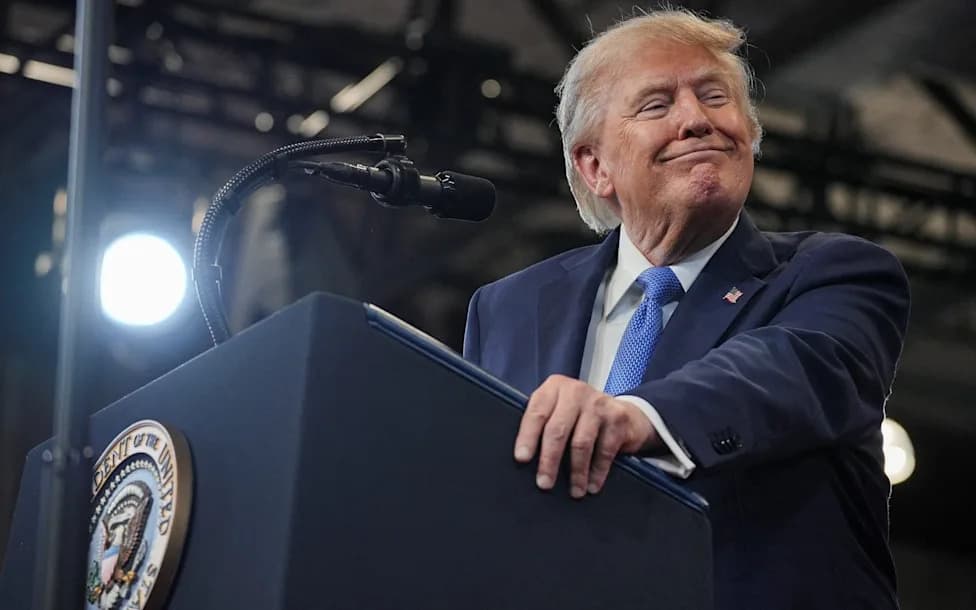
Finally, the conversation places Brexit in a wider context: combined with a potential return of Donald Trump to the White House, these shifts are prompting Britain and other US allies to reassess their global roles. Stewart asks the larger question: are we witnessing the start of a new political era in the West, where alliances, trade relationships and strategic priorities look very different than they did a decade ago?
Whatever the answer, the interview makes clear that Brexit’s consequences go beyond borders—shaping domestic politics, party dynamics and how Britain positions itself on the world stage for years to come.
Help us improve.