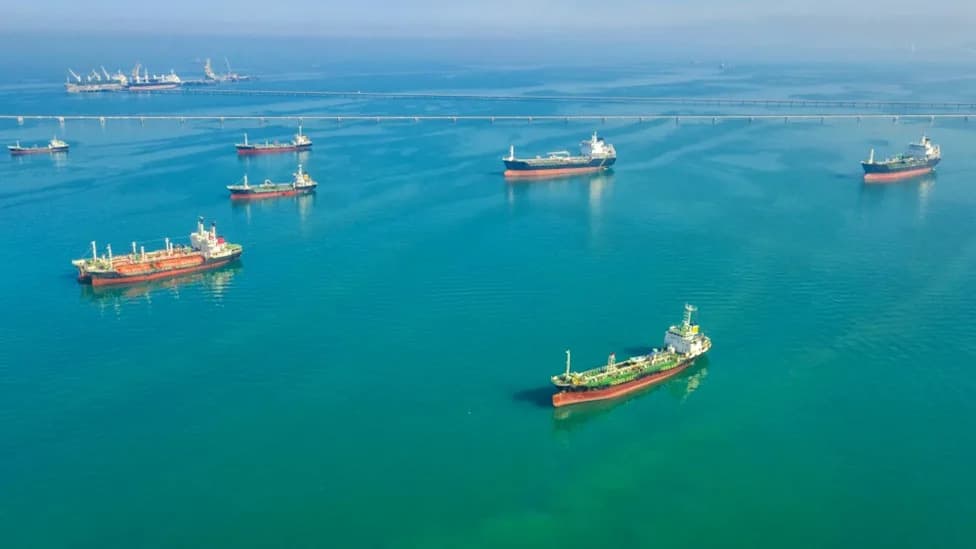
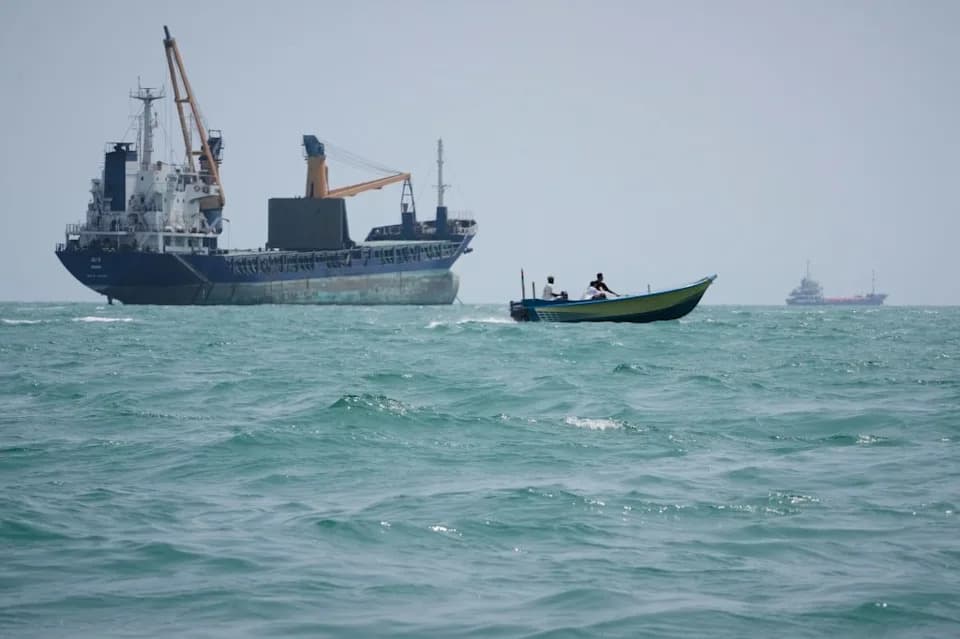
Senator Marco Rubio has called for a long-term strategy to shift global energy flows away from the Strait of Hormuz, citing regional security concerns. The strait currently carries about 20 million bpd (roughly 20% of global oil) and a fifth of global LNG trade, making any bypass a major challenge. Existing overland pipelines (Saudi Petroline ~7m bpd; UAE to Fujairah ~1.8m bpd) and other routes cover only a fraction of that volume. Experts warn that comprehensive alternatives would take decades, cost billions, and remain vulnerable to attacks and new chokepoints like Bab al-Mandeb.
Can the World Bypass the Strait of Hormuz? Rubio’s Vision and Why a Full Escape Is Unlikely
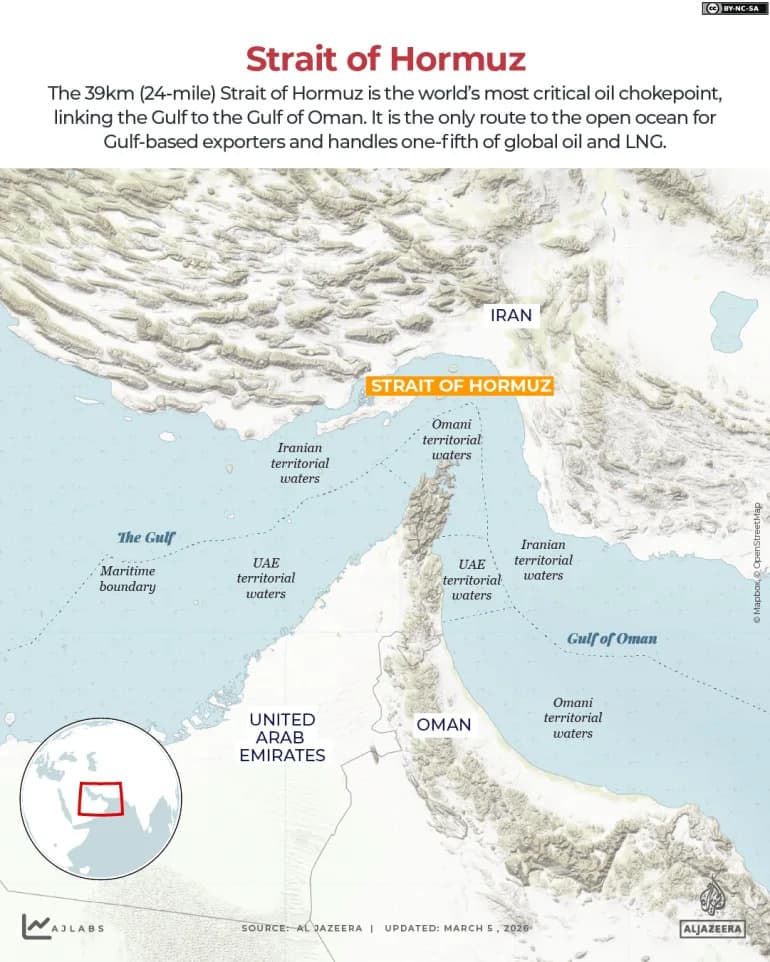
(Al Jazeera)
Senator Marco Rubio's recent comments about reducing global reliance on the Strait of Hormuz have reignited debate over whether the world's energy supply can realistically be rerouted away from this narrow but vital waterway.
Why Hormuz Matters
The Strait of Hormuz is one of the world's most important energy chokepoints. According to the U.S. Energy Information Administration (EIA), roughly 20 million barrels per day (bpd) of oil — about one-fifth of global petroleum liquids consumption — transit the roughly 39-kilometre (24-mile) channel. The strait also carries about one-fifth of global liquefied natural gas (LNG) trade, much of it from Qatar.
Rubio’s Proposal
Speaking on Fox News, Senator Rubio urged a long-term strategic realignment that would shift energy flows away from Hormuz, arguing that regional insecurity — particularly concerns about Iranian control of the waterway — justifies investment in alternative routes and infrastructure.
Paraphrase: Rubio framed the idea as a permanent geopolitical shift to reduce vulnerability stemming from concentrated maritime transit.
Existing Overland Options
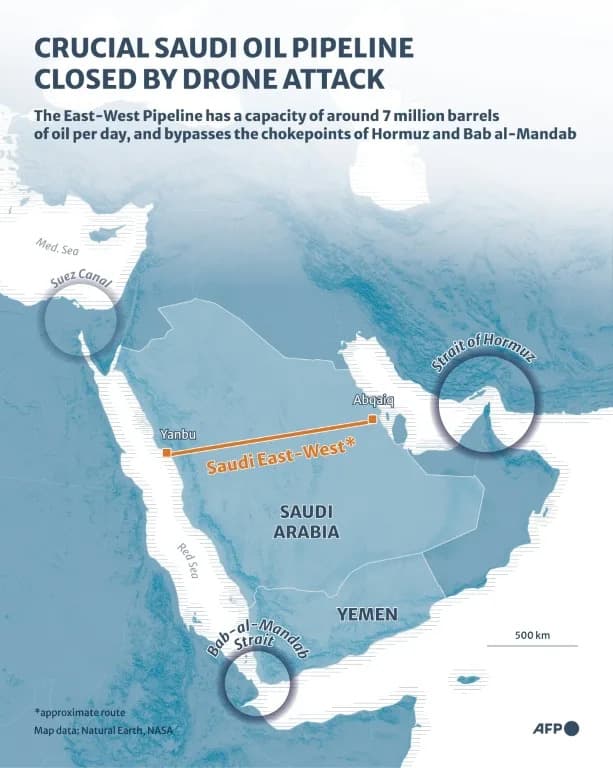
Some bypass infrastructure already exists. Saudi Arabia’s East–West Pipeline (Petroline), which links Abqaiq to the Red Sea port of Yanbu, is reported by Saudi authorities to be pumping roughly 7 million bpd after repairs. The UAE’s Abu Dhabi Crude Oil Pipeline to Fujairah can carry up to about 1.8 million bpd. But even combined, current alternative pipelines only deliver a fraction of the volume that normally moves through Hormuz.
Capacity Gaps and Practical Limits
An Al Jazeera explainer calculated that alternative pipelines have a combined maximum capacity near 9 million bpd — far short of the roughly 20 million bpd that transit Hormuz. The EIA estimated that only about 2.6 million bpd of unused pipeline capacity would be immediately available if the strait were suddenly disrupted. That leaves a large and difficult-to-fill gap for major producers such as Kuwait, Qatar and Iraq.
Security Trade-Offs
Rerouting oil to the Red Sea moves exposure to other chokepoints such as Bab al-Mandeb, which connects the Red Sea to the Gulf of Aden and the Indian Ocean and has been threatened by Houthi activity in Yemen. Overland pipelines and terminals are static, high-value targets — vulnerable to drone, missile and sabotage attacks — a point made by independent energy analysts and researchers. Such threats reduce the appetite of private investors and energy companies to fund multi-billion-dollar projects unless robust protections are in place.
LNG Presents a Special Challenge
Natural gas — and specifically LNG — is harder to reroute than crude oil because its export system depends on liquefaction plants, specialized carriers and receiving terminals that are concentrated in certain locations. Disruptions in Hormuz could force Europe and Asia to compete fiercely for available LNG, risking sharp price spikes and wider economic strain.
Conclusion
While incremental diversification of routes is proceeding and some bypass capacity exists, replacing the Strait of Hormuz as the primary corridor for Middle Eastern energy exports is effectively impossible in the near term. A full decoupling would require decades, enormous investment, and comprehensive security solutions — and would shift, rather than eliminate, geopolitical vulnerabilities.
Help us improve.