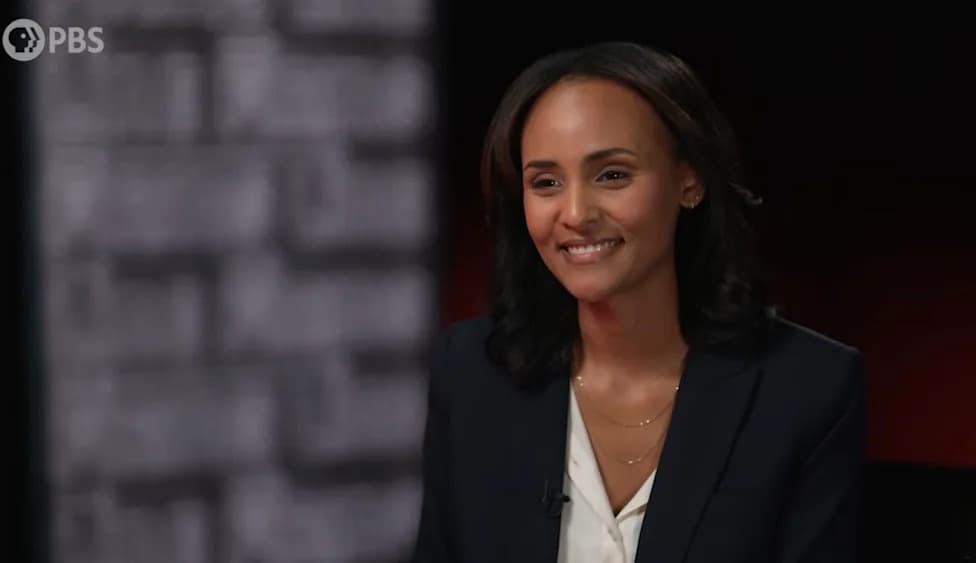
Melat Kiros, a Democratic Socialist running for Colorado's U.S. House seat, told PBS she is not a communist and dismissed Republican concerns about communists in the party as political "noise." On Firing Line, Kiros called the Democratic Party a "big tent" and said voters will determine whether self‑described communists win office. Her remarks follow several DSA‑affiliated primary victories and renewed warnings from President Trump about the growth of communism in the U.S.
Democratic Socialist Melat Kiros Says She's Comfortable With Communists in the Party: "It's a Big Tent"
‘It’s a Big Tent’: Democratic Socialist Candidate Has No Problem With Communists In Her Party
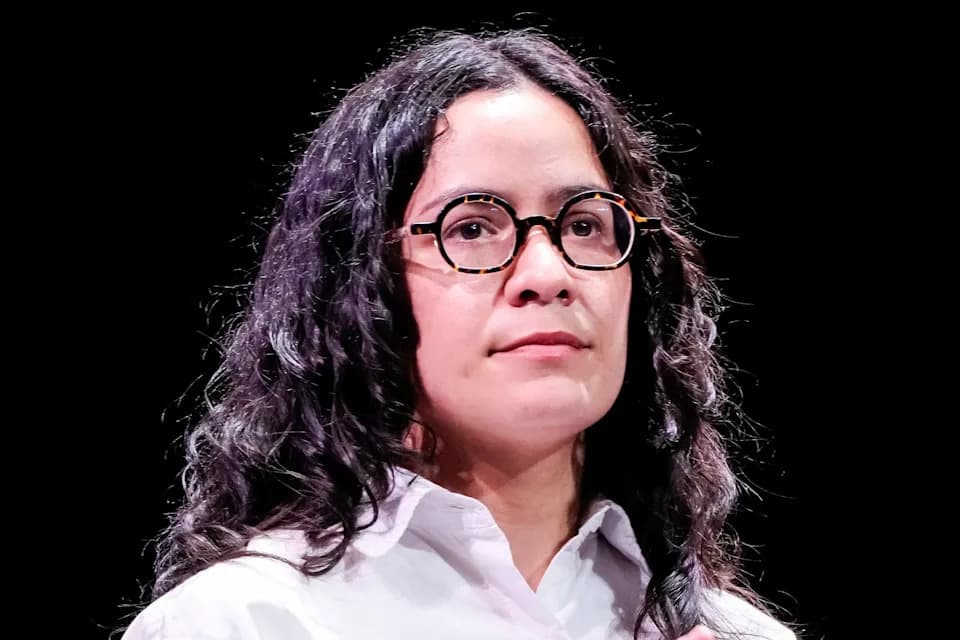
Melat Kiros, a Democratic Socialist running for Colorado's U.S. House seat, said she is not a communist and dismissed Republican alarm over communist members in the party as political noise during a Friday interview on PBS's Firing Line with host Margaret Hoover.
Hoover noted that Republican critics have seized on the Democratic Socialists of America (DSA) and what they portray as admiration for Marxism, and she referenced President Donald Trump's repeated warnings that communism poses a threat to the nation. Hoover quoted a June remark from Trump calling them "hardcore, godless communists" and asked Kiros directly whether she was a communist.
"No, I'm not a communist," Kiros replied.
When Hoover pointed out that some DSA members — and roughly half of its reported leadership — refer to themselves as communists, Kiros responded by stressing the party's ideological diversity: "Some members of the Democratic Party proudly proclaim themselves as capitalists. It's a big tent, right?" She added, "At the end of the day, it's up to the voters. Until a self‑proclaimed communist actually wins an election, then it's just noise from the Republican Party."
Context and Aftermath
The exchange followed June Democratic primary victories by several candidates with DSA ties. Two winners in New York — Darializa Avila Chevalier and Claire Valdez — are active DSA members, as is New York City Mayor Zohran Mamdani, who backed both candidates.
Beyond its economic platform, the DSA's website criticizes what it calls Trump's "racist immigration policies" and says the U.S.-Israel alliance merits scrutiny; it has described Israeli actions in Gaza as a "genocide." Those positions have fed Republican attacks that portray the party's left flank as extreme.
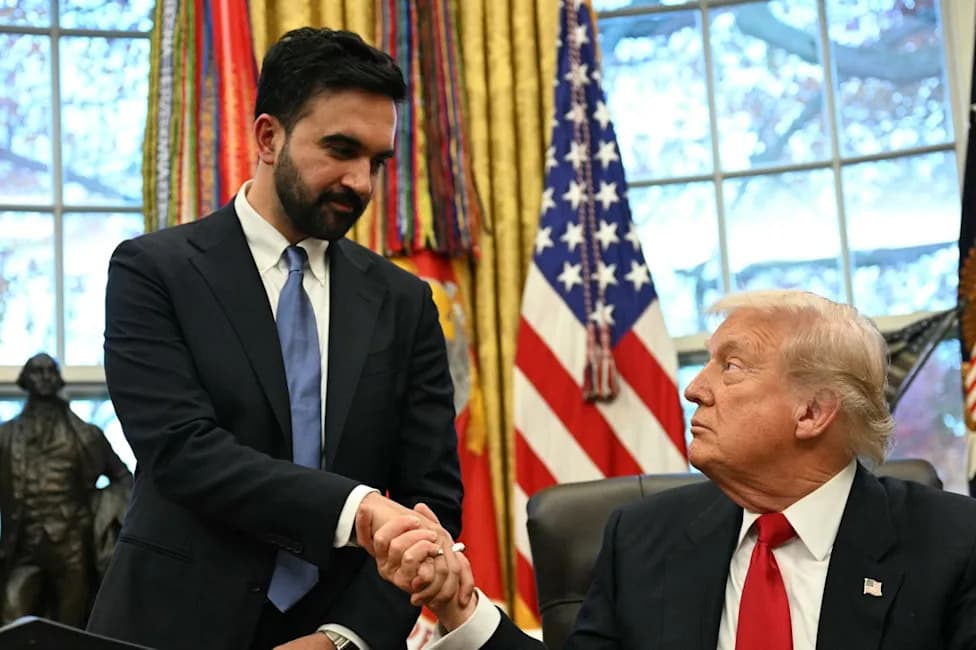
Soon after the primaries, Trump sarcastically congratulated Mamdani for helping elect "solid Communists," and later warned that communists were beginning to "make their move" in the United States: "The game is on," he said. In other public remarks, Trump has repeatedly denounced communism and socialism, using strong language to warn voters about their perceived risks.
This interview highlights a broader partisan dispute: Democrats and DSA-aligned candidates emphasize pluralism and voter choice, while Republicans spotlight ideological labels to energize their base. Kiros framed the matter as ultimately decided at the ballot box, arguing that rhetoric will matter less than actual electoral outcomes.
Help us improve.