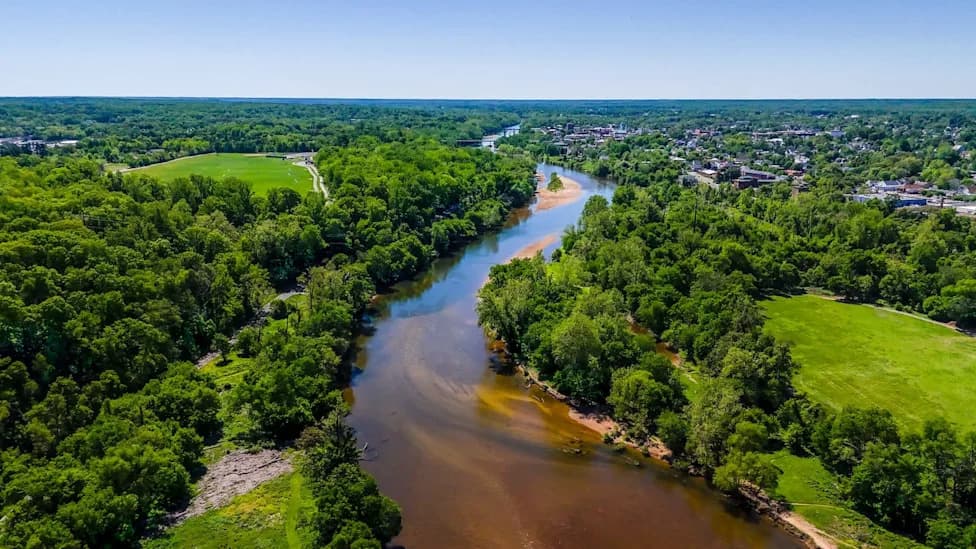
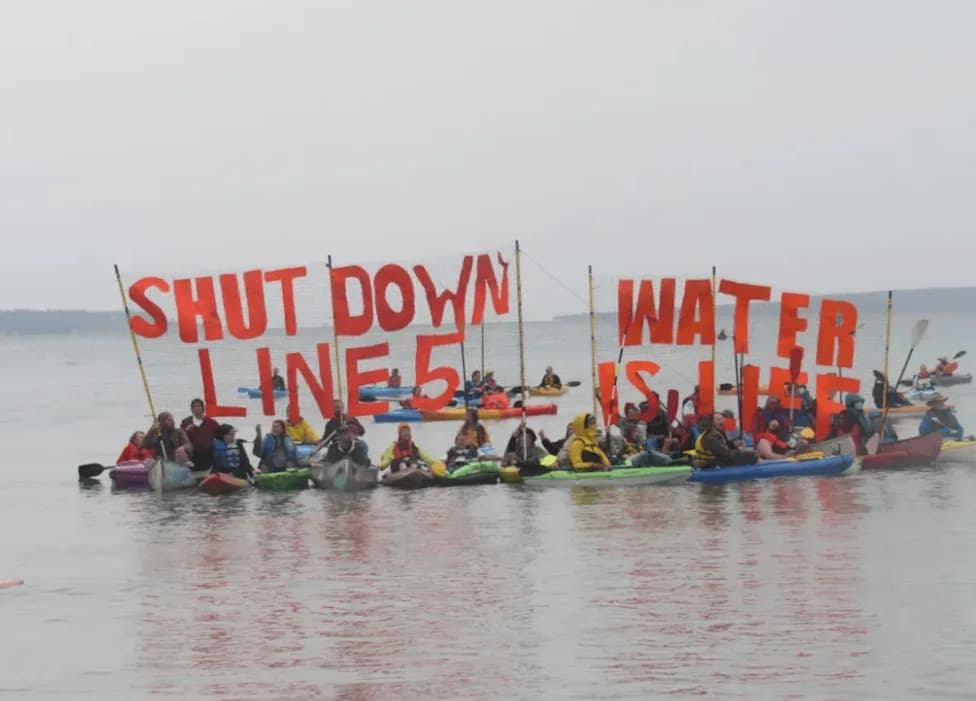
Enbridge Gas North Carolina plans a roughly 28-mile, 12-inch pipeline through parts of Chatham County, prompting opposition from landowners who fear 50-foot permanent easements will limit land use and harm streams, wildlife, and documented Tuscarora sites. Community groups and experts are urging regulators to require separate permits for each stream and wetland crossing and to encourage landowners to document cultural sites themselves. A public comment meeting is scheduled for Aug. 5, and organizers are mobilizing while the company finalizes the route.
North Carolina Landowners Mobilize Against Proposed 28-Mile Enbridge Gas Pipeline
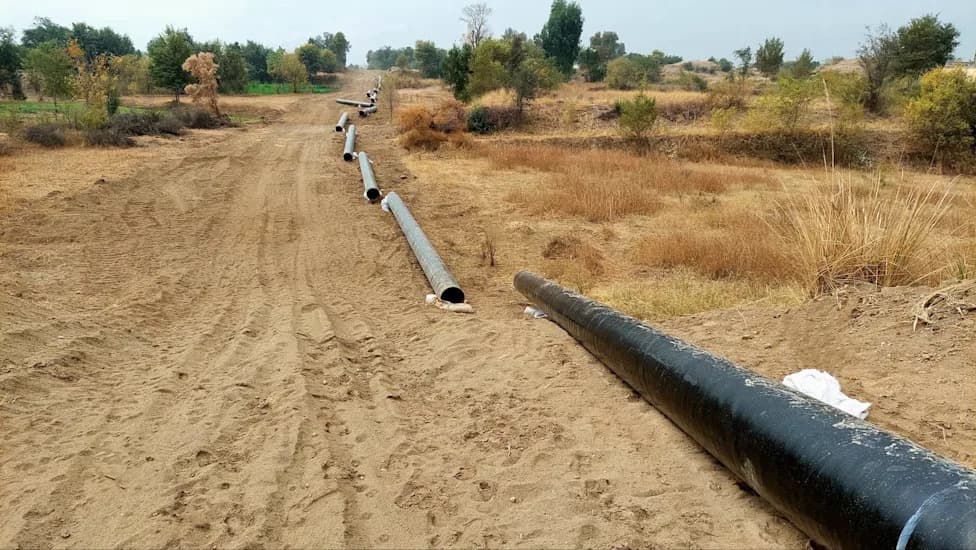
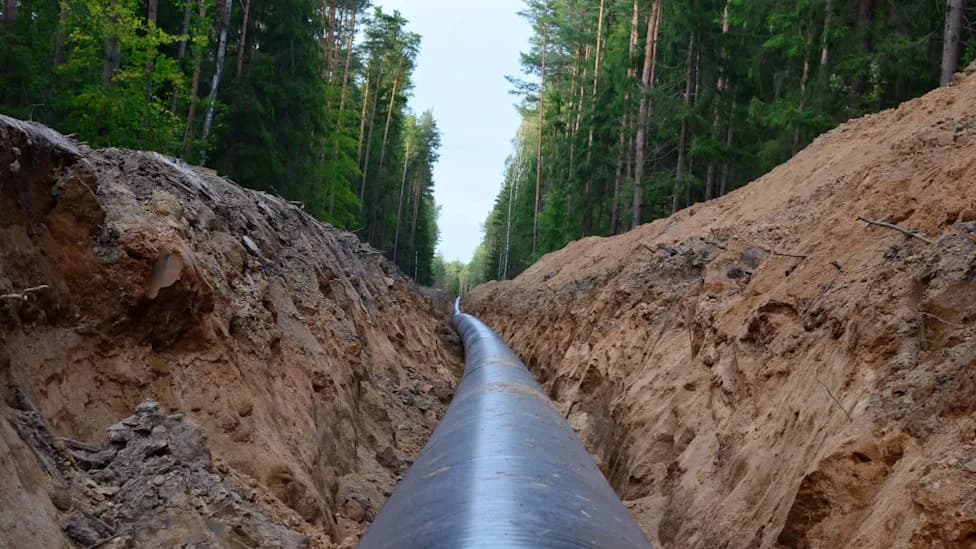
Photo Credit: iStock
In central North Carolina, Enbridge Gas North Carolina’s proposal for a roughly 28-mile, 12-inch natural gas pipeline has prompted sustained pushback from landowners in Chatham County, including families who say their properties have been held for decades or generations.
Survey Requests and Unsettled Route
Landowners Eileen and James Gunipero received an April 16 letter asking to survey their 22-acre tract. Residents say months later the company has not finalized a route, leaving them unsure whether farms, wetlands, or culturally important sites will lie in the pipeline’s path.
Community Concerns
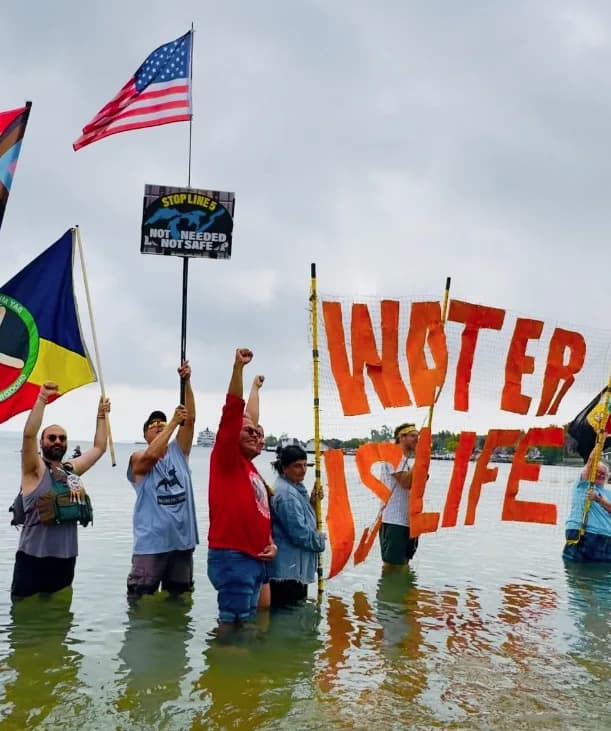
At a July 17 meeting in Pittsboro hosted by the Haw River Assembly, about 40 people discussed eminent domain, environmental risks, and worries that regional data-center growth may be driving demand for additional gas infrastructure. Emily Sutton, executive director of the Haw River Assembly, told the gathering,
"We're going to be working together to stop this pipeline."
Company Position
An Enbridge spokesperson, Persida Montanez, said the company believes a 12-inch line is needed to meet rising residential and commercial demand in Chatham and Lee counties. Montanez noted that customer totals in Chatham County rose 2.7% over the last year and said each surveyed landowner has been assigned an agent to answer route questions.
Land-Use and Environmental Risks
Enbridge has indicated permanent easements would be roughly 50 feet wide, a restriction that residents fear could limit future building, farming, and property use. Opponents warn of potential harms to waterways, wildlife habitat, and culturally significant places.
Retired biologist John Alderman has alerted federal regulators to risks to the Rocky River–Deep River system, and Crystal Cavalier-Keck of 7 Directions of Service, an Indigenous-led environmental justice organization, says the proposed path crosses documented Tuscarora village sites.
Local Voices
Many property owners spoke bluntly about their opposition. Dorasue Christian, an 85-year-old widow whose family land may be affected, said,
"If Enbridge takes this land, they're going to have to come over my dead body."James Gunipero warned,
"Once they leave that pipeline in, we're living on a landmine, essentially."
Permits, Protections, and Next Steps
Opponents are organizing while the route remains unsettled. Community leaders urged residents to ask the North Carolina Department of Environmental Quality to require separate permits for each stream and wetland crossing rather than rely on a broader general permit. They also encouraged landowners to document culturally significant locations on their own properties rather than relying solely on company-funded surveys.
Enbridge says it is still collecting input and that it takes cultural and archaeological resources seriously, adding it may use horizontal directional drilling beneath larger rivers and other sensitive areas to reduce surface disturbance.
Chatham County's Board of Commissioners scheduled a public comment meeting for Aug. 5. With the route undetermined, landowners and community groups continue to press officials and the company for stronger protections for waterways, wildlife, farms, and sites of cultural importance.
Help us improve.