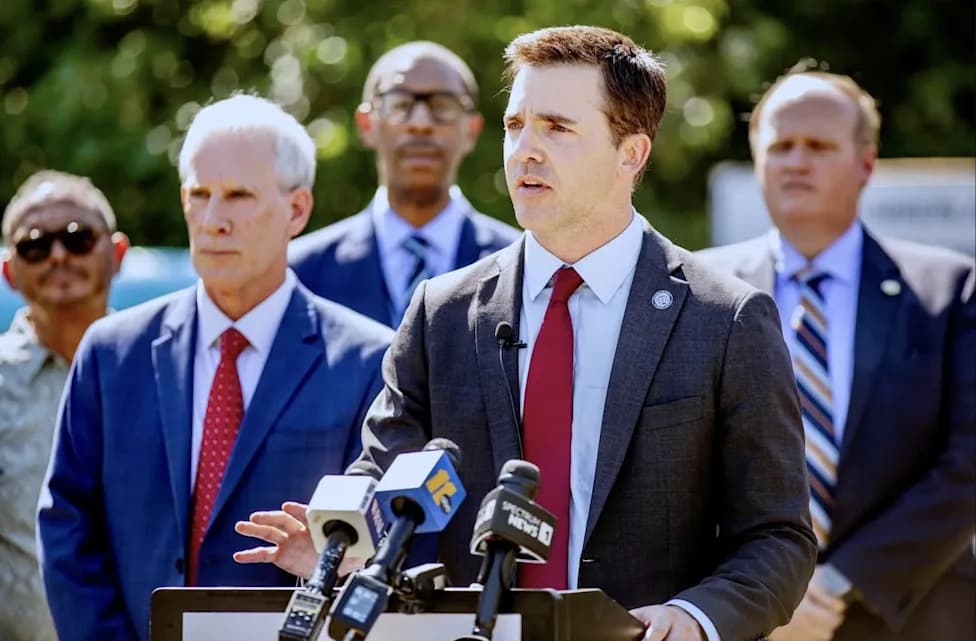
Caroline County won a court ruling allowing eminent-domain proceedings to continue against farmer Cory Garrett for 11 acres needed for a Rappahannock River water intake. Judge Dennis Hupp found the intake and treatment facility qualify as a public use and that the county complied with notice and good-faith offer requirements. The county has approval to withdraw up to 9 million gallons per day and plans to convey water about 35 miles; tribal lawsuits and potential appeals remain pending.
Virginia Judge Allows County To Seek Farmer's 11 Acres For Data-Center Water Intake
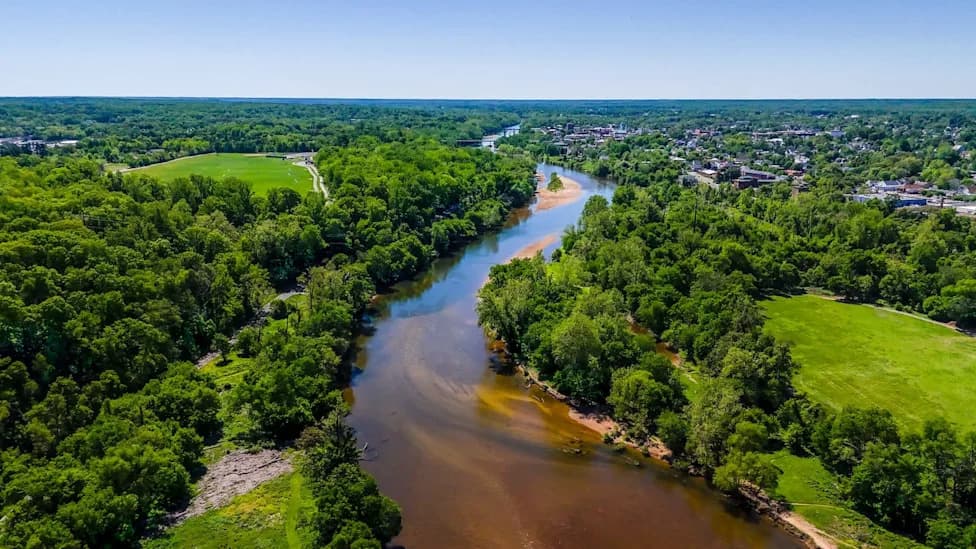
Photo Credit: iStock
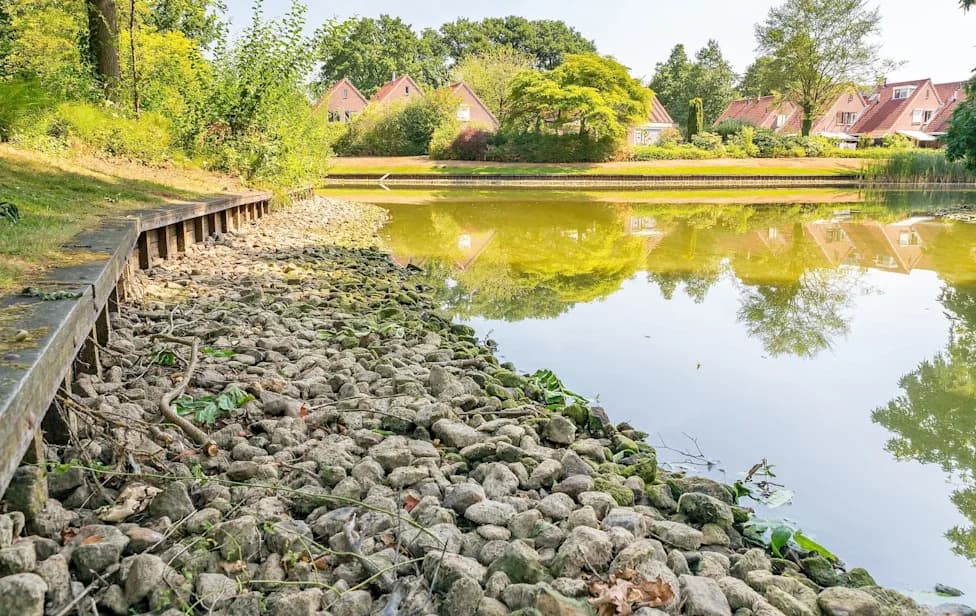
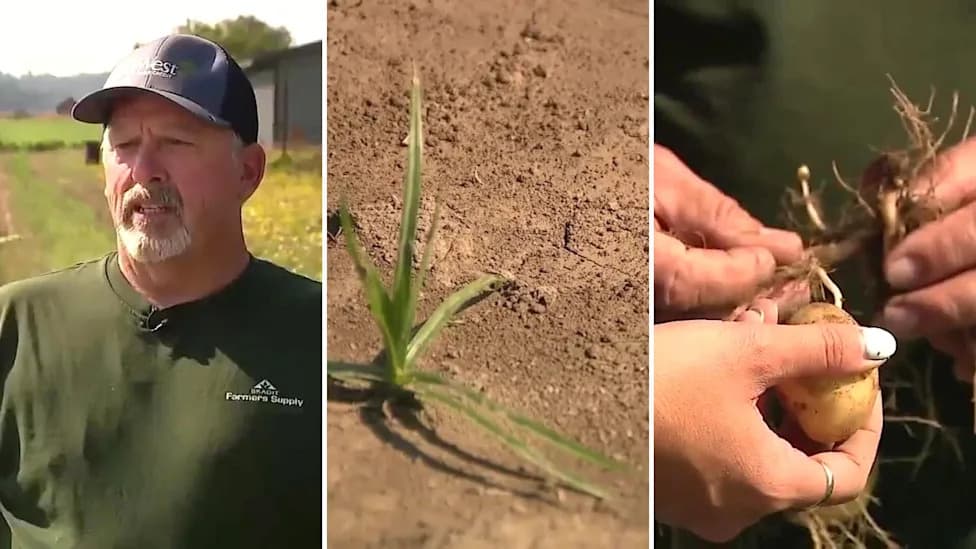
A Virginia judge has allowed Caroline County to continue eminent-domain proceedings to acquire 11 acres from farmer Cory Garrett so the county can construct a water intake on the Rappahannock River for a planned regional water system.
Caroline Circuit Court Judge Dennis Hupp refused to set aside the county's condemnation action, finding that the proposed intake and associated water treatment facility fall within the legal definition of a public use. In his written ruling he said,
"Clearly the construction and operation of a water intake and treatment facility supplying water to the general public is a public use."
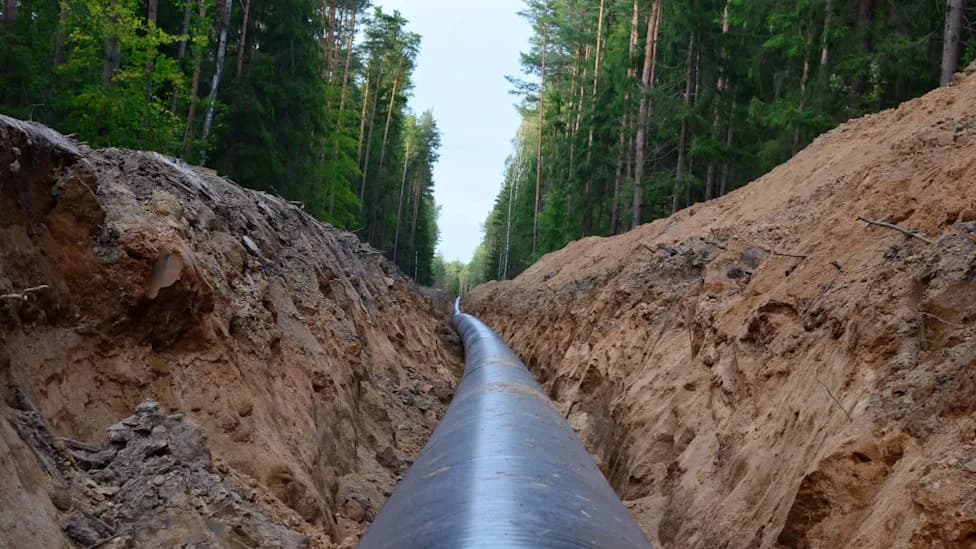
Under the county's plan, untreated water would be conveyed roughly 35 miles to a treatment plant in western Caroline County. State regulators previously approved the county's application to build the intake and to withdraw up to nine million gallons per day from the Rappahannock; earlier filings had sought authority for as much as 13 million gallons per day and mentioned "industrial cooling" before that language was removed.
Farmer Cory Garrett challenged the condemnation as premature, arguing his Tidewater Trail property was targeted before all necessary permits were in place. His attorney, Joshua Baker of Waldo & Lyle, described the July 22, 2024 taking as speculative. Judge Hupp rejected that claim, saying the county is pursuing a present project rather than merely planning for a future one. Hupp also found the county complied with Virginia law by mailing notice on July 26, 2024, and characterized the county's initial $78,400 offer as a good-faith proposal.
Caroline County Director of Public Utilities Joey Schiebel testified that regulators told the county it needed to control the intake site before permits could be issued. On the question of necessity, Hupp noted that courts generally defer to elected officials unless their actions are arbitrary, capricious, or fraudulent, and he found no evidence of such misconduct in this case.
"The county has described the need in its resolution and certainly has not acted arbitrarily or capriciously," Hupp wrote.
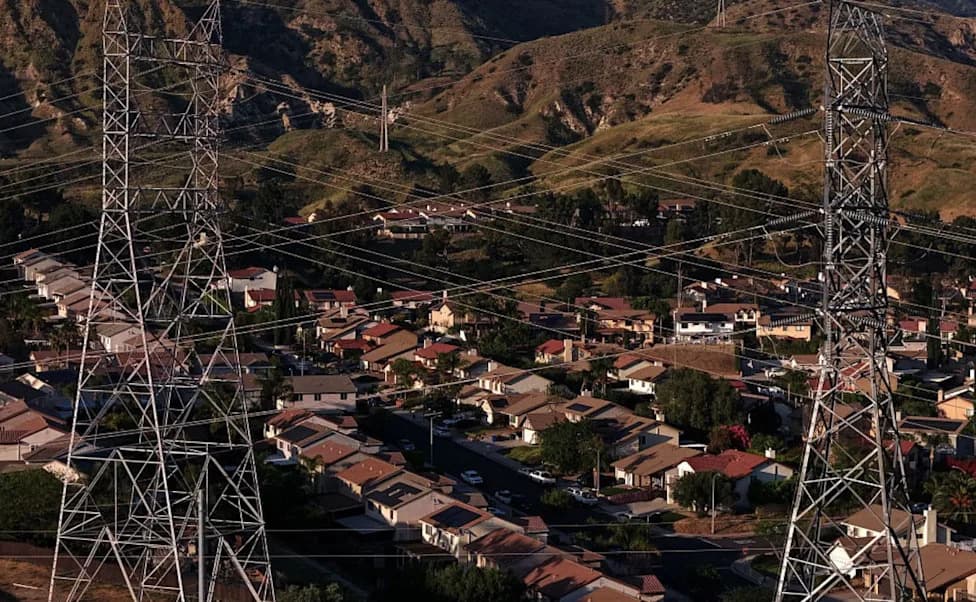
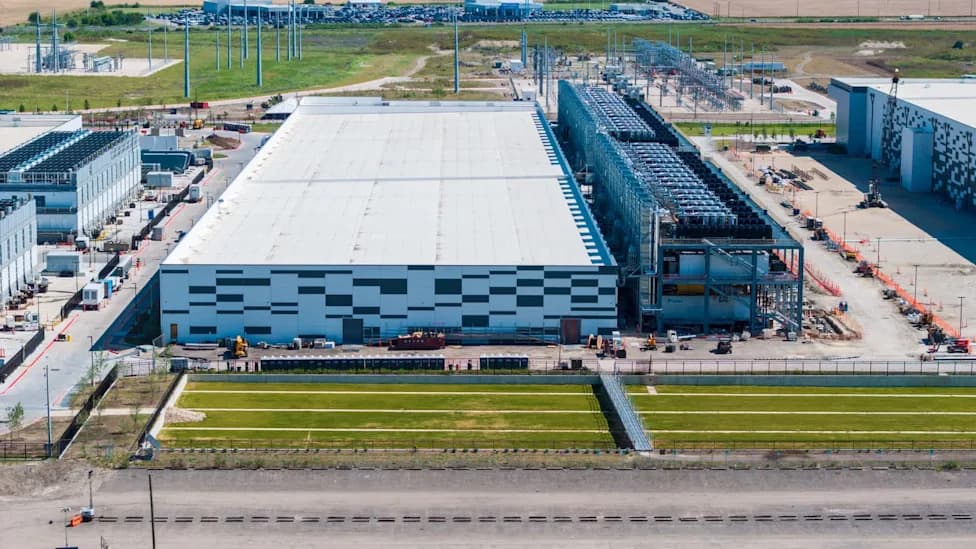
Local rules in the area prohibit data centers from using potable water for cooling, but the county's earlier inclusion of "industrial cooling" in its application and the broader prospect of new public water service have fueled public concern. Observers say new water systems can support homes and routine commerce, but they can also enable major developments—like data centers—that put additional strain on local water and electric infrastructure.
Separate lawsuits filed by the Rappahannock and Mattaponi tribes over the project remain pending and could affect the outcome. Baker may file further responses on Garrett's behalf; Garrett told the Fredericksburg Free Press that he and his family are "disappointed in the result" and are evaluating next steps.
Across the U.S., communities are debating similar issues as AI-focused data-center growth raises questions about water use, electricity demand, utility costs, and the pace of local development.
Help us improve.