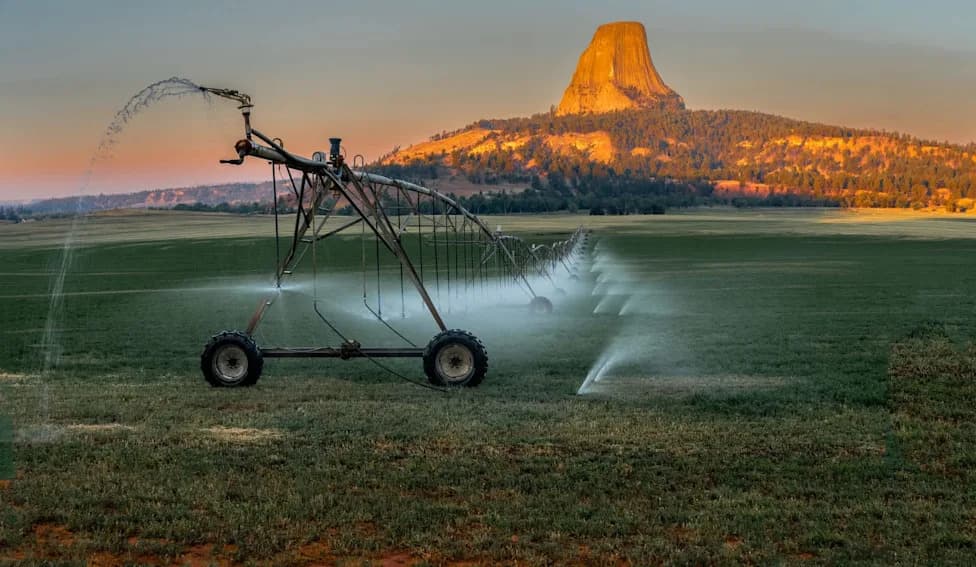
Record heat and prolonged drought across the U.S. West have pushed river temperatures to dangerous levels for trout, prompting widespread afternoon fishing bans. Colorado restricted 19 rivers (about 635.5 miles), Yellowstone extended parkwide afternoon closures, and Montana expanded limits to roughly 1,200 miles. Scientists link the trend to climate-driven changes in mountain snowpack and more frequent "river heat waves," while guides and businesses shift trips to cooler months.
Afternoon Fishing Bans Spread As Record Heat Turns Western Rivers Dangerous For Trout
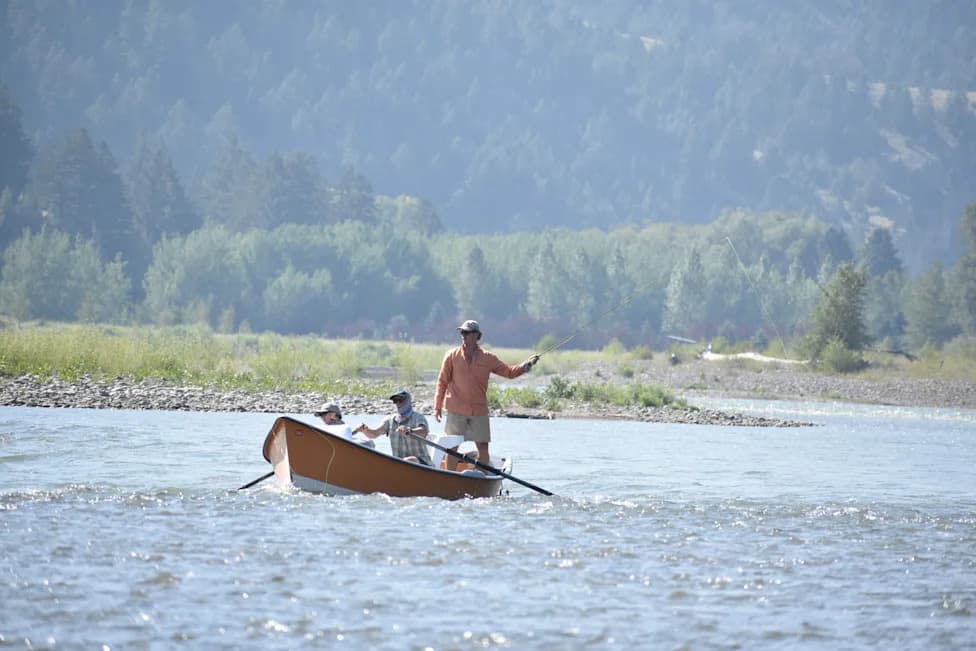
A drift boat with people fly fishing floats down the Yellowstone River, Friday, July 31, 2026, near Livingston, Montana. (AP Photo/Matthew Brown)(AP Photo/Matthew Brown)
Record summer heat and persistent drought across the U.S. West are driving river temperatures to levels that can kill cold-water fish, prompting wildlife managers to impose afternoon fishing restrictions on vast stretches of rivers.
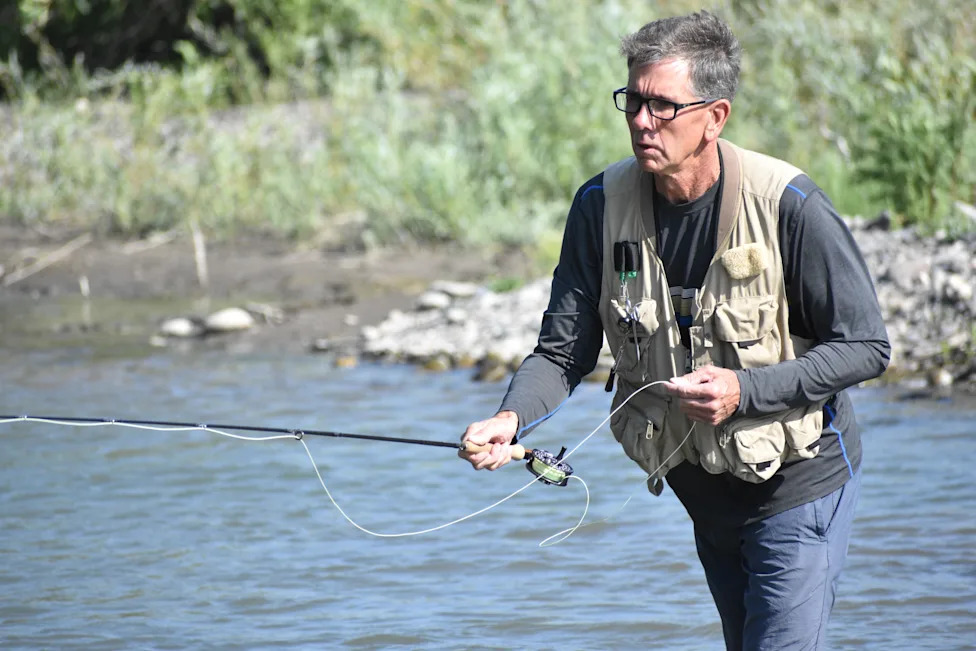
Mike Wever is seen fishing on the Yellowstone River, Friday, July 31, 2026, near Livingston, Montana. (AP Photo/Matthew Brown)(AP Photo/Matthew Brown)
Wide-Ranging Restrictions
States and federal lands have moved quickly in recent weeks. Colorado has restricted fishing on 19 rivers totaling about 635.5 miles (1,023 km), a scale officials describe as unprecedented. Yellowstone National Park expanded afternoon fishing bans to the entire park, and Montana widened its afternoon restrictions to roughly 1,200 miles (1,931 km) of rivers.
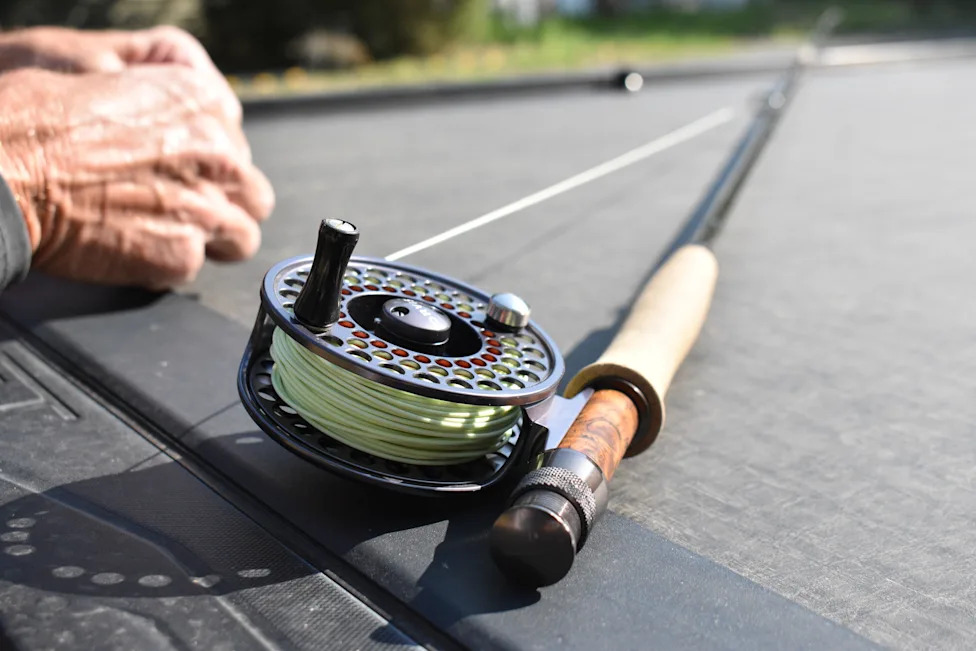
A fly fishing rod is seen on the back of a truck near the Yellowstone River, July 31, 2026, near Livingston, Montana. (AP Photo/Matthew Brown)(AP Photo/Matthew Brown)
Why Officials Are Acting
Lower flows after an exceptionally dry winter make rivers heat more rapidly. Warm water holds less dissolved oxygen and places severe stress on trout species such as rainbow, cutthroat and bull trout. Fish already weakened by high temperatures are at greater risk of dying from even brief handling or being removed from the water for a photo.
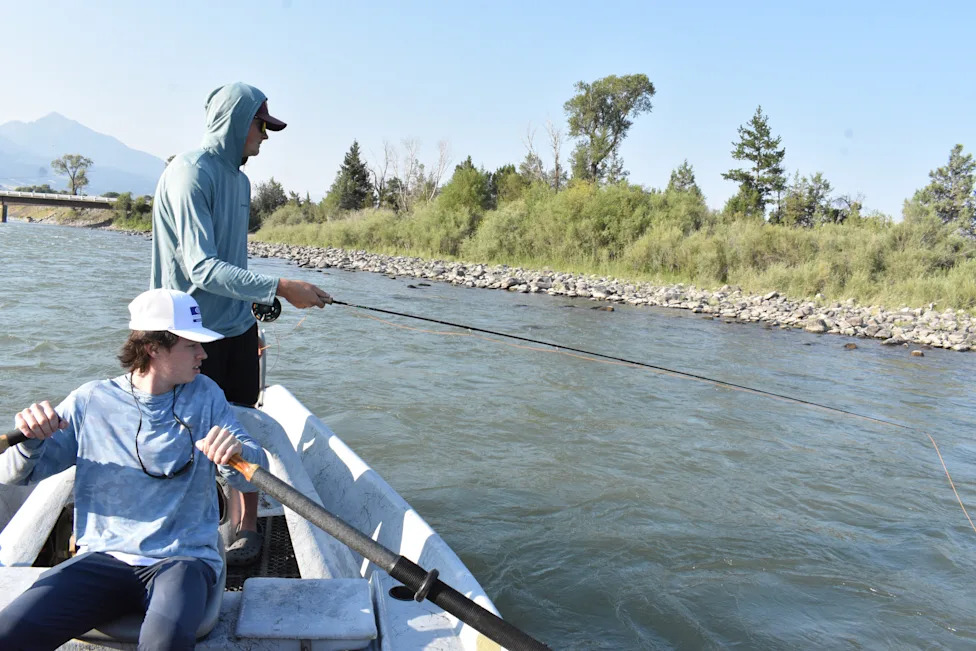
Marek Senn fishes for trout while Jase Joslin rows their boat down the Yellowstone River, Friday, July 31, 2026, near Livingston, Montana.(AP Photo/Matthew Brown)(AP Photo/Matthew Brown)
"Closures have become very common over the last decade plus, some might even say very routine from late June through early September,"
— Adam Strainer, Fisheries Division Administrator, Montana Fish, Wildlife & Parks
Local Impacts
Trout fishing supports local economies throughout the Rockies. Guides, outfitters and fishing schools report shifting trips into cooler months. Dan Gigone of Sweetwater Fly Shop on the Yellowstone said many visitors are postponing summer trips to the fall: "People are realizing August is a crapshoot here in terms of whether you're going to be able to fish and how good the fishing will be."
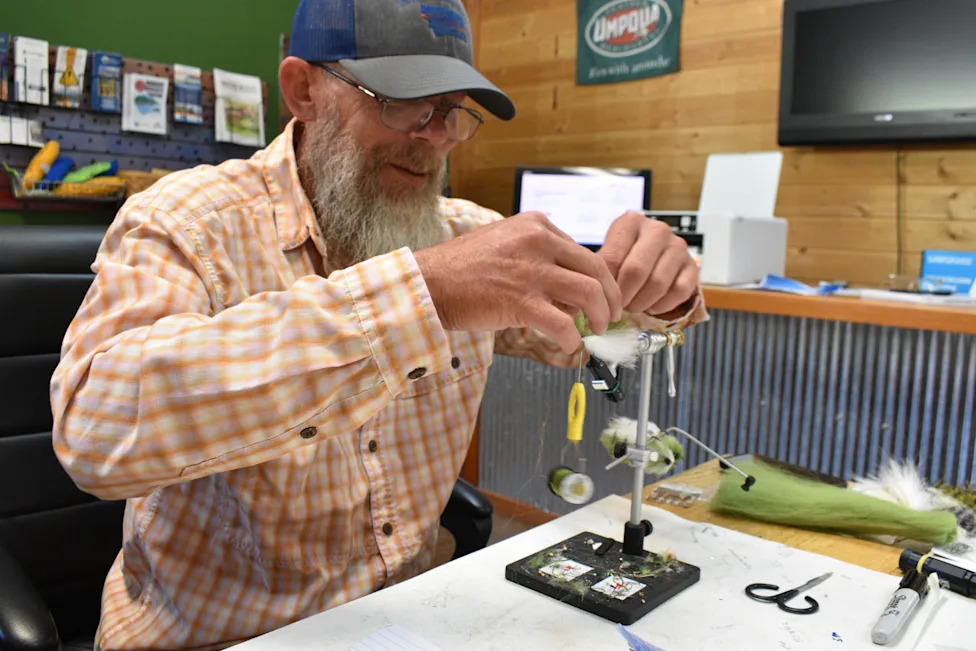
Rich Ridgeway is seen tying a lure at Sweetwater Fly Shop, July 31, 2026, in Livingston, Montana. (AP Photo/Matthew Brown)(AP Photo/Matthew Brown)
In Steamboat Springs, drought combined with mid-70s temperatures (about 23 °C) in the Yampa River resulted in a large fish kill — a stark warning for trout populations downstream. Reservoirs that normally sustain summer flows are at or near record lows in many basins, reducing their buffering effect.
Science And Wider Trends
Researchers describe increasing occurrences of "river heat waves" in snow-dominated regions such as the northern U.S. and the Rocky Mountains. Li Li, a civil and environmental engineering professor at Pennsylvania State University, says changes in the size and timing of mountain snowpack are a key driver, producing more days when rivers reach temperatures stressful to cold-water species.
Past responses offer precedents: in 2016, officials closed 183 miles (295 km) of the Yellowstone River to fishing, rafting and other activities to prevent a parasite thought to have killed tens of thousands of fish from spreading in low, warm water.
How Anglers Are Adapting
Guides and instructors are altering schedules and locations to avoid the hottest parts of summer. "The window for those trips seems to be growing narrower," said Todd Tanner of the School of Trout in Bigfork, Montana, which has shifted class dates and itineraries to reduce exposure to poor conditions.
"It's great for us to have this resource, but we have to manage it,"
— Mike Wever, visiting angler on the Yellowstone River
Outlook
With forecasts calling for more record highs as a Southwest heat wave expands into the Rockies and across the High Plains, officials say afternoon closures may remain a routine tool to protect vulnerable trout populations. Managers urge anglers to follow local rules, minimize handling of fish, and expect changing conditions throughout the season.
Help us improve.