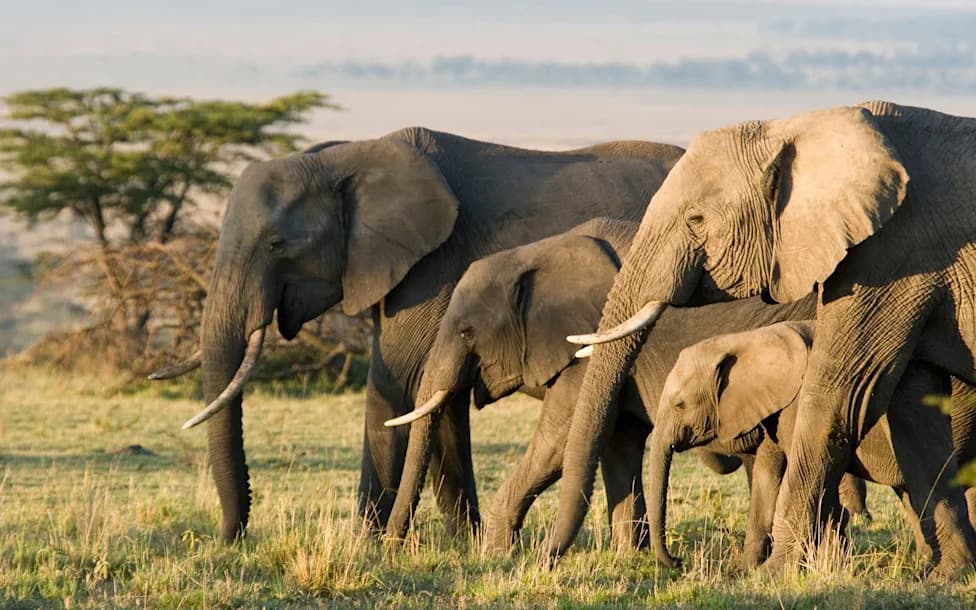
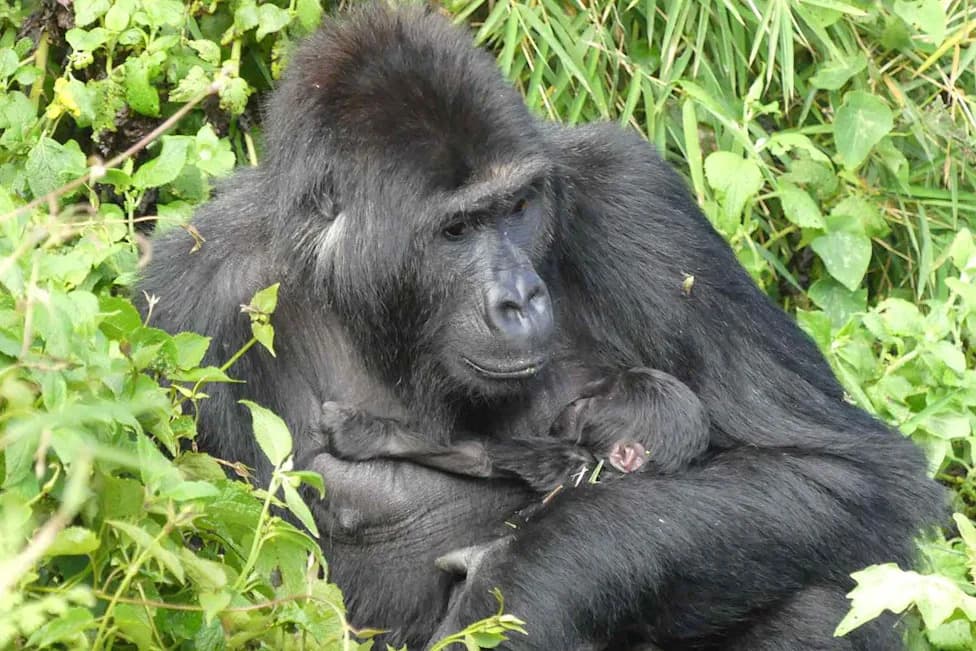
A PLOS ONE study tracked 11 formerly captive elephants released across four South African reserves and found they largely readjusted to wild life. Fecal metabolic markers showed some rewilded individuals, especially females, had slightly higher stress readings, but all values remained within normal wild-population ranges. Behaviour varied significantly by individual, underscoring the role of personality and life history. Researchers recommend larger, multi-site studies to refine humane, tailored rewilding approaches.
Released From Captivity, South African Elephants Often Readapt to the Wild, Study Finds
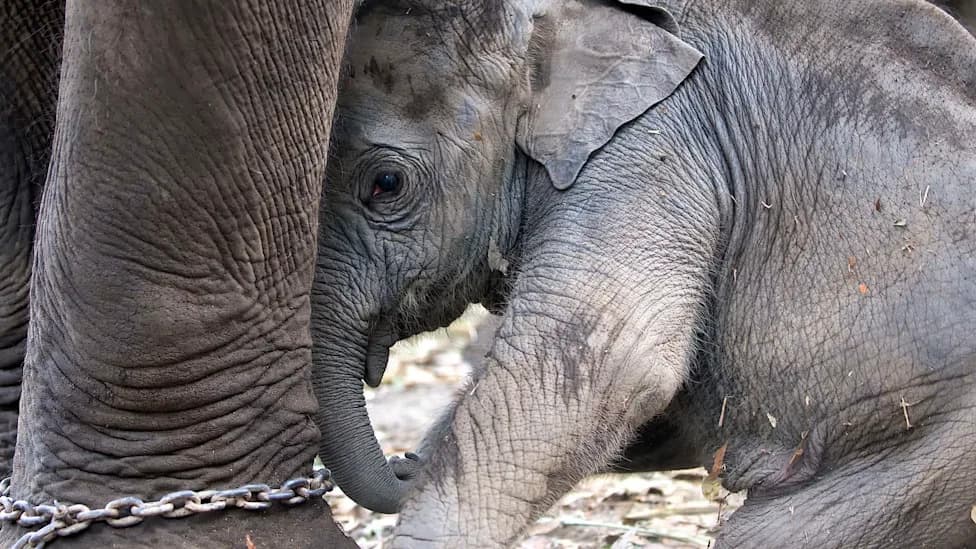
Photo Credit: iStock
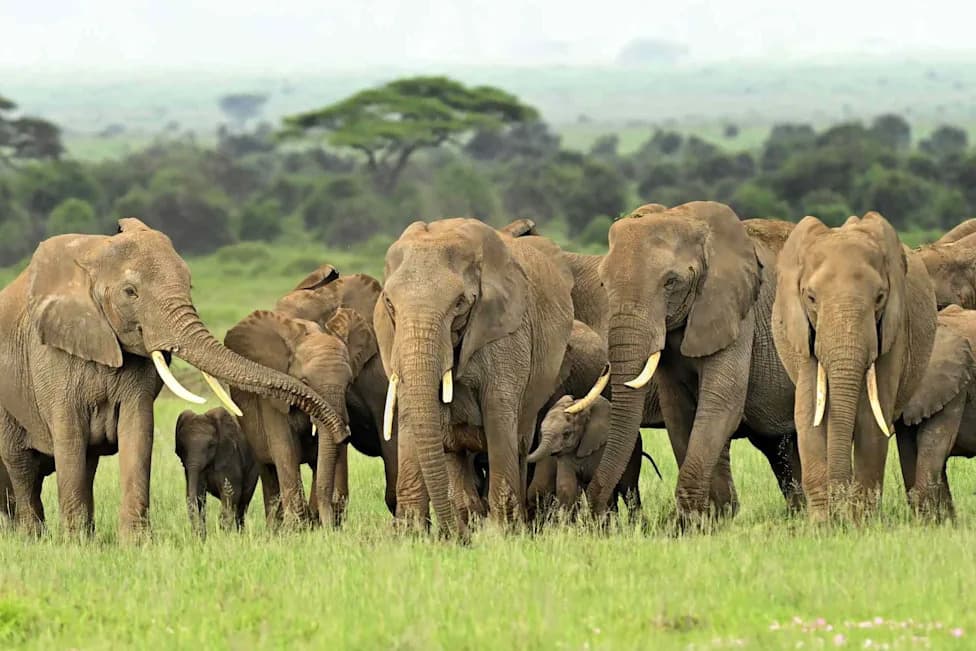
A new South African study published in PLOS ONE finds that elephants previously held in captivity can often readjust successfully after being released into natural reserves. Researchers followed 11 rewilded elephants living across four reserves and compared their behaviour and physiological stress markers with those of nearby wild elephants.
The team, led by Tenisha Roos and Tamara Eggeling of the Elephant Reintegration Trust, analyzed fecal metabolic markers to assess physiological stress and conducted behavioural observations to evaluate social and movement patterns. While some rewilded individuals—particularly females—showed slightly higher stress readings than nearby wild elephants, all values fell within the normal ranges reported for wild populations.
Key Findings
Overall, the rewilded elephants displayed behavioural and physiological patterns comparable to wild elephants, with important variation between individuals, ages and sexes. The study highlights how personality and life history influence post-release responses and suggests that rewilding outcomes are not uniform across animals.
"Overall, rewilded elephants exhibited behavioral and physiological patterns comparable to those of wild elephants, despite some individual, age and sex related differences," said Tenisha Roos. "While a few elephants showed slightly elevated stress biomarkers, all values remained within the normal range for wild populations, indicating successful adaptation with no evidence of chronic stress."
Because deliberate elephant rewilding has been uncommon in southern Africa, these 11 elephants represent an important early dataset—together they account for more than half of South Africa's rewilded elephants to date. That makes the findings a useful evidence base for conservation organisations, reserve managers and local communities considering rewilding as a welfare and conservation strategy.
The authors recommend continuing this line of research with larger samples and multi-country, multi-herd studies to understand how social dynamics, landscape, and management practices influence rewilding success. Such data will help design more humane, tailored reintroduction programmes rather than one-size-fits-all approaches.
As the paper concludes, when suitable individuals are given space, time and opportunities to rebuild natural social structures and behaviours, a history of captivity does not necessarily determine an elephant’s future in the wild.
Brett Mitchell commented that rewilded elephants "can regain full autonomy and re-establish natural patterns of movement and behavior." Eggeling added, "They are able to learn new skills, adapt to unfamiliar environments, and ultimately thrive as wild elephants."
Help us improve.