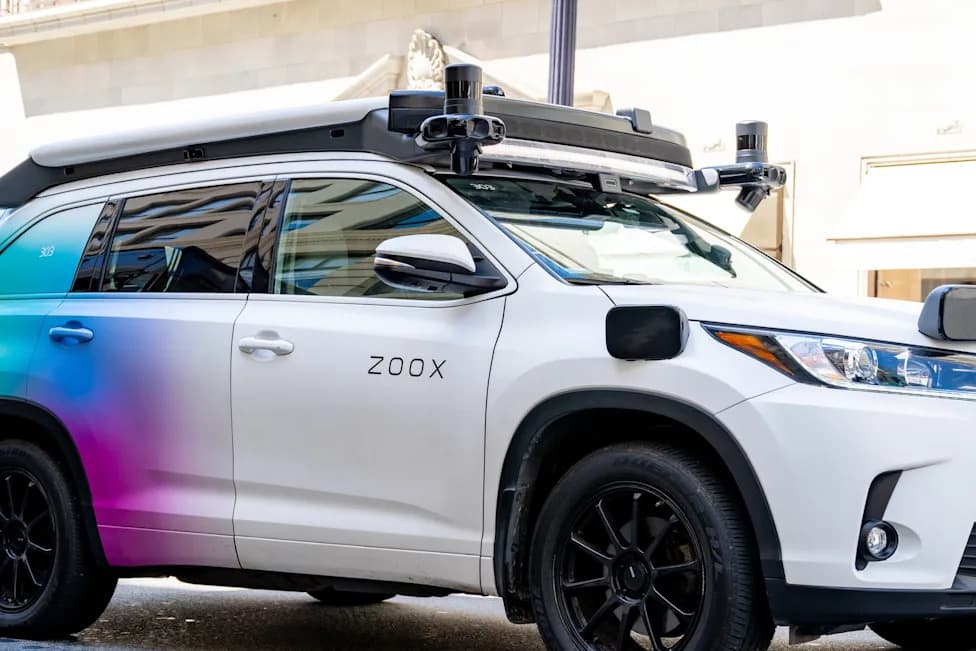
Zoox received a Part 555 exemption from NHTSA that allows its purpose‑built, wheel‑less robotaxi to carry paying passengers under strict conditions. The waiver is capped at 2,500 vehicles per year for two years, forbids private sales, and requires enhanced incident reporting. Zoox plans to begin paid service in Las Vegas next month after free trials that recorded roughly 500,000 riders and a similar‑sized waitlist. The approval creates a regulatory template for other wheel‑less AVs but is explicitly conditional on real‑world safety data.
Zoox Cleared To Charge Fares In A Wheel‑Less Robotaxi — But Only Under Strict Limits
Zoox Just Got Federal Permission to Charge You for Rides in a Car With No Steering Wheel
Zoox has won a conditional federal approval that lets its purpose‑built, wheel‑less robotaxi carry paying passengers — but only under tight limits and ongoing oversight.
What NHTSA Approved
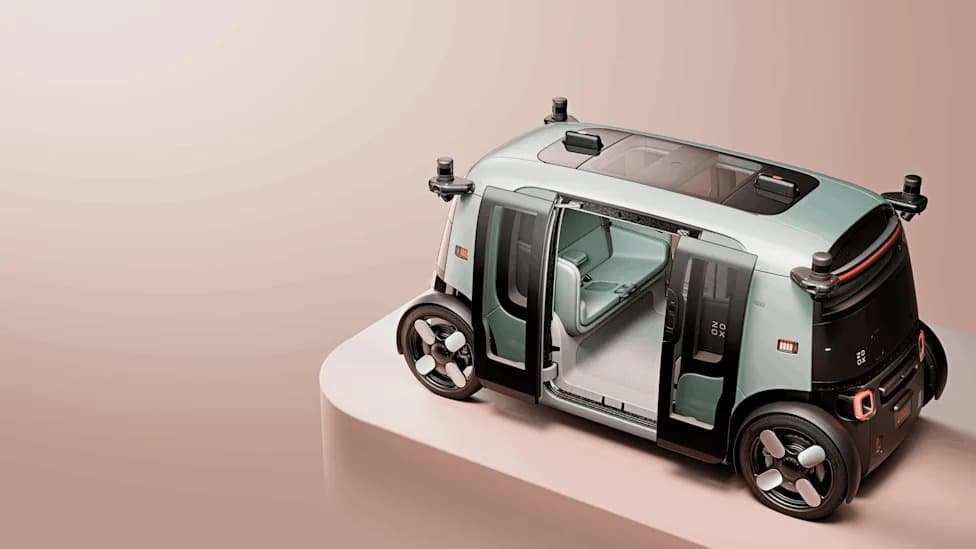
The National Highway Traffic Safety Administration granted Zoox a Part 555 exemption, a regulatory pathway that allows specific Federal Motor Vehicle Safety Standards (FMVSS) to be waived when a manufacturer demonstrates an alternative design provides equivalent safety. Zoox’s carriage‑style pod has two rows of inward‑facing seats, a 75 mph top speed and no space for a steering column, so it could not meet rules written for human drivers.
Key Restrictions And Oversight
NHTSA Administrator Jonathan Morrison said the agency concluded Zoox’s systems meet or exceed the equivalent performance of a compliant vehicle, while stressing the need to observe real‑world performance. The exemption:
- Limits Zoox to 2,500 vehicles per year for two years;
- Prohibits sales to private buyers (fleet use only);
- Requires enhanced reporting on crashes and incidents where vehicles stop in unsafe or unexpected locations;
- Allows NHTSA to revoke the exemption if safety concerns arise.
Why This Matters
Zoox plans to begin charging fares in Las Vegas next month, pending remaining state and local approvals. The company already ran free trials in Las Vegas and San Francisco that logged more than 500,000 riders and built a roughly 500,000‑person waitlist, indicating strong consumer interest. Because these vehicles operate as a commercial fleet, liability and insurance will rest with Zoox rather than individual riders or a driver — a different legal model from consumer cars with driver‑assist features.
Context And Caveats
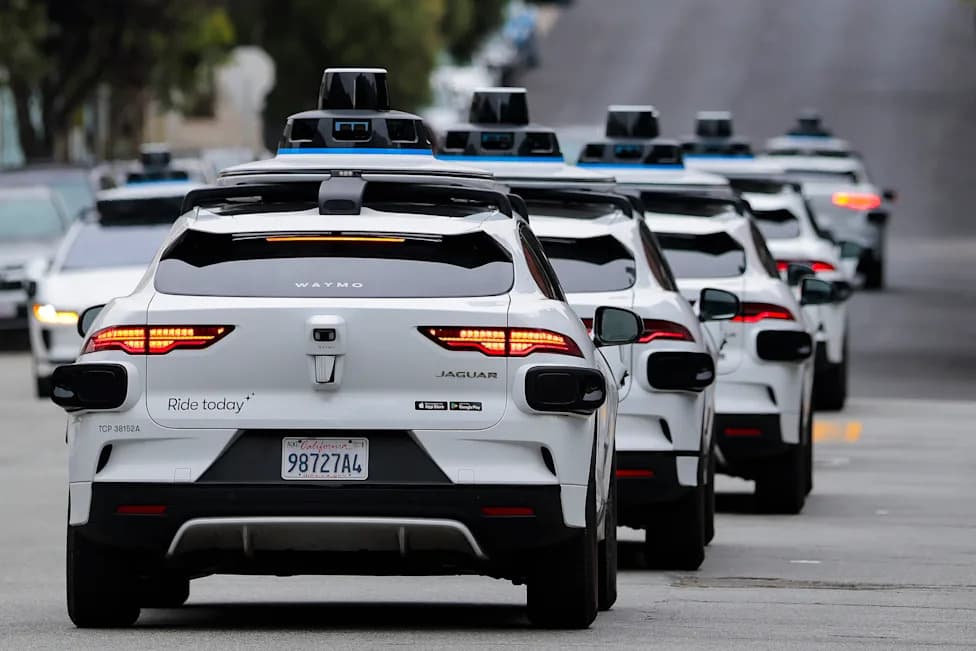
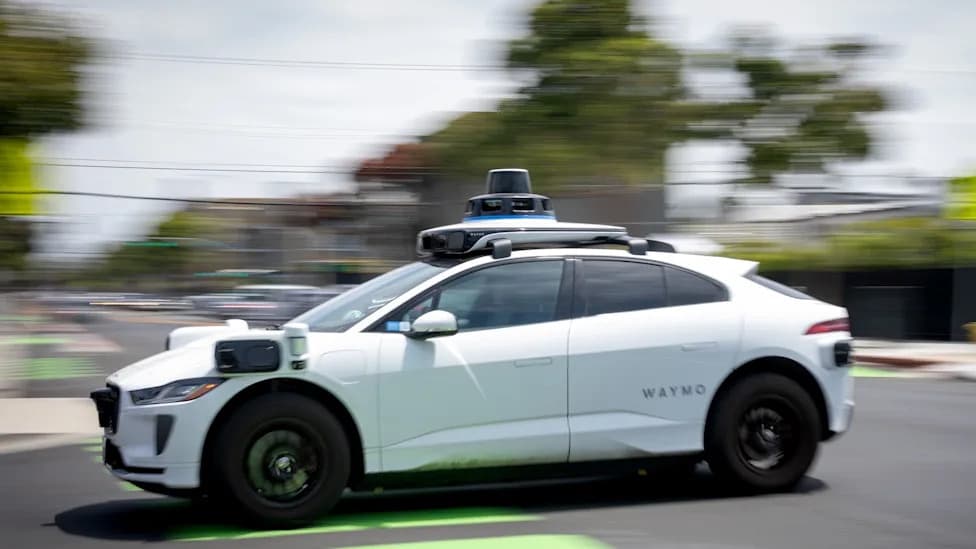
The approval is not an all‑clear on safety. Regulators have flagged operational problems across the industry — robotaxis interfering with first responders, freezing at intersections, entering construction zones, and stalling in traffic. Zoox recalled its 105‑vehicle fleet earlier to patch software related to smoke detection during emergencies, and other developers such as Waymo have experienced operational issues and recalls. NHTSA is also revising standards that assume human drivers (mirrors, brake pedals, displays) to accommodate vehicles designed without traditional controls.
Implications For The Industry
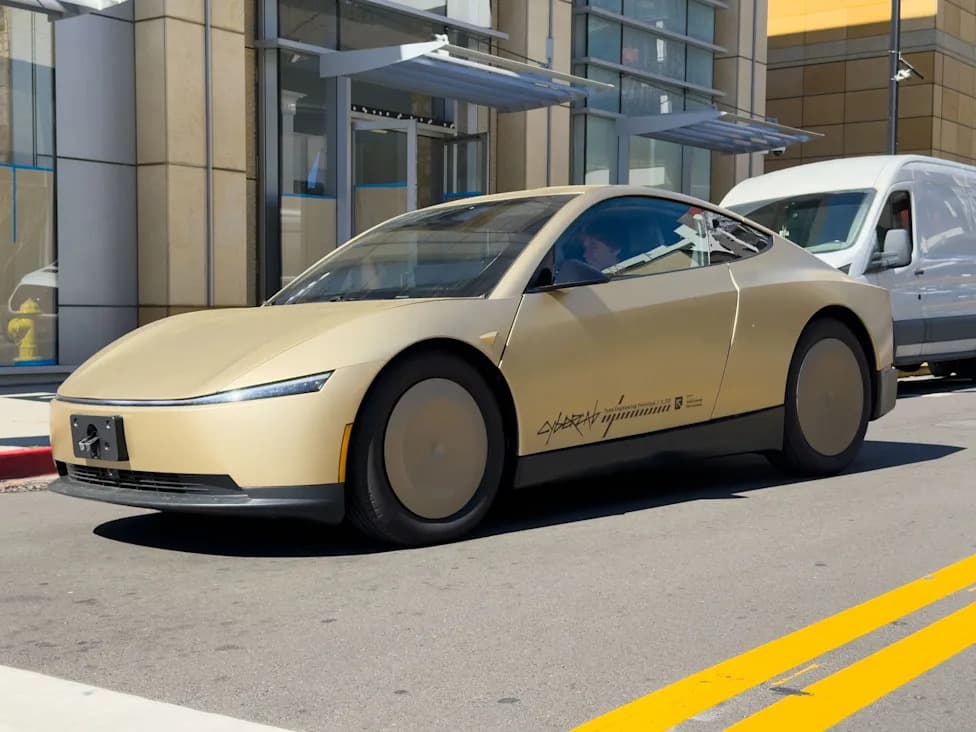
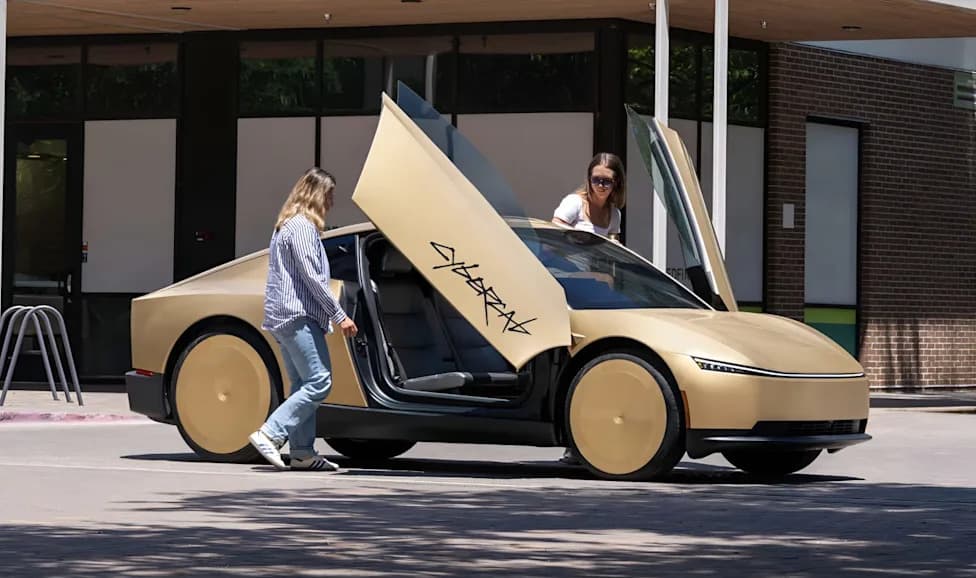
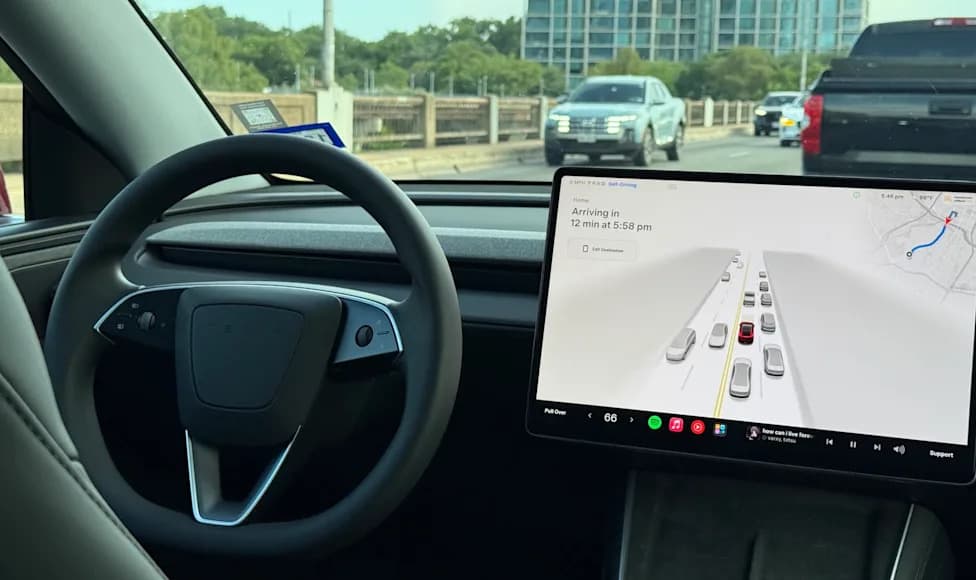
The Part 555 exemption provides a clear template for other companies building purpose‑built, wheel‑less AVs. Tesla has begun producing a Cybercab without conventional controls, but has yet to disclose how it will pursue regulatory clearance for paid service. Zoox’s approach shows the path: demonstrate equivalent safety, accept fleet caps and reporting requirements, and operate under the risk that regulators can pull the plug if real‑world data indicate problems.
Bottom line: Zoox can start charging fares in a novel wheel‑less vehicle, but the approval is a conditional, closely monitored experiment. The company’s ability to expand beyond Las Vegas or convert the temporary exemption into a permanent rule depends on the safety data NHTSA collects over the two‑year window.
Help us improve.