A U.K. study finds that converting the nation's egg sector entirely to organic free-range systems would increase emissions to about 2,553,000 tonnes CO2e versus about 1,305,000 tonnes for fully caged production. The difference is largely driven by lower laying efficiency in free-range systems, which require more birds per unit of output. Organic free-range also scored worse on land use, acidification and water eutrophication and showed higher chicken mortality, though the analysis used 2009–2010 data and omitted some environmental factors. Authors and experts call for updated, broader analyses to balance animal welfare and ecological impacts.
UK Study: Organic Free-Range Eggs Have a Bigger Climate Footprint Than Caged Production
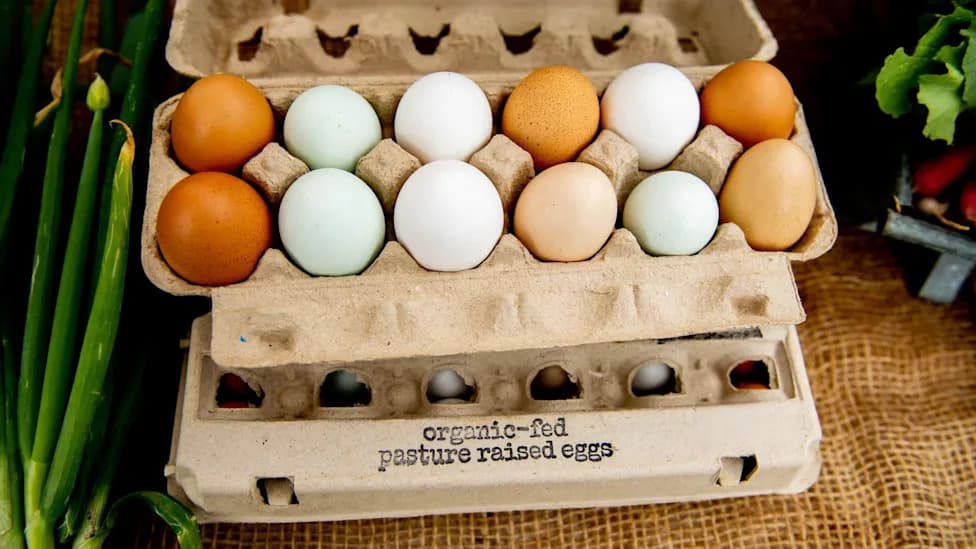
Photo Credit: iStock
A new analysis from the United Kingdom highlights a difficult trade-off in egg production: organic and free-range systems can improve hen welfare but often carry a substantially larger climate footprint than conventional caged systems.
Key Findings and Numbers
The study, published in Royal Society Open Science, estimates that a full transition of the U.K. egg sector to an organic free-range model would produce about 2,553,000 tonnes of CO2 equivalent (CO2e). By contrast, a fully caged production model was estimated to emit roughly 1,305,000 tonnes CO2e. The authors also estimated that the U.K.'s current mix of production methods emits about 1,586,000 tonnes CO2e.
Why Emissions Differ
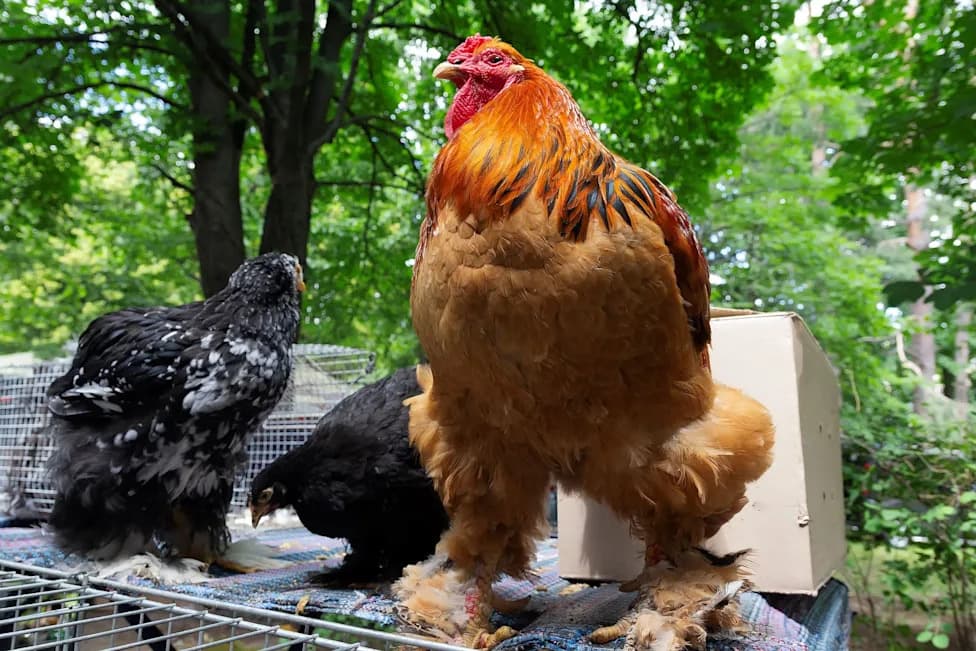
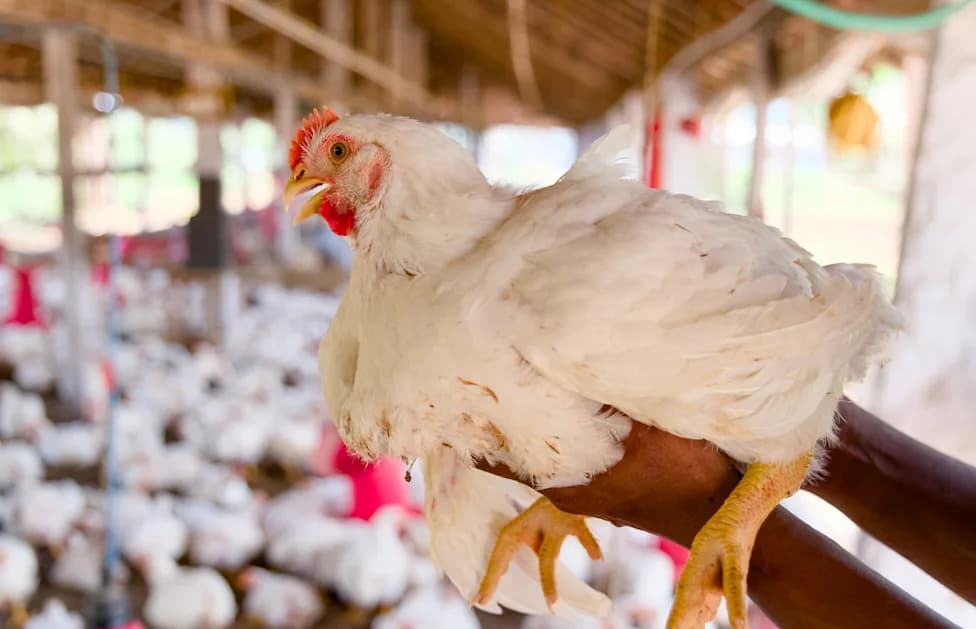
Dr. Harriet Bartlett, a senior research associate at Oxford University's Smith School of Enterprise and the Environment and a co-author of the paper, said the difference is largely driven by efficiency: hens in many caged systems lay more eggs per bird, while organic free-range systems typically require more birds to produce the same volume of eggs, increasing resource use and emissions per unit of output.
"We found an important trade-off," Bartlett said. "Systems generally regarded as being better for animal welfare, like organic and free-range, can actually require more birds to produce the same amount of eggs because they're less efficient and they can have higher environmental impacts."
Other Environmental and Welfare Outcomes
Beyond greenhouse gas emissions, the study found that organic free-range production scored worse on land use, acidification, and water eutrophication, and recorded the highest rates of chicken mortality among the systems compared. These results underscore that different sustainability goals (climate, biodiversity, animal welfare, water quality, soil health) can point to different preferred practices.
Limitations and Cautions
The authors cautioned that their farm-level data come from 2009–2010 and that the analysis omitted some environmental dimensions, notably pesticide use and direct biodiversity impacts. Dr. Bartlett emphasized that organic systems could perform better on measures not covered by the study, such as reduced synthetic-input toxicity and on-farm biodiversity benefits, and called for updated analyses using recent data and a broader set of indicators.
Lee Holdstock, head of regulatory and trade affairs at Soil Association Certification (not part of the study), welcomed the attention to trade-offs and noted the research offers an incomplete picture. He highlighted additional concerns such as soil health, water quality, the use of synthetic inputs and wider effects on nature. Soil Association standards require continuous daytime access to a vegetated outdoor range for organic hens — a welfare-focused rule that does not automatically predict every environmental outcome.
Implications
Eggs are a staple food in many diets, so even modest per-egg differences in environmental impact can scale into large effects at the national or global level as consumption rises. The study does not present a simple verdict for consumers or policymakers; instead it calls attention to trade-offs and the need for more up-to-date, multi-dimensional assessments to guide both farming practice and consumer choice.
Help us improve.