The US–Saudi civilian nuclear agreement, announced amid the 2026 Gulf conflict, has renewed debate about whether Riyadh might ever weaponize a civilian programme. Historically, US pressure and Saudi Arabia’s deep economic ties discouraged nuclear weapons development; the 1988 Chinese missile purchase and subsequent US leverage reinforced that constraint. Since 2015, leadership changes, missile developments and doubts about US security guarantees have shifted the calculus, making a civilian programme as a latent deterrent more likely. However, such a programme would do little to deter irregular, proxy‑style attacks.
Will Saudi Arabia Seek Nuclear Weapons? What Recent History Suggests
OnePixelStudio/Shutterstock
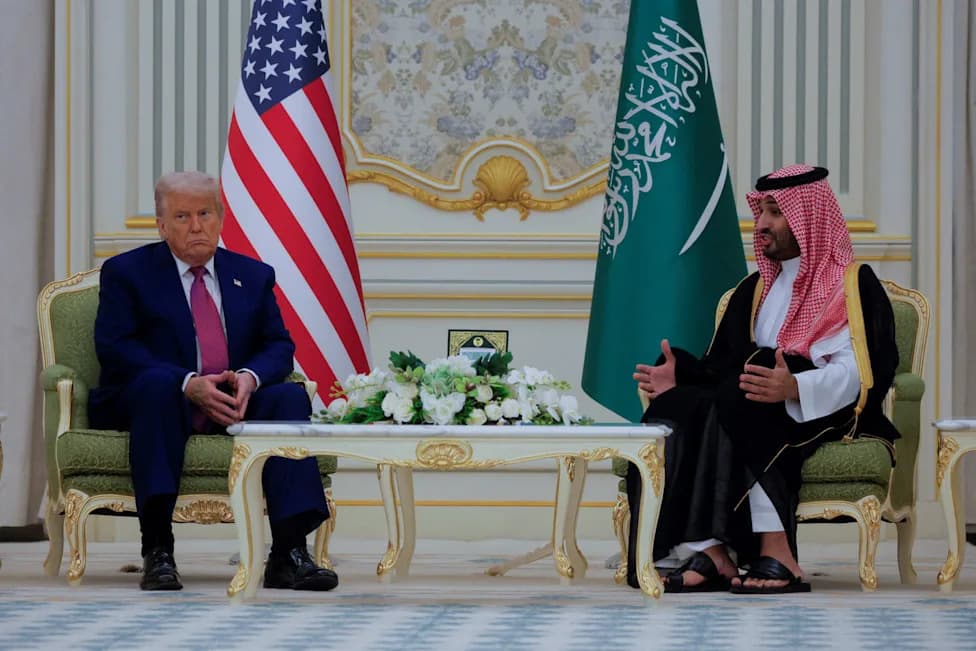
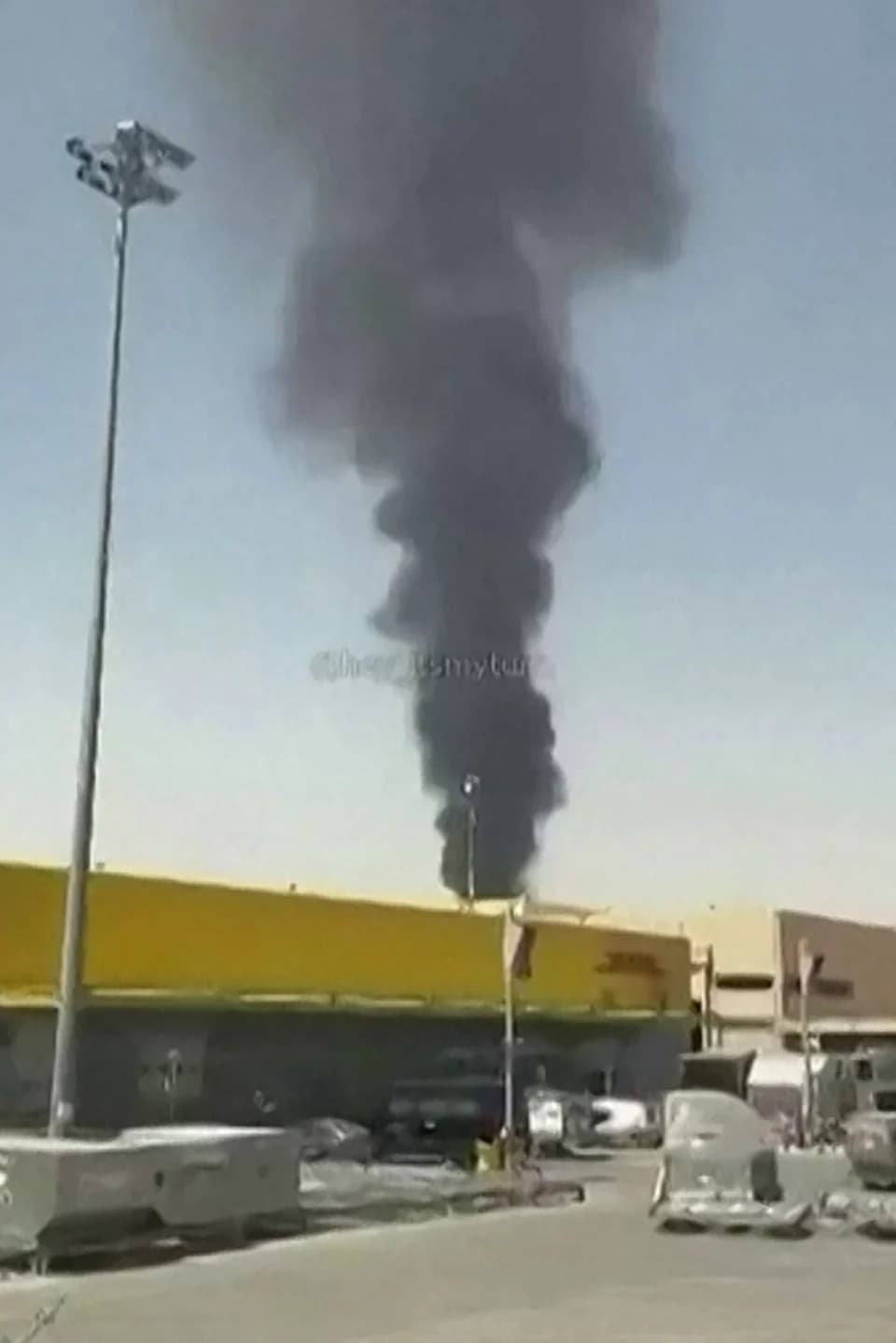
The US–Saudi civilian nuclear agreement was announced in the midst of what, by 2026, has become America's Third Gulf War. The announcement coincided with joint US–Saudi air strikes against Iranian‑backed militias in Iraq after alleged drone attacks on Saudi oil facilities, raising renewed questions about whether a civilian nuclear programme could ever evolve into a weapons capability.
Why Saudi Arabia Historically Avoided Nuclear Weapons
For decades Riyadh showed little appetite for nuclear weapons. Two powerful constraints explained that stance: persistent US pressure and Saudi Arabia's deep economic integration into global markets. The Kingdom has had the financial resources to pursue nuclear technology, but historically lacked the domestic industrial base and scientific infrastructure needed to build weapons. It is also a signatory of the UN Non‑Proliferation Treaty (NPT).
A key precedent dates to 1988, when Saudi Arabia purchased nearly 50 CSS‑2 missiles from China after the United States refused a missile sale. US anger over that transaction produced intense American diplomatic pressure for Riyadh to sign and ratify the NPT and to agree not to seek nuclear warheads for those missiles. That episode established a durable assumption: Washington's stance would deter Saudi ambitions for nuclear arms.
Shifts Since 2015 That Altered the Calculus
The balance began to change after 2015. King Abdullah's pragmatic regional posture gave way to Crown Prince Muhammad bin Salman's (MBS) more assertive approach. MBS intervened militarily in Yemen, escalated rivalry with Iran, and publicly warned in March 2018 that Saudi Arabia would pursue a bomb if Iran did. In November 2018 he announced plans for the kingdom's first nuclear research reactor—signals that raised concern.

International politics also shifted. The 2015 Iran nuclear deal under the Obama administration had signalled a US willingness to accommodate Tehran, a posture that worried Riyadh. Under the Trump administration, some officials pushed to accelerate transfers of US civilian nuclear technology to Saudi Arabia—an effort later criticised in congressional inquiries. Those developments, combined with perceived faltering of US commitments, increased Saudi doubts about the reliability of American security guarantees.
Missiles, Attacks and the Limits of Deterrence
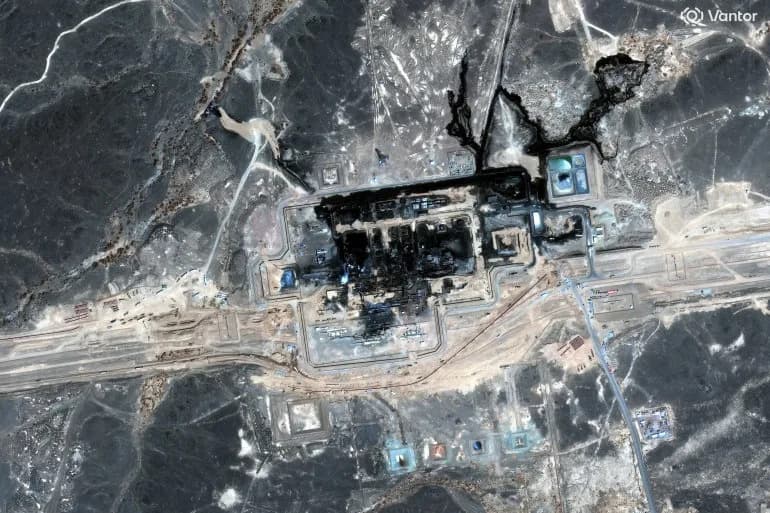
Revelations in January 2019 about a missile‑production site in Saudi Arabia suggested growing missile capabilities—important because delivery systems are central to any weapons programme. The September 2019 strikes on Saudi Aramco facilities in Abqaiq and Khurais, widely attributed to Iran via allied militias, underscored a more immediate problem: non‑state actors aligned with Iran can inflict strategic damage while providing Tehran with plausible deniability.
Those attacks, together with uneven US responses, heightened Riyadh's incentive to pursue latent capabilities. But they also illustrated a core limitation: a civilian nuclear programme—or even a latent weapons infrastructure—would do little to deter irregular militias or proxy forces that carry out asymmetrical attacks.
Where Things Stand After the 2026 War
In the aftermath of the 2026 conflict, Saudi leaders appear more likely to pursue an expanded civilian nuclear capacity as a form of latent deterrent rather than an overt weapons programme. Such a civilian programme could provide technical and industrial foundations that shorten a breakout timeline if political leadership chose to move in a weapons direction—but doing so would carry enormous diplomatic, economic and security costs.
Bottom line: Historical restraints—US pressure, economic interdependence and limited domestic infrastructure—have long discouraged Saudi pursuit of nuclear arms. Recent political shifts, missile developments and doubts about US guarantees have narrowed that margin of restraint, making a civilian nuclear programme as a latent deterrent more plausible today, though not a guaranteed step toward weapons.
Author and source: This analysis is based on the original article published in The Conversation and the author’s prior research on Saudi nuclear intentions. The original piece was written by an academic expert and first appeared on The Conversation, a non‑profit site that shares expert analysis.
Help us improve.