
US Ambassador to the UN Mike Waltz said American negotiators once offered to sell uranium to Iran for civilian use, comparing the proposal to the US‑UAE civil nuclear arrangement. Waltz said the Trump administration would allow a civilian Iranian programme so long as Iran met NPT obligations and surrendered or otherwise lacked access to highly enriched material. The article reviews Iran's enrichment levels (about 440 kg at ~60% purity), the JCPOA cap of 3.67%, IAEA concerns about inspection access since June 2025, and recent escalatory rhetoric from both Washington and Tehran.
US Officials Say Negotiators Offered Iran Uranium for Civilian Use — A Contentious Claim
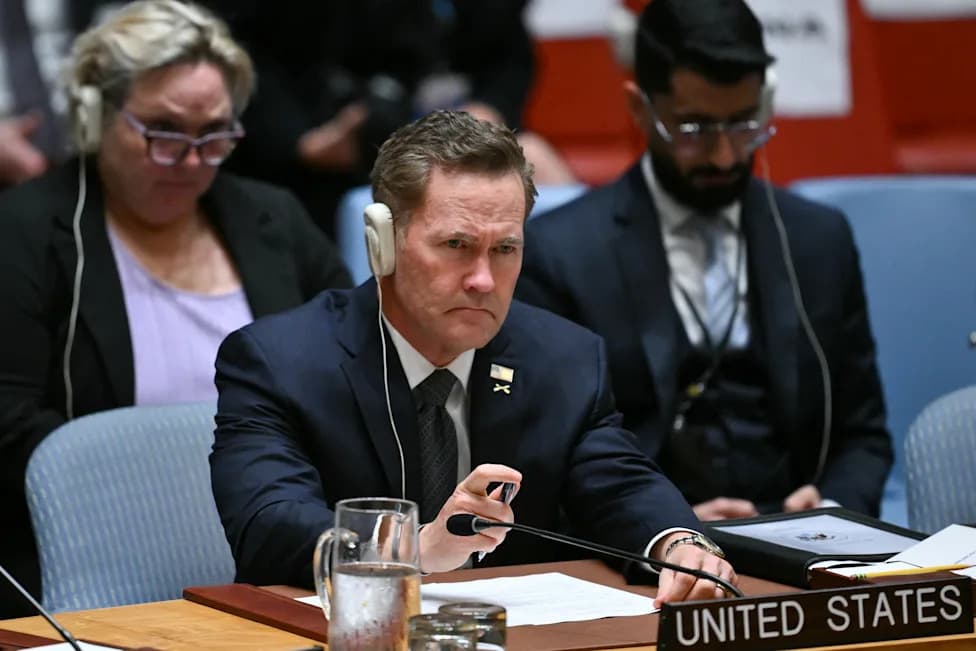
Mike Waltz, the United States ambassador to the United Nations, listens during a UN Security Council meeting during the 81st UN General Assembly, in New York City on September 23, 2026 [File: Angela Weiss/AFP]
US Ambassador to the United Nations Mike Waltz told NBC's Meet the Press that during earlier negotiations to end hostilities, American negotiators even offered to sell uranium to Iran for a civilian nuclear programme — a proposal he compared to the US-UAE civil nuclear agreement.
Waltz's Claim
"Heck, our negotiators even offered to sell them uranium," Waltz said, adding that the Trump administration was willing to allow Iran a civilian nuclear programme if Tehran met its international obligations under the Nuclear Non‑Proliferation Treaty (NPT) and agreed to measures that would prevent access to highly enriched uranium.
Waltz said the proposed arrangement would have resembled the 2009 US‑UAE framework, under which the UAE operates a civilian nuclear programme while forgoing domestic enrichment and reprocessing and submitting to international inspections.
Regional Nuclear Context
The article notes contrasts across the region: the UAE and other states such as Egypt and Turkey operate civilian nuclear programmes under various safeguards, while Pakistan maintains an open nuclear arsenal and Israel is widely believed to possess a covert arsenal. Neither Pakistan nor Israel are party to the NPT.
Uranium, JCPOA And Enrichment Levels
Experts estimate Iran currently holds over 440 kg of uranium enriched to roughly 60% purity; by comparison, about 90% enrichment is typically considered weapons‑grade. Enrichment separates fissile isotopes and is a technically demanding process.
Under the 2015 Joint Comprehensive Plan of Action (JCPOA), Iran agreed to limit enrichment to 3.67% under robust international oversight in exchange for sanctions relief. The United States withdrew from the JCPOA in 2018 under President Donald Trump, who said the deal was too lenient.
IAEA Access And Inspection Concerns
On September 10, the International Atomic Energy Agency (IAEA) expressed concern about Iran's "continued noncompliance" with its NPT safeguards obligations. The agency has reported it has not had access to key Iranian nuclear facilities since June 2025, after Israeli and US strikes on sites during a 12‑day conflict, according to reports.
Iranian officials have dismissed the IAEA assessment as politically motivated, saying they continue to uphold treaty commitments but will not permit inspections until facilities can be guaranteed safe from further attacks.
Escalating Rhetoric And Recent Moves
President Trump has at times threatened to seize or destroy Iran's enriched uranium; in April he claimed Iran had been persuaded to hand over material he called "nuclear dust," a claim Tehran denied. The White House also rejected an Iranian proposal to reopen the Strait of Hormuz on a seven‑day timetable, with President Trump saying Iran sought an immediate reopening only because it was "losing so badly," a comment at odds with Tehran's insistence that diplomacy is the only solution.
Iran's foreign minister, Abbas Araghchi, told Meet the Press he believed diplomacy had little immediate value from Tehran's perspective but said he would continue to pursue talks "because we shouldn't miss any chance for peace," while warning Iran was prepared for war to resume "even if it comes to a doomsday war."
What This Means
The report highlights the complexity of negotiating civilian nuclear arrangements that also prevent weapons proliferation. Claims about offering uranium to Iran underscore the range of options discussed in past talks, while continuing disputes over inspections, enrichment levels and regional security risks keep the issue a flashpoint for renewed tensions.
Help us improve.





















