President Volodymyr Zelensky says Ukrainian drones could surpass 4,000 km by 2026 and reach up to 5,000–10,000 km by 2027, potentially covering Russia’s territory. Kyiv and Washington are discussing joint production, technology transfer and U.S.-based manufacturing, with initial testing agreements already signed. Major technical and industrial hurdles remain — including propulsion, secure communications, navigation, endurance and protection from electronic warfare — and timelines depend on funding and successful operational testing.
Ukraine Seeks U.S. Drone Factory as Zelensky Announces Ambitious 4,000–10,000 km Range Targets

Credit: ABC News
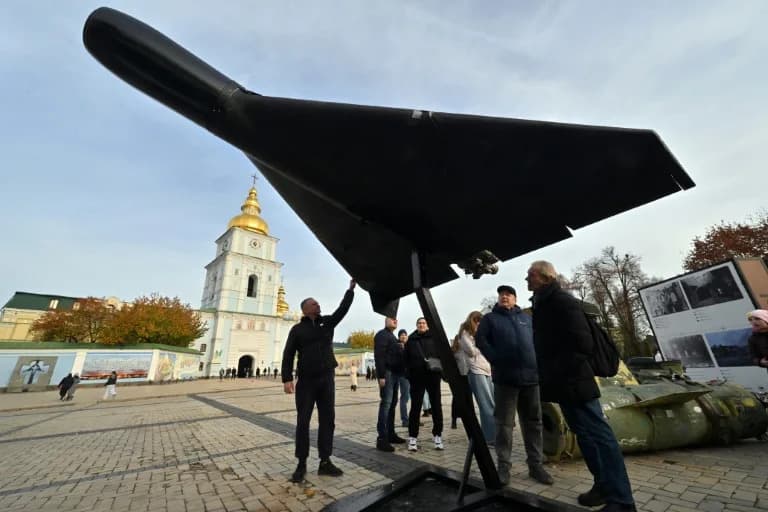
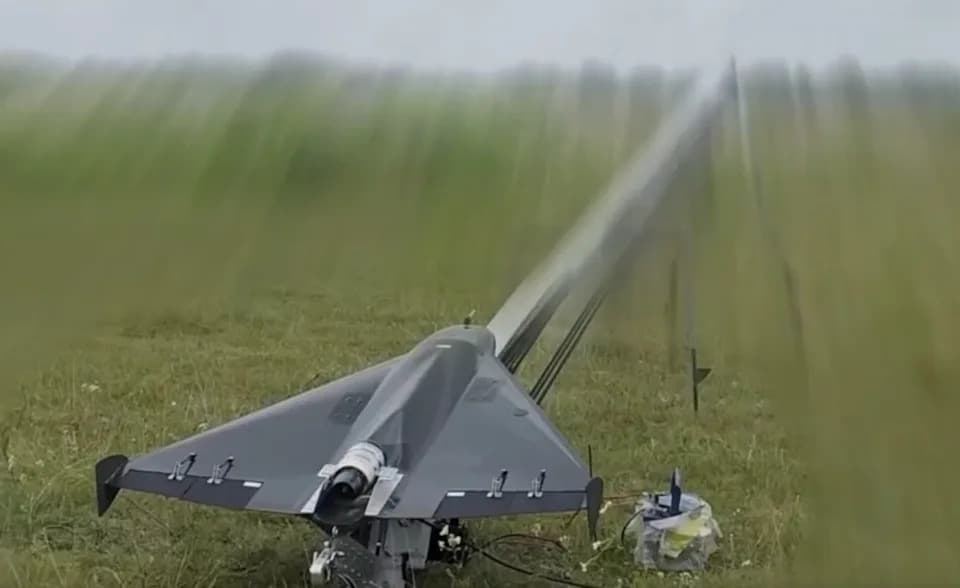
Ukrainian President Volodymyr Zelensky has outlined ambitious plans for dramatically extending the operational range of Ukrainian drones, saying some platforms could exceed 4,000 km by 2026 and potentially reach between 5,000 km and 10,000 km by 2027.
Those comments, made in a recent interview with American commentator Laura Loomer, come as Kyiv and Washington quietly advance talks on joint production, technology sharing and testing arrangements — including proposals to establish drone production capacity on U.S. soil.
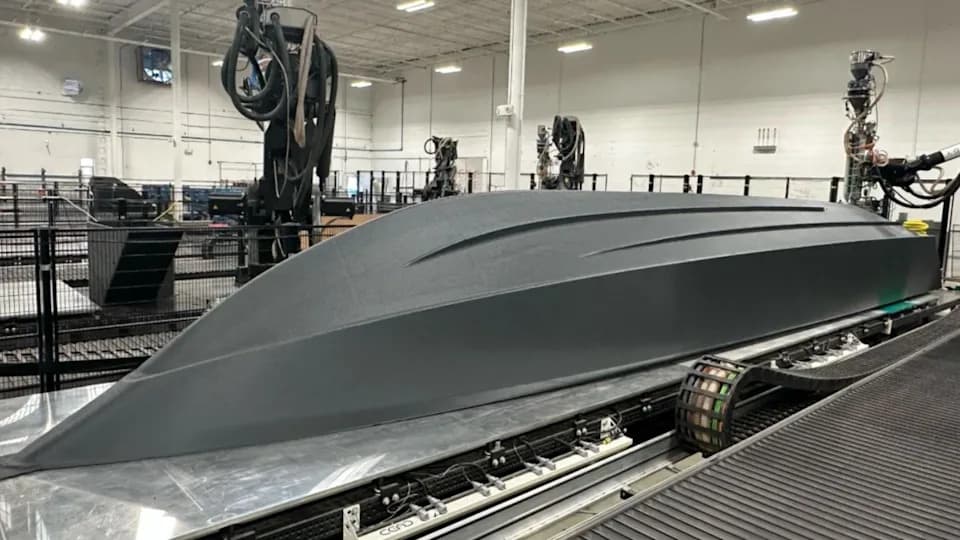
Planned U.S. Cooperation And Factory Talks
Officials say the two governments have completed an initial set of agreements, and that additional documents are being prepared to enable testing and future industrial cooperation. The discussions reportedly cover joint production, transfer of technical know-how, testing protocols and the development of production lines for advanced unmanned systems.
"We're going to build a great factory," Zelensky said, describing plans for production lines that could support future drone manufacturing.
Operational Scope And Battlefield Experience
At the extreme end of Kyiv’s stated ambitions, a 10,000 km capability would allow drones to reach across Russia’s territory and travel distances comparable to Kyiv–San Francisco. Kyiv’s experience over the past years — deploying aerial drones, naval unmanned systems and deep-strike platforms — is a central justification for pursuing such next-generation capabilities.

Google logo on a black background next to text reading 'Click to follow TechRadar'
Technical And Practical Challenges
Experts caution that increasing range by thousands of kilometres is not only a matter of extending fuel or battery life. Achieving reliable, long-range strike capability requires major progress in propulsion, secure long-distance communications, satellite connectivity, navigation, endurance, and protection against electronic warfare and jamming. Robust command-and-control, redundancy, and resilience against cyber and EW threats are essential.
Other practical constraints include securing funding, scaling manufacturing capacity, and completing demanding operational tests under realistic conditions. Even with signed test permits for aerial and maritime Ukrainian systems in the U.S., moving from trials to mass production will be complex and time-consuming.
Outlook
Kyiv’s timeline underscores strong political will to expand its unmanned strike options and deepen industrial ties with the United States and European partners. However, whether the technology and industrial base can meet the 2026–2027 targets remains uncertain and will depend on technical breakthroughs, financing, and successful large-scale testing.
Credit: ABC News; translated and summarized from ViaNV reporting.
Help us improve.