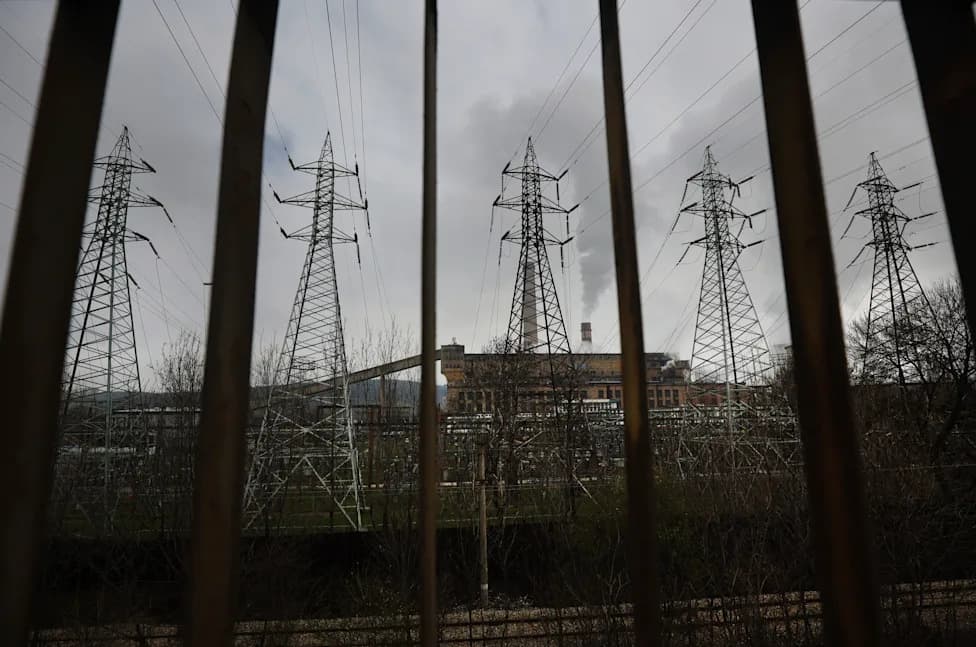
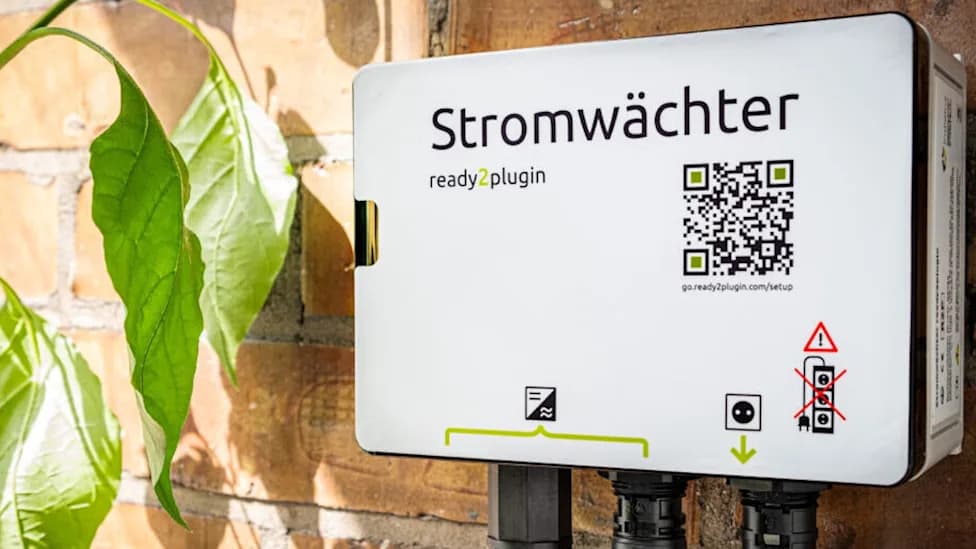
FCC Adds Foreign-Made Connected Power Inverters To Covered List: The FCC placed "connected power inverters produced in foreign countries" on its Covered List, generally blocking new foreign-made models from U.S. approval. Existing models that already have FCC authorization can still be sold and used, limiting immediate disruption. Analysts warn that future restrictions could slow project timelines, raise costs, and narrow equipment choices as policymakers balance clean-energy deployment with national security and cybersecurity concerns.
U.S. Bars New Foreign-Made Power Inverters — Potential Ripple Effects for Solar, Wind and Battery Projects
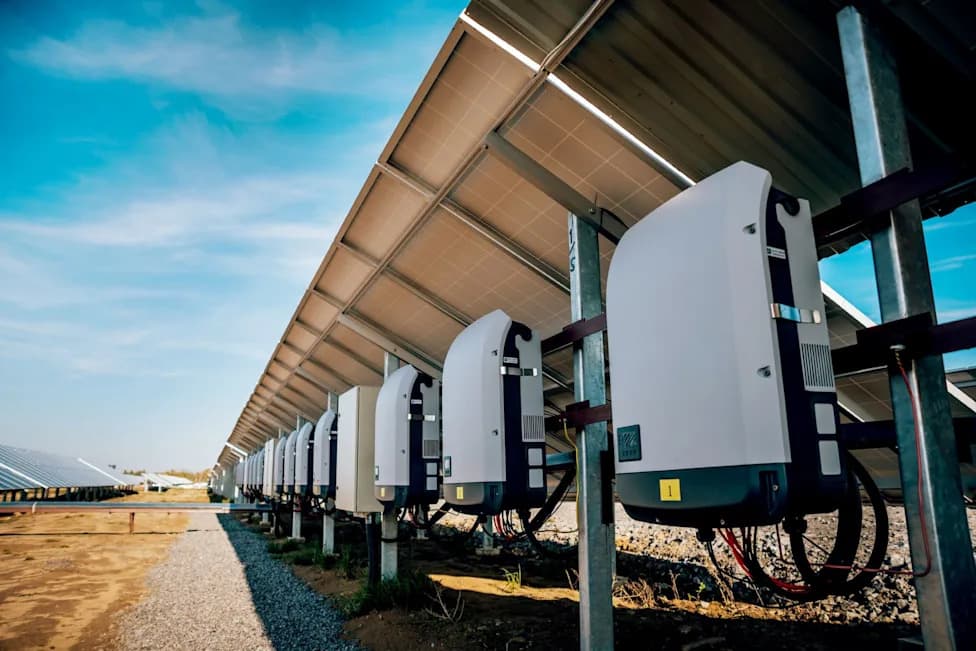
Photo Credit: iStock
A recent Federal Communications Commission decision to add "connected power inverters produced in foreign countries" to its Covered List could reshape part of the U.S. clean-energy supply chain. The change effectively blocks new foreign-made inverter models from receiving the FCC approvals needed for import, marketing, or sale in the United States.
What the Rule Does
The FCC said the move followed a White House-convened interagency determination that certain foreign-made inverters "pose unacceptable risks to the national security of the United States or the safety and security of United States persons." By placing these devices on the Covered List, the FCC will generally deny future approvals required to bring new models into U.S. markets.
Why Inverters Matter
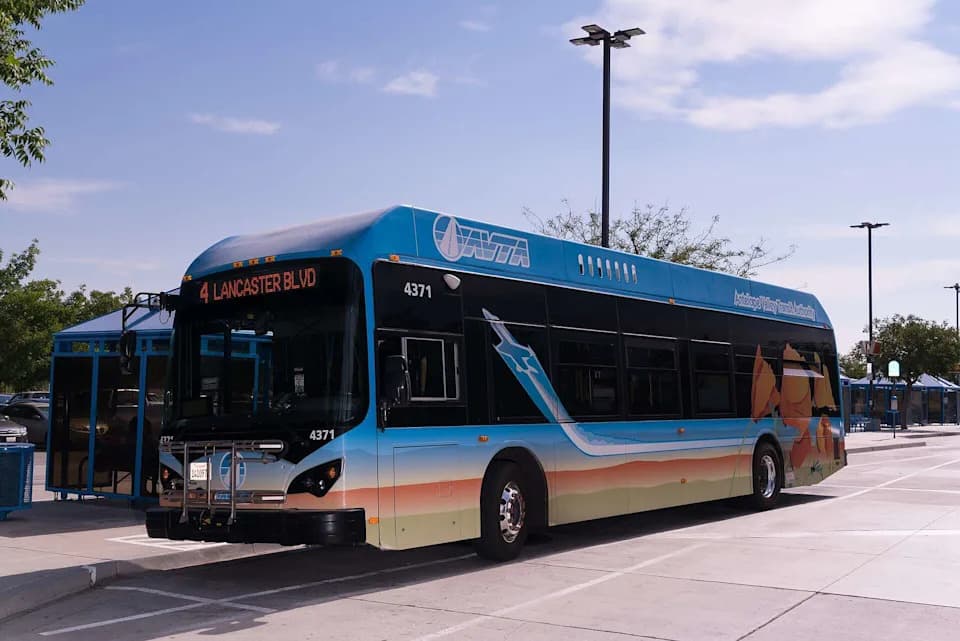
Power inverters convert electricity into the grid-compatible form used by utilities and consumers. They are central to utility-scale solar farms, battery storage projects, wind turbines, residential rooftop solar systems, electric vehicle chargers and, in some cases, heat pumps. Because inverters are integrated into most new electricity projects and many are manufactured abroad, restrictions on new models could influence project timelines and equipment choices.
Immediate Impact
The FCC emphasized that the restriction applies to new inverter models going forward, not to models that already have approval. Consumers can keep using devices they already own, and retailers may continue selling previously authorized models — steps that limit immediate disruption and reduce the risk of a sudden supply bottleneck.
Potential Long-Term Effects
Industry analysts warn that tighter future limits could slow project deployments, raise costs, and narrow equipment options for developers. Even if current projects proceed, uncertainty about future approvals could chill investment and complicate planning for new builds.
Market And Industry Reaction
"In our world, investors are currently seeing this as kind of a non-event," said John Miller, managing director and energy transition policy analyst at TD Cowen.
Julien Dumoulin-Smith, head of equity research for power, utilities, and clean energy at Jefferies, added: "[T]his has a minimal impact today. There seems latitude to continue to purchase existing inverter models on the market." So far, market reaction has been measured largely because previously authorized models remain available.
What Developers Should Consider
Project developers and procurement teams should review current inventories, confirm the authorization status of planned inverter models, and build contingency plans. Options include prioritizing authorized suppliers, qualifying alternative models early, and engaging with manufacturers to track compliance and approval timelines.
Bottom line: The FCC's action addresses national security and cybersecurity concerns tied to grid resilience while preserving the use and sale of existing, authorized inverters. Its longer-term impact will depend on how broadly and how strictly future restrictions are applied and how quickly the industry adapts.
Help us improve.