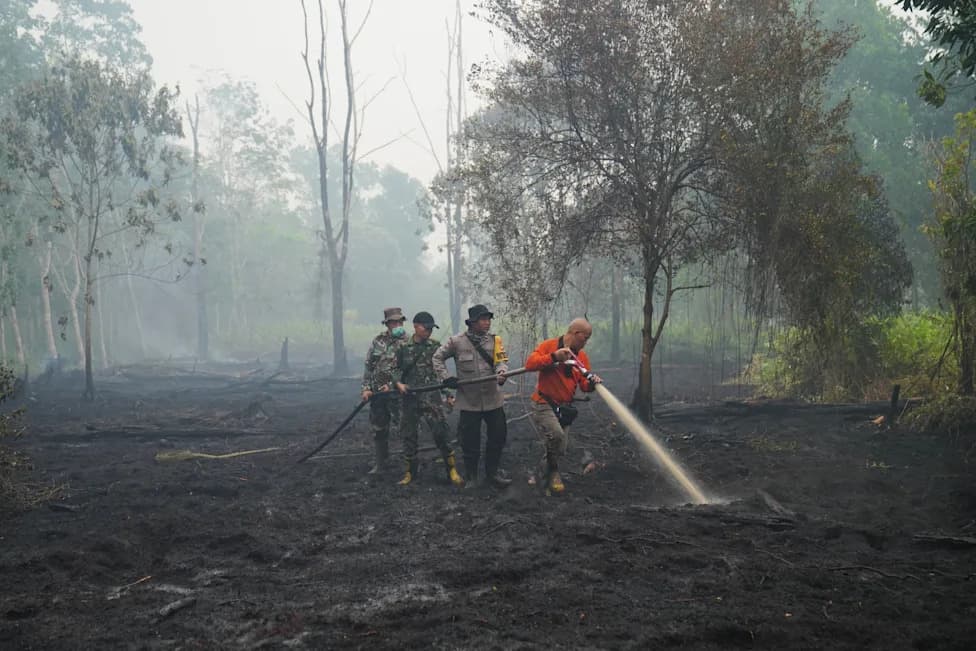
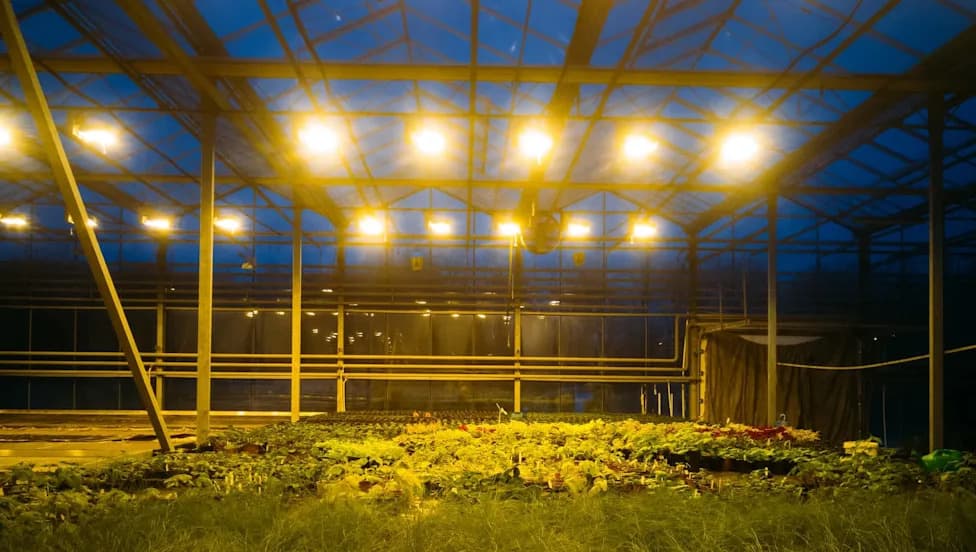
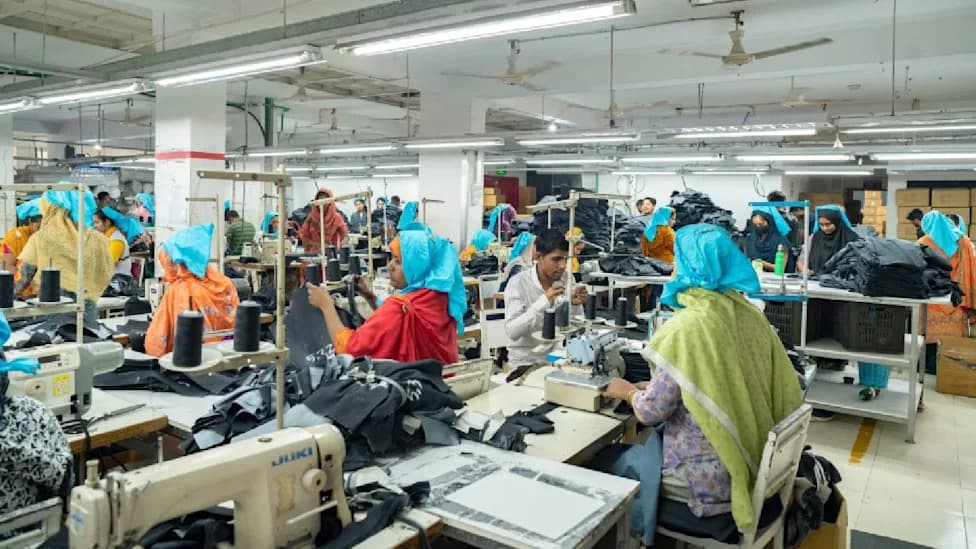
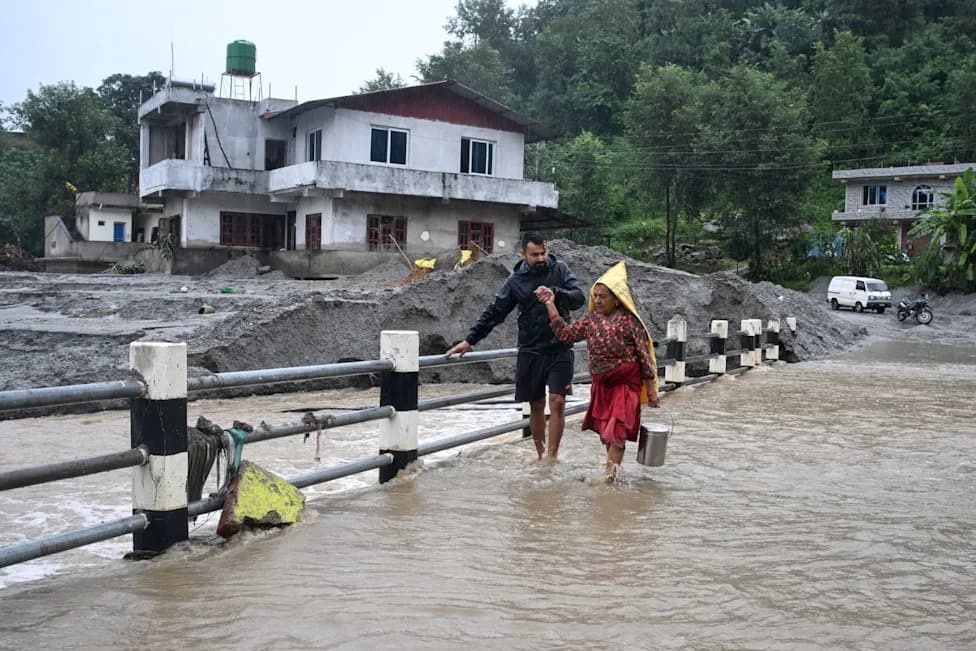
The World Bank warns that without adaptation, rising heat could cut South Asia’s GDP by about 7% by 2050 and already costs the region the equivalent of 31 million full-time jobs a year. Bangladesh lost an estimated $1.3–$1.8 billion in heat-related productivity in 2024. By 2070 some 520 million people may face a month or more of dangerous heat annually, concentrated in cities where nights stay much hotter. The report urges national and local governments, the private sector and development partners to invest in heat resilience. Separate updates highlight migrant recruitment-fee reimbursements in Taiwan and a union-related settlement in Cambodia.
Heat Crisis Threatens South Asia: World Bank Says 31M Jobs Lost Annually, GDP Could Fall 7% By 2050
On the Line: Extreme Heat is Costing South Asia 31M Jobs a Year
On the Line is a weekly roundup of sourcing and labor developments across the apparel and footwear sector, covering stories from worker protests to corporate responses and shifting conditions on factory floors and beyond.
World Bank: Heat Already Hurting Economies and Workers
A World Bank report published Wednesday warns that, without adaptation, rising temperatures could shrink South Asia's gross domestic product by about 7% by 2050 — the largest projected loss among developing regions. The bank says warming has accelerated sharply over the past two decades, and the costs of inaction are mounting.
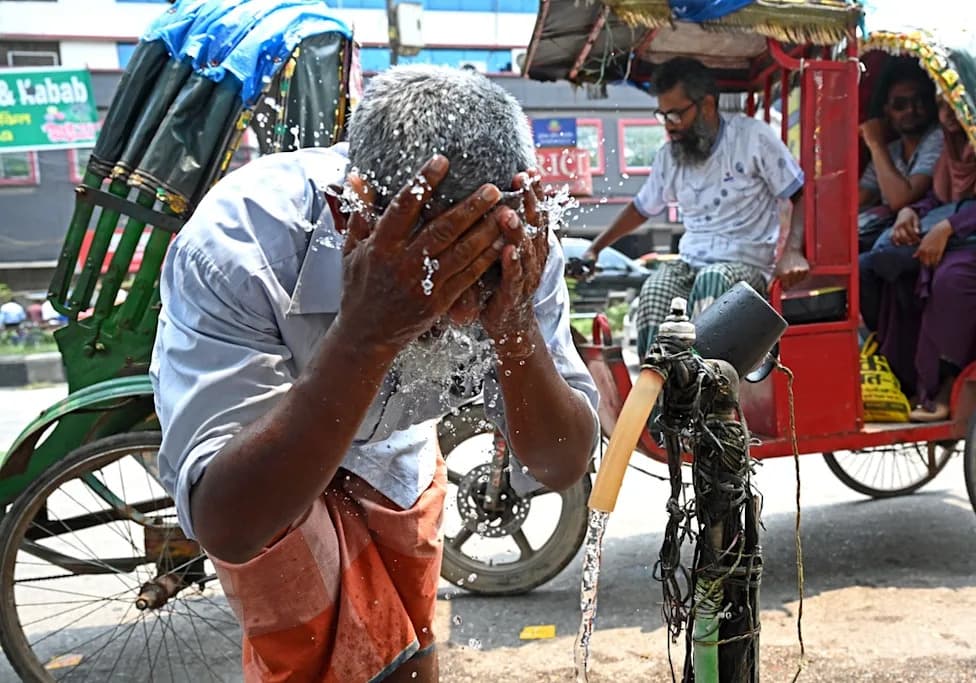
Extreme heat already inflicts the equivalent of 31 million full-time job losses each year in South Asia, the report found. Workers slow their pace, leave early or fall ill, while heat-related breakdowns in power, transport and buildings ripple through incomes, investment and output. In Bangladesh alone, heat-related productivity losses in 2024 are estimated at $1.3–$1.8 billion, roughly 0.3–0.4% of GDP.
Looking ahead, the report projects that by 2070 about 520 million people in the region will face a month or more of dangerously hot conditions annually — roughly four times the number exposed today. Urban residents are especially vulnerable: cities trap heat after sunset and can remain more than 10°C warmer at night than surrounding rural areas. The poorest are hit hardest; the bank estimates informal workers’ earnings can fall by about 40% during heatwaves.
"For the World Bank Group, heat resilience is part of a broader development agenda: protecting people, strengthening infrastructure, supporting jobs, mobilizing private capital and helping cities adapt to a changing climate," the report said. "The choices made in the coming years will determine whether South Asia's urban growth deepens vulnerability or builds resilience."
Recommendations: Multi-Level Action Needed
The report calls for coordinated action across sectors and levels of government:
- National governments should set standards, build regulatory frameworks and design financing tools.
- State and city authorities must integrate heat risk into planning, budgets, procurement, emergency response and infrastructure delivery.
- Private sector investment and innovation are needed in sustainable cooling, resilient buildings and efficient industrial systems.
- Development partners can provide finance, technical knowledge and implementation support.
Labor Developments: Taiwan Reimbursements and Cambodia Settlement
Separately, the nonprofit Transparentem reported that migrant workers in Taiwan who paid recruitment fees have received more than $4 million in reimbursements from suppliers and some buyers, with repayments on track to approach nearly $6 million. Payments went to hundreds of workers from Indonesia, the Philippines, Thailand and Vietnam following an investigation into forced labor and other abuses in Taiwan's textile industry.
The textile industry association in Taiwan now recommends that factories cover all recruitment costs, and the government has pledged to ban worker-paid recruitment fees within three years. Taiwan’s main oversight agency opened an investigation after Transparentem's report and found industry efforts to combat abuse were falling short.
Transparentem cautioned that remediation has been "unacceptably slow": some workers have left and may be unreachable for repayment; some eligible workers still employed have received partial payments; and many buyers have not contributed, prolonging the process. At the same time, the group praised companies that provided remedy, noting that returned funds improved workers' financial security and enabled some to invest in better futures.
In Cambodia, the Center for Alliance of Labor and Human Rights (CENTRAL) said three garment workers dismissed after forming a union at South Korean-owned CIK Cambodia Co. reached a rare out-of-court settlement, ending a yearslong dispute that dated to 2017. The conflict began after workers formed a union in response to alleged terminations of pregnant employees. A 2018 Better Factories Cambodia assessment documented non-compliance with workers' rights to form unions and the termination of pregnant workers. Brands produced at the factory included DAIZ, Bonafit and Guess.
Under the settlement, parties agreed to conclude ongoing legal proceedings and resolve outstanding issues under Cambodian law. CENTRAL said it respects the workers' choice and thanked partners — including Korean Transnational Corporation Watch and the Business and Human Rights Centre — and welcomed the Korean government's supportive intervention. CENTRAL will continue monitoring implementation and hopes the workers can return to work and resume peaceful lives.
What This Means for Industry
The World Bank's findings underscore a growing climate-labor nexus: rising temperatures directly undermine productivity and livelihoods while exacerbating supply-chain and infrastructure risks. For apparel and footwear companies — and the cities that host their factories — the research points to an urgent need for heat-resilient workplaces, cooling solutions, supply-chain planning and stronger protections for the region's most vulnerable workers.
Help us improve.