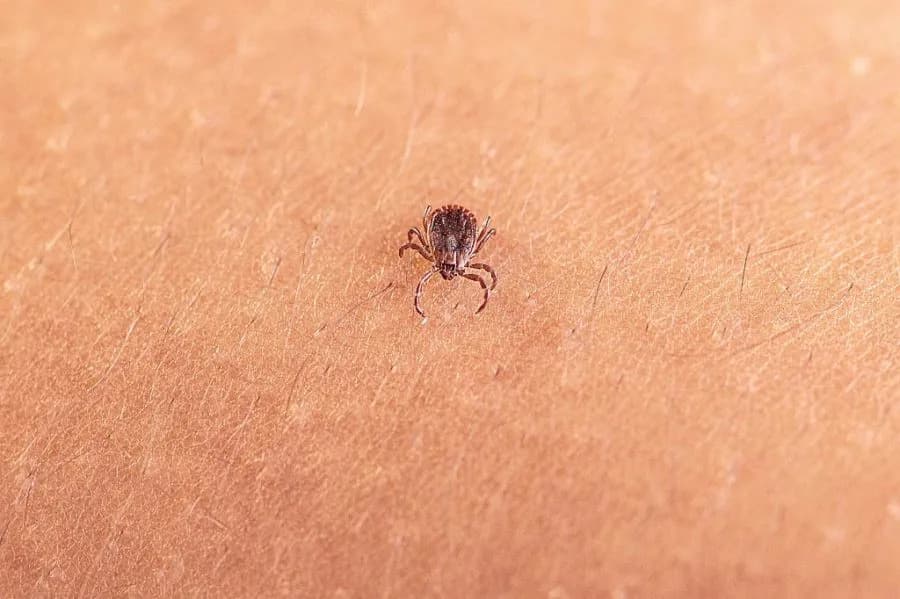
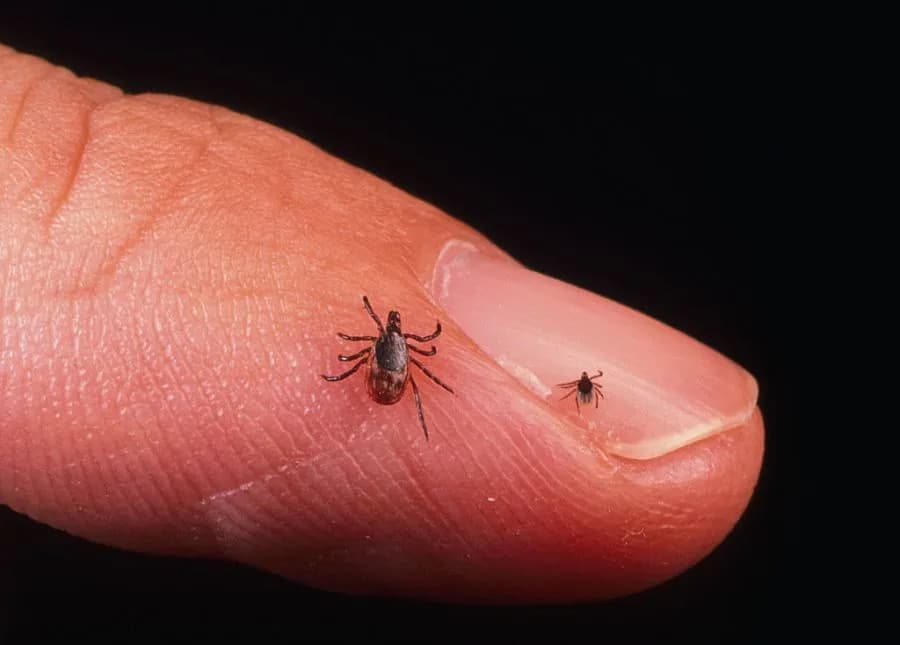
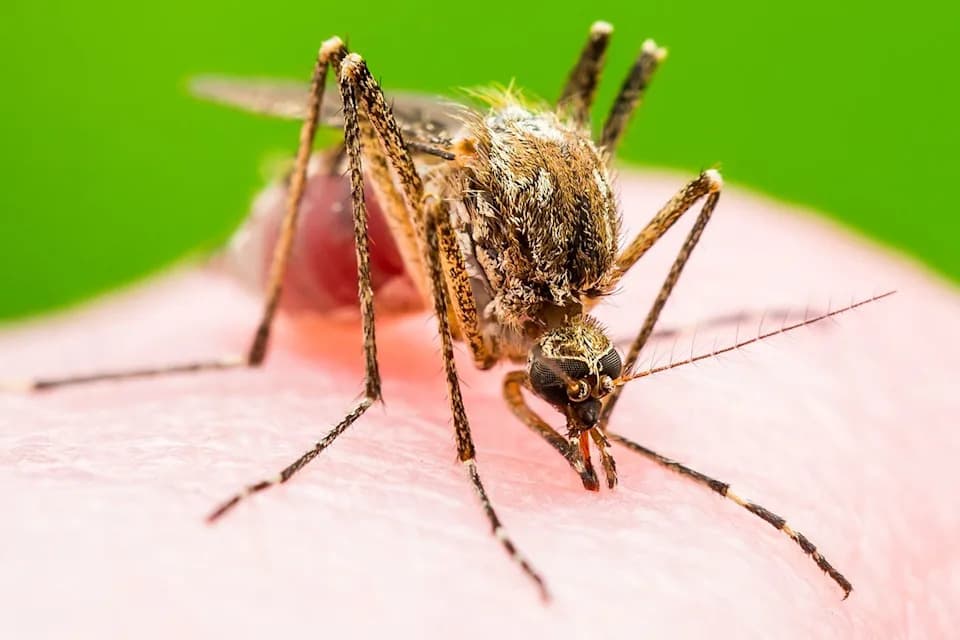
Bourbon virus, a rare tick-borne illness with no vaccine or antiviral treatment, has been confirmed in New York after a Long Island man suffered debilitating symptoms for five years following a 2021 tick bite. Stony Brook Medicine diagnosed the infection in April 2026 and published the case in the American Journal of Tropical Medicine and Hygiene. Because symptoms mimic other tick-borne diseases and commercial tests are limited, experts warn Bourbon virus may be underdiagnosed. Prevention focuses on avoiding tick bites and managing yard exposure.
First Confirmed Bourbon Virus Case In New York — Doctors Warn Cases May Be Undetected
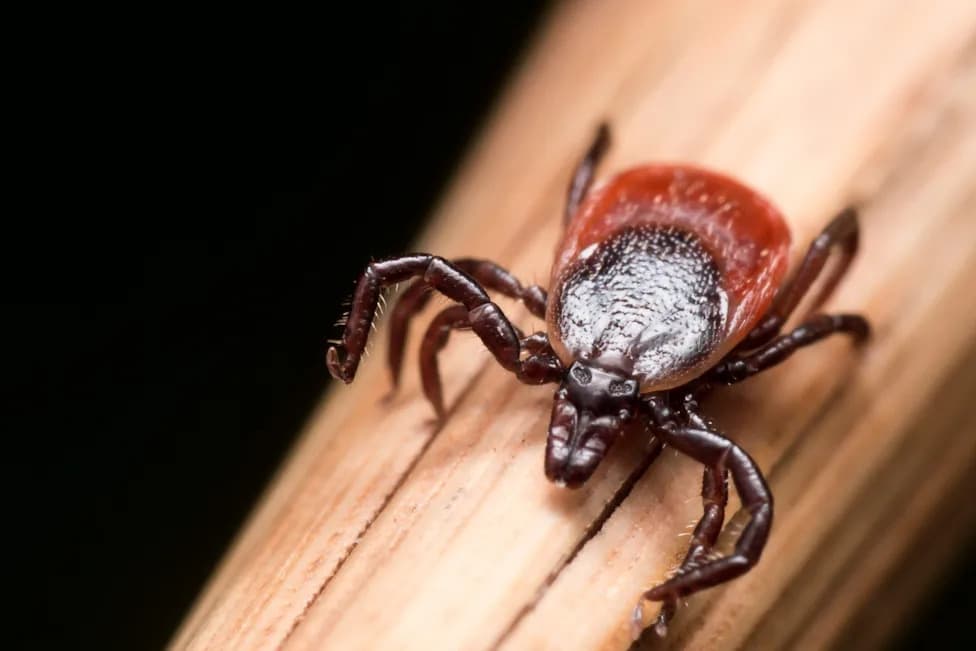
The blacklegged, or deer, tick is the most common species in the U.S. and is known to carry several diseases, including anaplasmosis, babesiosis, ehrlichiosis, Lyme disease, Borrelia miyamotoi disease and Powassan virus disease, according to the Mayo Clinic.(StevenEllingson, Getty Images/iStockphoto)
A rare tick-borne virus, Bourbon virus, has been confirmed in New York for the first time after a Long Island man survived a severe, years-long illness that began after a 2021 tick bite.
Case Details
Michael Larkin, 67, of Long Island, experienced debilitating fevers, headaches and night sweats for about five years after a tick bite in his backyard. His symptoms persisted despite standard treatment, and he was initially misdiagnosed with Lyme disease. After repeated hospital visits and extensive testing, clinicians at Stony Brook Medicine identified Bourbon virus in April 2026. The diagnosis and clinical details were published by his medical team in the American Journal of Tropical Medicine and Hygiene.
"I would hit rock bottom and can't get off the couch," Larkin told CBS New York. "I demanded my wife take me to the hospital, because that's how bad it was."
What Is Bourbon Virus?
Bourbon virus is a rare viral infection transmitted by tick bites, particularly from the Lone Star tick. Named after Bourbon County, Kansas — where the first human case was identified in 2014 — the virus is still poorly understood and may be underdiagnosed because its symptoms overlap with many other tick-borne illnesses.
Symptoms, Diagnosis and Outcomes
Common symptoms include fever, fatigue, rash, headache, body aches, nausea and vomiting. Because these signs mimic other tick-borne diseases such as Lyme disease or ehrlichiosis, clinicians may not immediately suspect Bourbon virus. There is no widely available commercial diagnostic test; suspected samples typically require testing at specialized laboratories or state public health labs. To date, only a handful of human cases have been reported across the Midwest, East Coast and Southern United States, and two known infections (2014 and 2026) were fatal.
Treatment
There is no vaccine or proven antiviral therapy for Bourbon virus. Care is supportive: mild illness can be managed with over-the-counter medications, while severe cases may require hospitalization for IV fluids, pain control and close monitoring.
Prevention
Public health experts emphasize prevention because there is no specific treatment or vaccine. Practical steps to reduce tick exposure include:
- Keep grass short and remove brush and leaf piles in yards.
- Create a barrier (gravel or wood chips) between lawns and wooded areas.
- Consider consulting a pest-management professional about safe yard treatments.
- Use a white towel or cloth to drag over mowed grass and inspect for ticks.
- Wear EPA-approved insect repellent on exposed skin and permethrin-treated clothing.
- Cover exposed skin with long sleeves, long pants and closed shoes when in tick habitat.
- Perform a thorough tick check and remove clothing immediately after returning indoors.
What To Do If You Are Bitten
If you find a tick attached to your skin, remove it promptly using fine-tipped tweezers, grasping close to the skin and pulling straight out. Save the tick if possible and seek medical advice if you develop fever, rash or other concerning symptoms in the weeks following a bite.
Experts warn that the presence of Lone Star ticks in the Northeast and the lack of commercial tests could mean Bourbon virus cases are underrecognized. Clinicians are encouraged to consider Bourbon virus in patients with unexplained febrile illnesses and a history of tick exposure.
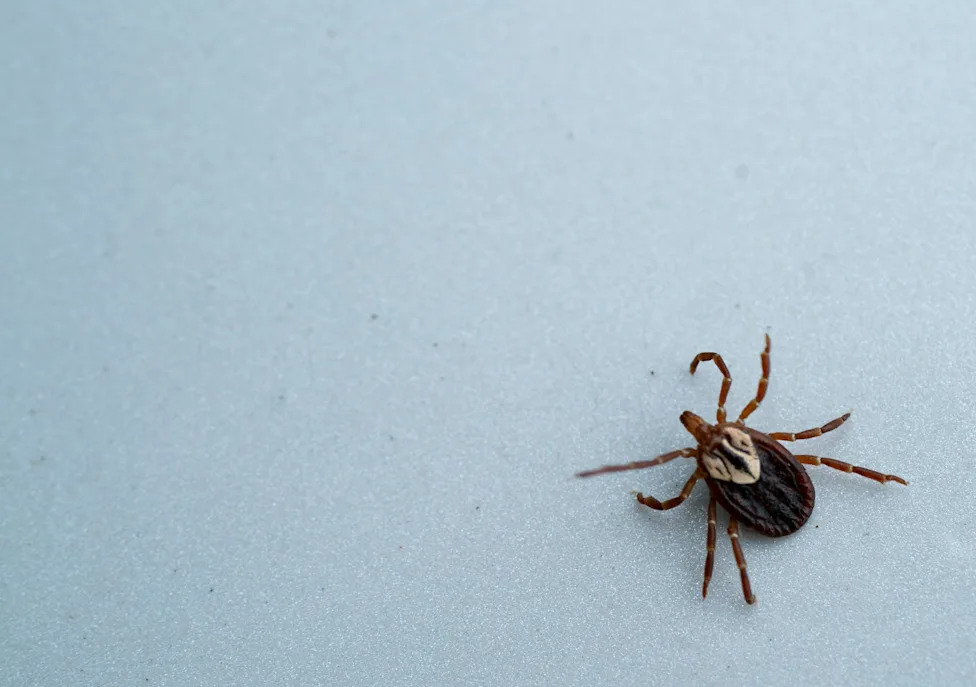
The American dog tick, found mostly in the Rocky Mountains region, can spread Rocky Mountain spotted fever and tularemia, according to Mayo Clinic.(DENNY SIMMONS / THE TENNESSEAN / USA TODAY NETWORK via Imagn Images)
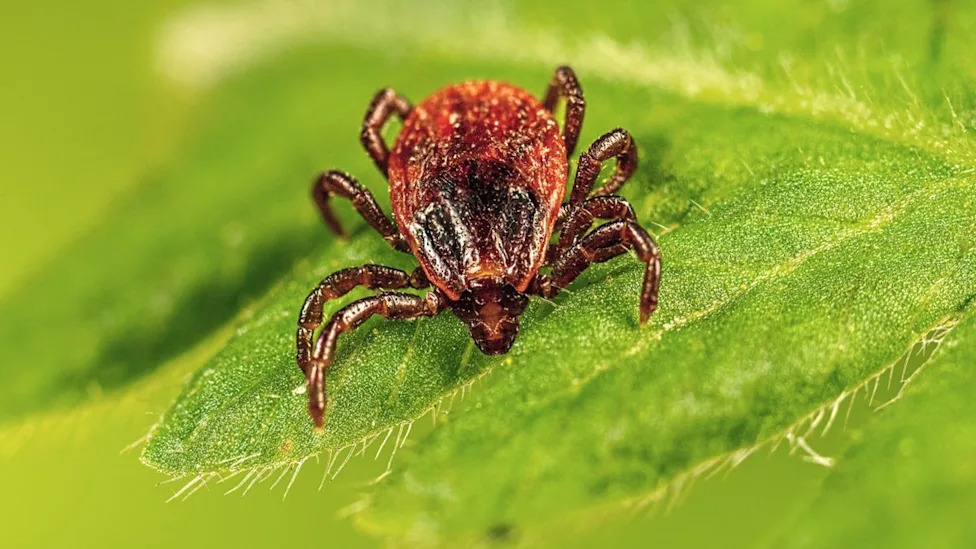
The brown dog tick can be found across the United States and the world. It can carry Rocky Mountain spotted fever, according to Mayo Clinic(Courtesy CDC)
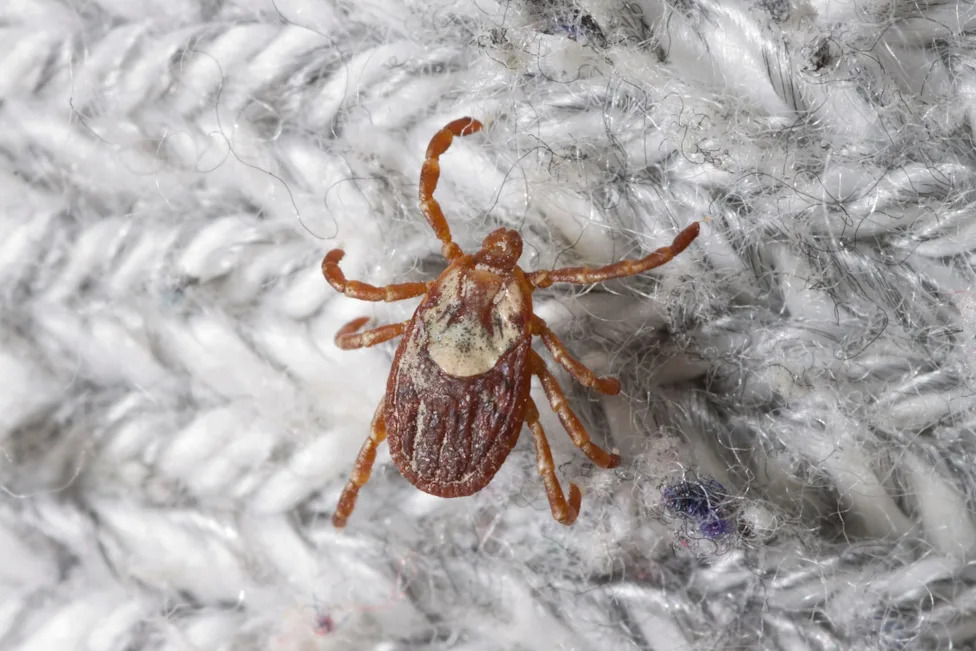
The Rocky Mountain wood tick can spread Colorado tick fever, Rocky Mountain spotted fever and tularemia, according to Mayo Clinic. It is found mostly in the U.S. Rocky Mountain states.(milehightraveler, Getty Images/iStockphoto)
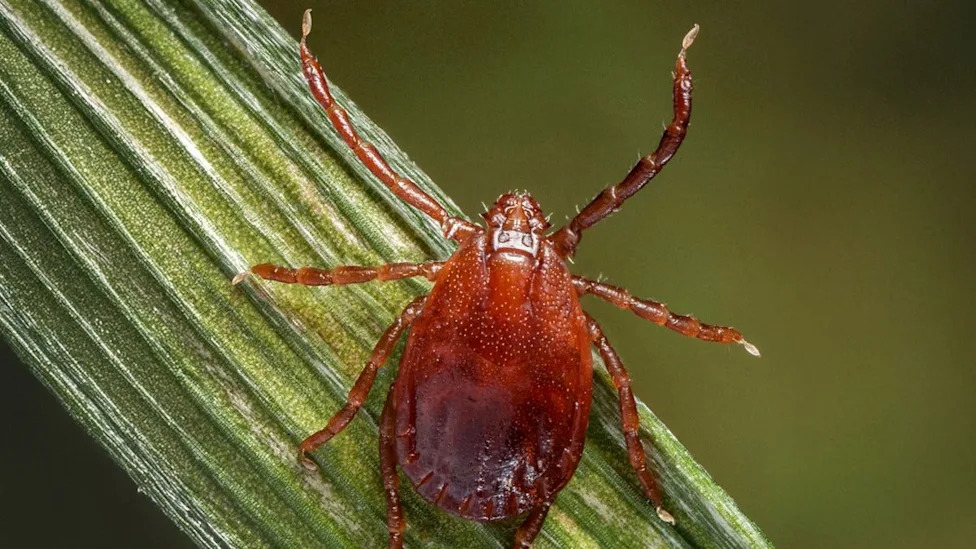
The Asian longhorned tick wasn't found in the U.S. until 2017, though it has since spread to several states. It's usually found in countries including eastern China, Japan, the Russian Far East and the Korean Peninsula, according to Mayo Clinic. It can carry anaplasmosis, babesiosis, ehrlichiosis and rickettsiosis, though how its bites interact with humans is still largely unknown.(Courtesy CDC)
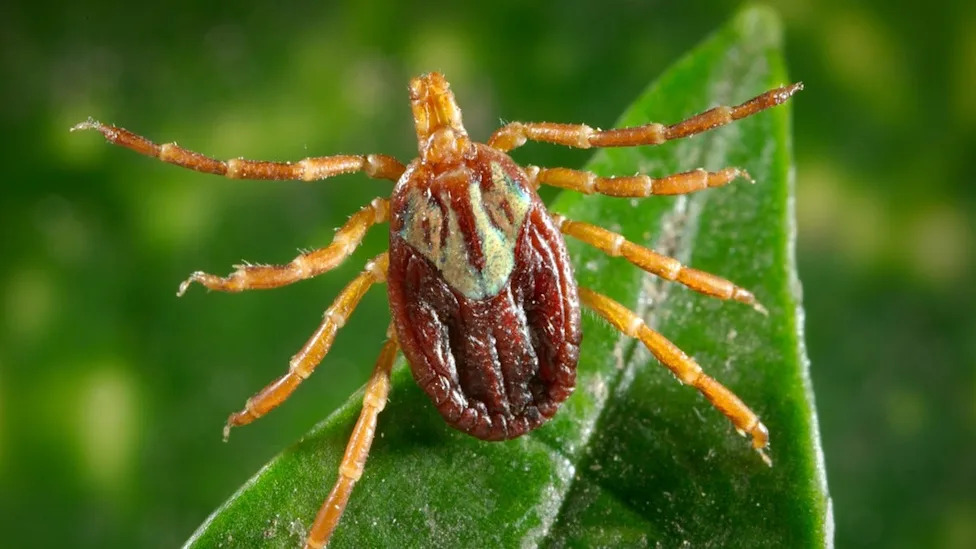
The Gulf Coast tick is found primarily in the southeastern United States, according to the CDC, and can spread form of spotted fever called Rickettsia parkeri rickettsiosis.(Courtesy CDC)
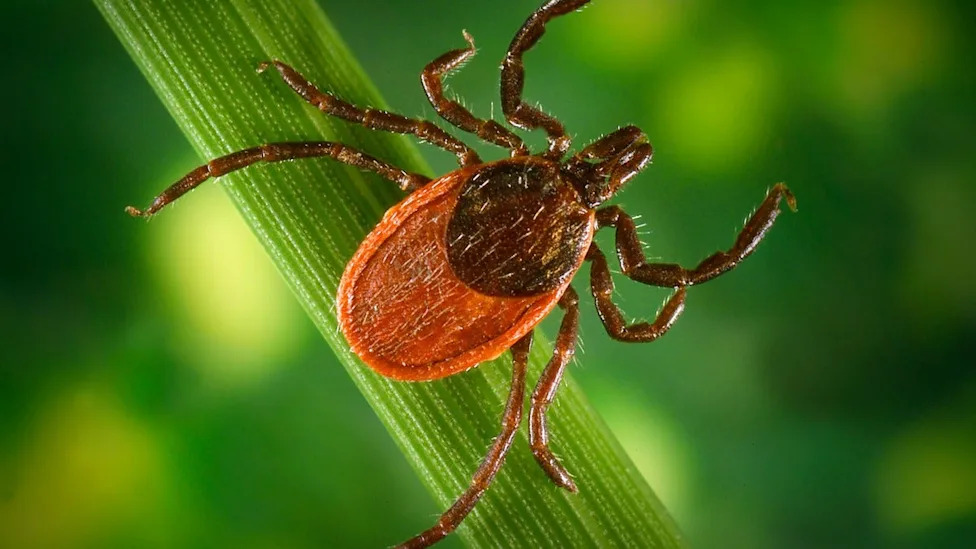
The Western blacklegged tick lives, as it name suggests, mostly along the Pacific coast of the United States, particularly northern California, according to the CDC. It can carry anaplasmosis, babesiosis and Lyme disease.(Courtesy CDC)
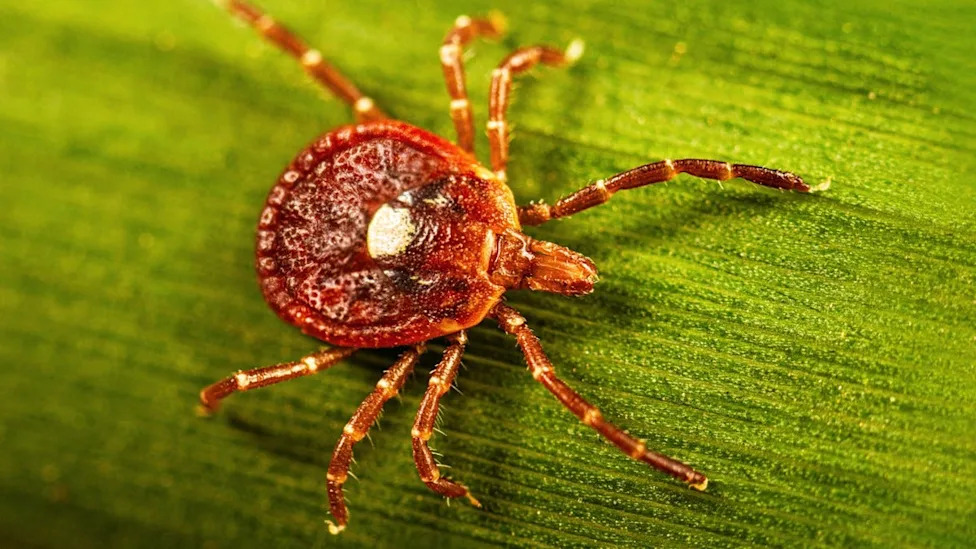
The Lone Star tick, found mostly in the Eastern and Southern U.S., can carry diseases including ehrlichiosis, heartland virus disease, southern tick-associated rash illness (STARI), Bourbon virus disease and tularemia, according to Mayo Clinic. Infamously, a bite can also cause alpha-gal syndrome, which can trigger a meat allergy.(Courtesy CDC)
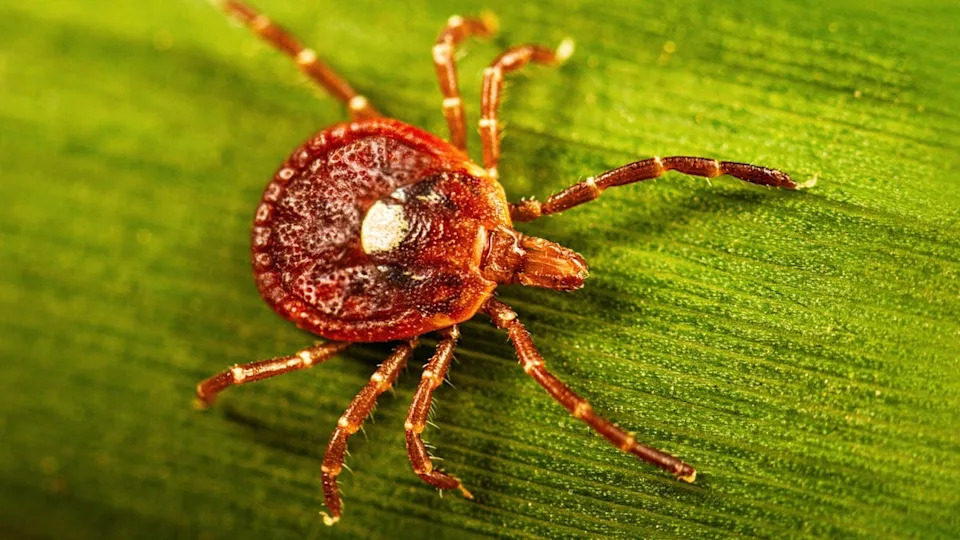
The Lone Star tick, found mostly in the Eastern and Southern U.S., can carry diseases including ehrlichiosis, heartland virus disease, southern tick-associated rash illness (STARI), Bourbon virus disease and tularemia, according to Mayo Clinic. Infamously, a bite can also cause alpha-gal syndrome, which can trigger a meat allergy.
Help us improve.