Kris Newby, a medical writer and producer of the documentary Under Our Skin, says her 2002 Lyme diagnosis spurred an investigation that led her to allege a link between Cold War insect-borne bioweapons research and the rise of Lyme disease. She cites interviews and archival notes, including material from scientist Willy Burgdorfer, as supporting evidence. Public-health experts, however, point to ecological change and improved surveillance as primary drivers of increased Lyme diagnoses, and Newby’s theory remains controversial.
Cold War Bioweapons Alleged Link to Rise in Lyme Disease: Author Presents New Evidence
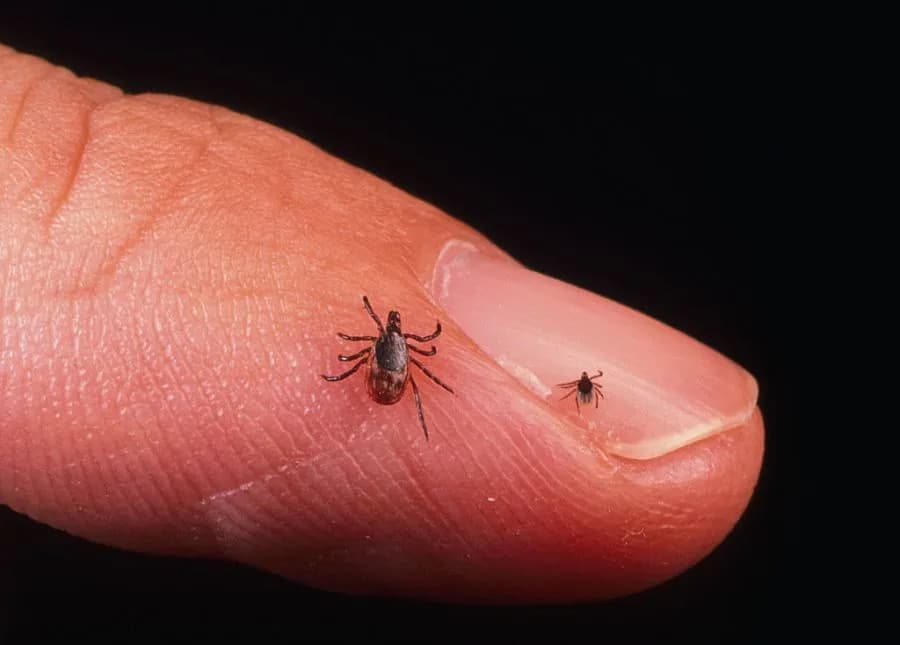
Cold War-era bioweapons could be linked to Lyme disease: Author
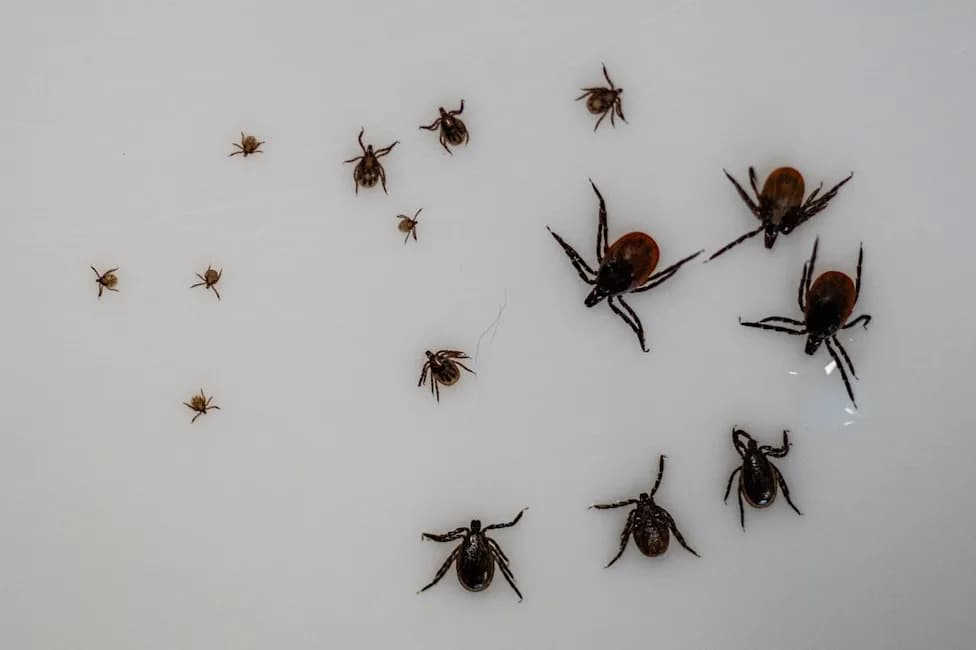
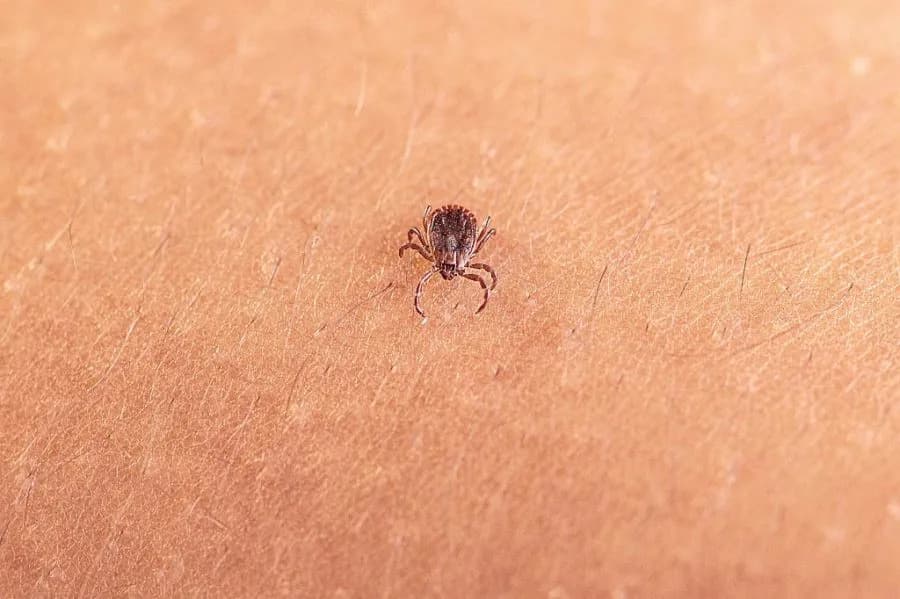
In 2002, medical writer Kris Newby was bitten by an unseen tick while on vacation on Martha's Vineyard and became seriously ill. After seeing multiple doctors and spending tens of thousands of dollars, she was eventually diagnosed with Lyme disease. That experience prompted her to investigate the disease’s origins and led her to a controversial conclusion: Cold War-era U.S. biological-weapons research involving insect-borne agents may be connected to the emergence and spread of Lyme and other tick-borne illnesses.
Newby, a senior producer of the Lyme disease documentary Under Our Skin and author of Bitten: The Secret History of Lyme Disease and Biological Weapons, discussed her findings on NewsNation's Katie Pavlich Tonight. She says interviews and archival documents — including conversations with Willy Burgdorfer, the scientist credited with identifying the bacterium that causes Lyme disease — support her hypothesis that military research could have played a role.
"There is something else there, and because it was an embarrassing finding, the government did not want people to know about it, so he hid it," Newby said on the program, referring to material she believes was withheld.
Newby reports she obtained Burgdorfer's original lab notebooks and correspondence, which she says corroborate claims that he participated in insect-borne agent research during the Cold War. She further asserts that some publicly available CDC information was incomplete or incorrect, contributing to misdiagnoses and cases progressing to chronic illness.
Context and Caveats
Public-health experts point to several well-established factors that have contributed to the rise in Lyme disease diagnoses: changes in land use and wildlife populations, range expansion of ticks, improved disease surveillance, and greater clinical awareness. Newby's account represents a contested theory that has attracted attention and debate; it is not the consensus explanation among infectious-disease researchers.
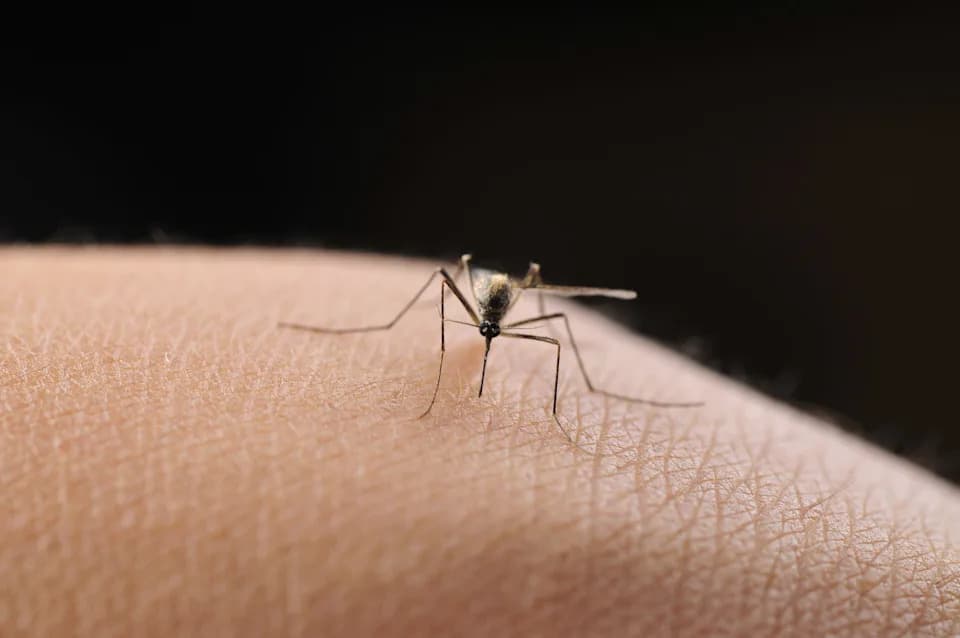
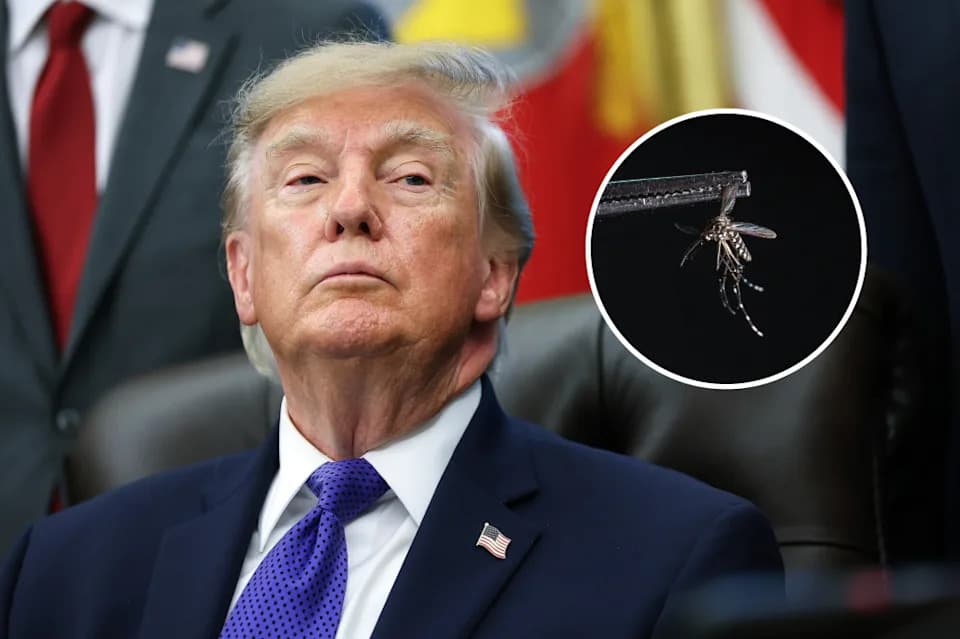
The Centers for Disease Control and Prevention (CDC) estimates that roughly 31 million Americans are bitten by ticks each year and that about 476,000 people are treated for Lyme disease annually. Separately, the White House announced that President Donald Trump signed an executive order directing efforts to eliminate invasive ticks and mosquitoes in Washington, D.C., by 2028 using "safe and effective, non-chemical, and technology-enabled methods," describing the initiative as a model that could potentially be scaled nationwide.
Newby’s claims have sparked renewed interest in the historical record and in the need for transparent archival research. At the same time, scientists emphasize that extraordinary claims require robust, peer-reviewed evidence before revising established explanations for a complex public-health issue.
Bottom line: Newby presents documentary material and interviews that she says link Cold War-era insect-borne research to the modern Lyme epidemic, but her theory remains controversial and is not broadly accepted as proven by the mainstream scientific community.
Help us improve.