Spotted lanternflies have become established in parts of Northern Kentucky, including Boone County and surrounding counties. The invasive insects feed on about 90 species of plants, especially maples, tree-of-heaven and vine crops, posing risks to homeowners and agriculture. Local extension offices report up to 100 calls per week about sightings, and experts expect the problem to worsen over the next five years. Residents are urged to monitor for egg masses and contact extension services for guidance.
Spotted Lanternflies Swarm Northern Kentucky — Experts Warn Invasion Could Worsen
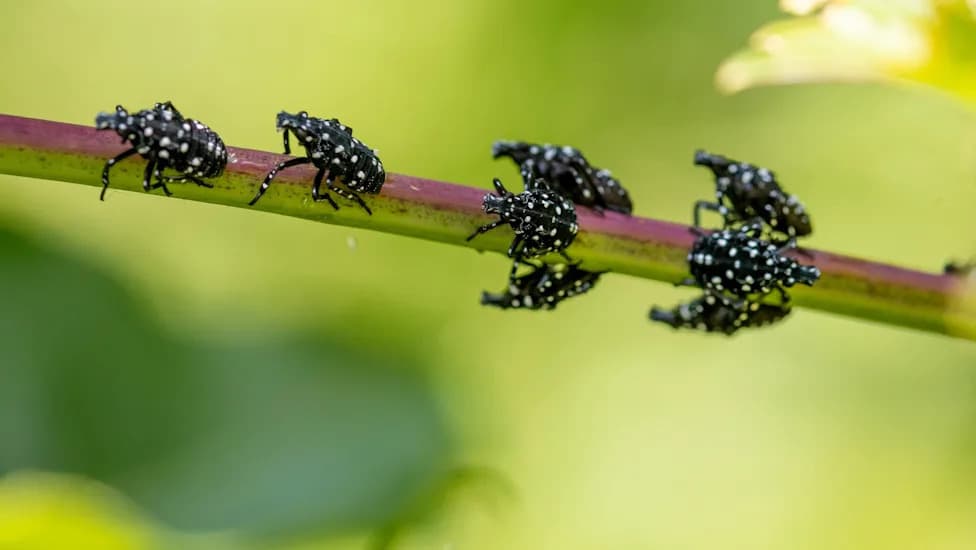
Photo Credit: iStock
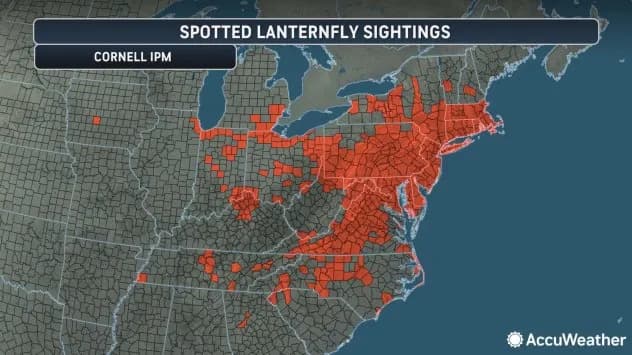
Spotted lanternflies have established breeding populations across parts of Northern Kentucky, and local experts warn the problem is likely to get worse in the coming years.
Spread, Hosts and Potential Damage
Originally from East Asia, spotted lanternflies now feed on the sap of roughly 90 species of trees and plants. They show particular preference for maple trees, the invasive tree-of-heaven, and vine crops such as grapes and hops. Because of this broad diet, the insects pose a meaningful threat to homeowners, nurseries and agricultural industries.
Researchers in Pennsylvania estimated that an unchecked invasion there could cost the state nearly $324 million annually — a figure that illustrates the potential economic stakes if populations expand in other states.
Local Situation and Response
WKRC and regional extension officials report confirmed populations in Boone County and multiple surrounding counties, including Kenton, Campbell, Gallatin and Grant. University of Kentucky Extension horticulture agent Robby Brockman says his office is fielding up to 100 calls per week reporting sightings.
At this point, we don't need reporting anymore. We've had them report it many times. We know they're here in Boone County. They're in many of the surrounding counties too. Kenton, Campbell, Gallatin, and Grant.
How They Affect People and Property
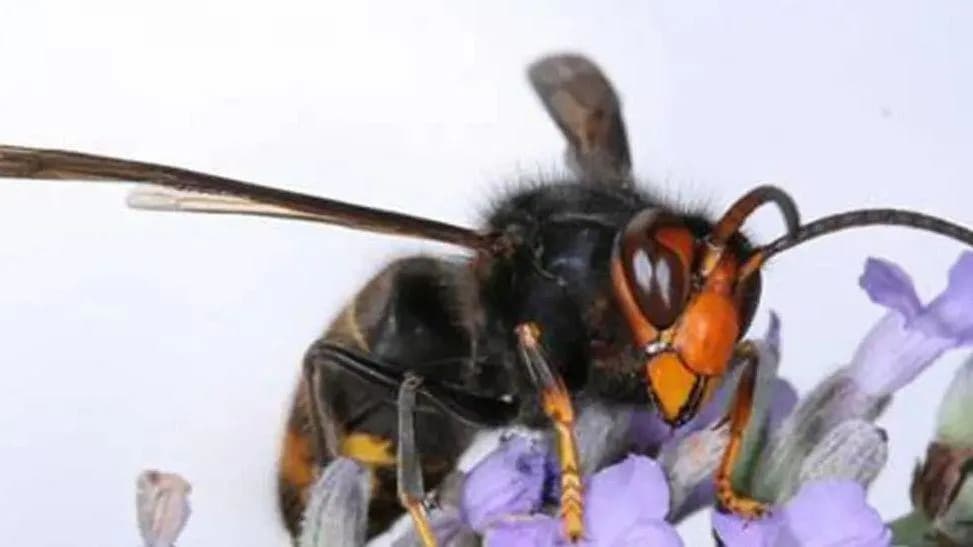
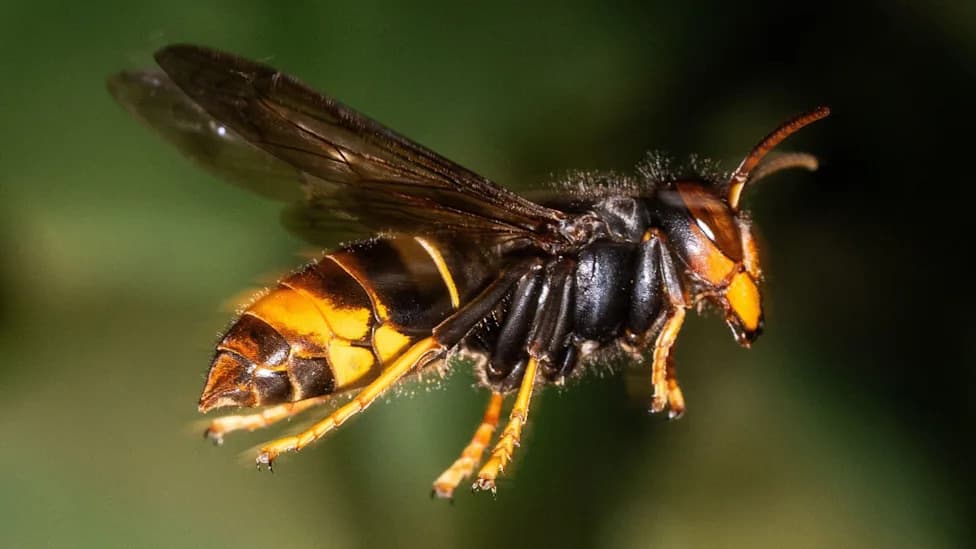
Spotted lanternflies feed in groups and excrete a sticky, sugary residue called honeydew. Honeydew can encourage the growth of sooty mold on plants and attract wasps and other biting or stinging insects, creating secondary nuisances for porches, sidewalks and outdoor gatherings.
The species' wide host range also makes management more difficult than for pests that target only one crop or tree. Agricultural workers and grape growers are particularly at risk of economic losses if populations grow unchecked.
What Residents Can Do
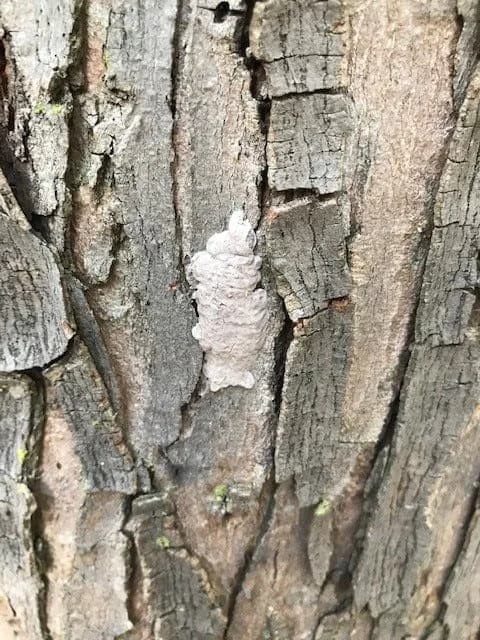
Residents and growers should remain vigilant: check trees, vines and outdoor furniture for adults and egg masses, remove and destroy egg masses when found, and report significant infestations to local extension offices. Contact your county extension or the University of Kentucky Extension for current guidance and reporting procedures.
Outlook: Local experts expect the problem to intensify over the next several years as populations become more established, so early detection and coordinated management will be important to limit spread and damage.
Help us improve.