The Aids 2026 conference in Rio highlighted lenacapavir, a twice‑yearly injectable PrEP, as a potentially game‑changing tool to prevent new HIV infections—especially for people with limited access to routine care. Experts warned that cuts to US foreign aid and global declines in prevention funding have weakened outreach, closed clinics and reduced peer‑led services, undermining delivery of new prevention technologies. Advocates also raised concerns about pricing exclusions for several Latin American countries. Conference leaders said these funding and access challenges make UNAIDS' 2030 targets much harder to achieve.
New Long‑Acting HIV Prevention Could Cut Infections — But USAID Cuts Threaten Access
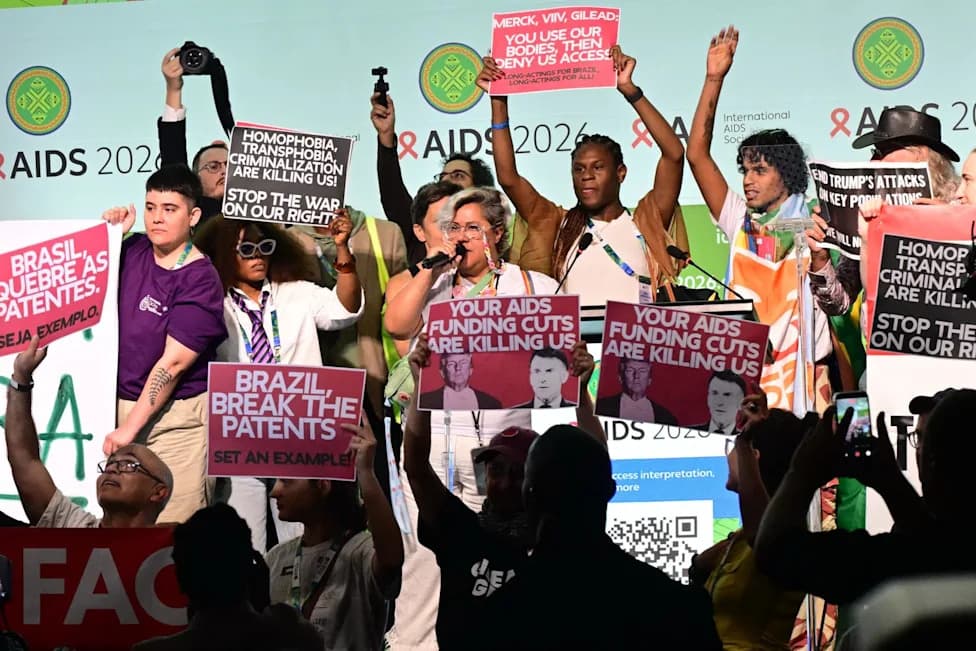
People protest against funding cuts and drug patents during the 26th International Aids Conference in Rio de Janeiro on Monday.Photograph: Pablo Porciúncula/AFP via Getty Images
New innovations in HIV prevention — notably the long‑acting injectable lenacapavir — could sharply reduce new infections worldwide. However, experts at the Aids 2026 Conference in Rio de Janeiro warned that recent cuts to US foreign aid and the weakening of global funding for HIV programs risk preventing the people who need these drugs most from getting them.
About a year ago, the World Health Organization urged countries to prioritise expanded access to lenacapavir, a long‑acting form of PrEP that requires just two injections per year. PrEP is also available as daily oral pills and as injections every two months; when used consistently, these prevention options can be roughly 99% effective at preventing sexual transmission of HIV.
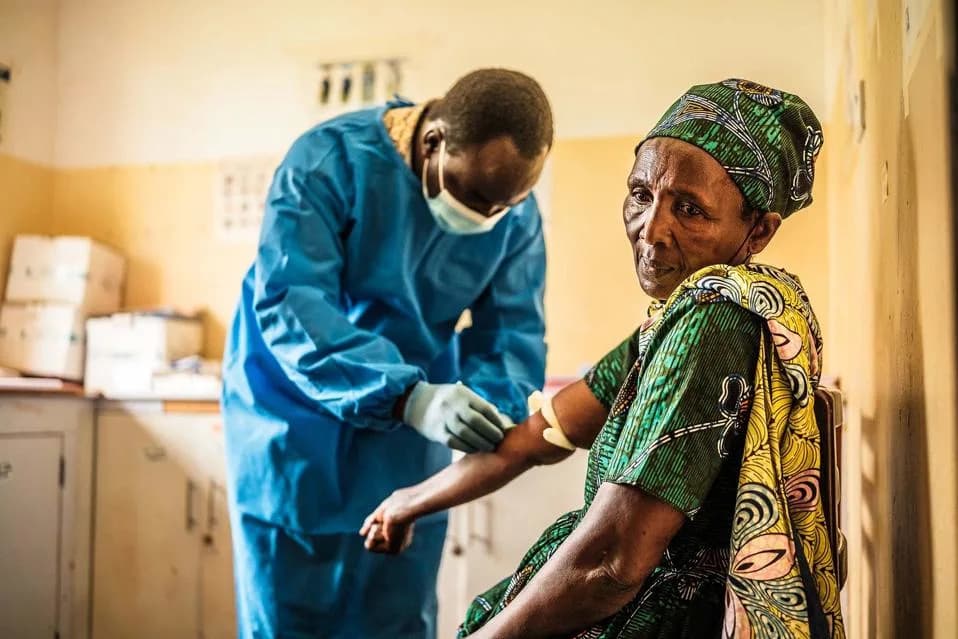
The WHO noted that lenacapavir is still largely unavailable outside clinical trials, but recommended scaling up access because the injectable could be transformative for populations facing severe barriers to routine care — including people living in poverty, those stigmatized for their identities or behaviours, and people in remote or rural areas.
A mathematical modelling study by the WHO and the United Nations estimated that widespread availability of lenacapavir could avert about 41% of new HIV infections in high‑burden settings such as South Africa, Zimbabwe and western Kenya.
"We have these major achievements in prevention. On the other hand, we are facing these major funding cuts that are affecting deeply the delivery not only of these new prevention technologies but also decreasing the number of people engaged in care, engaged in prevention services," said Beatriz Grinsztejn, president of the International Aids Society, at the conference.
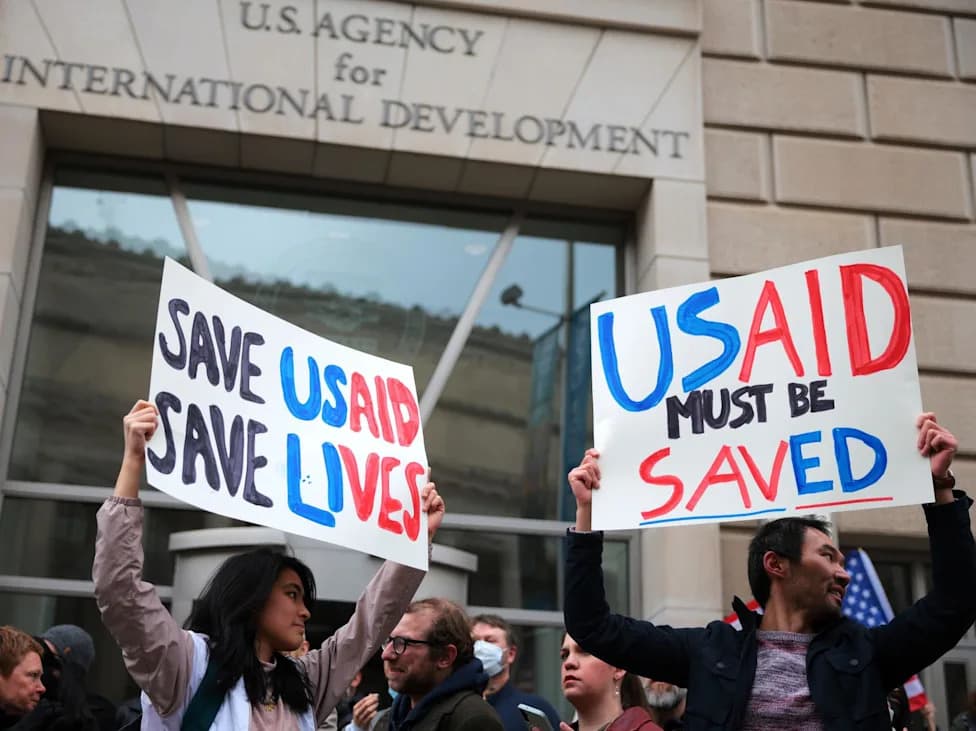
When the WHO called for global investment in lenacapavir in 2025, the Trump administration was in the process of dismantling the US Agency for International Development (USAID). A Lancet Global Health study cited that USAID had supplied roughly 73% of donor‑funded HIV prevention resources worldwide. By July 2026, multiple reports indicated that investment in HIV prevention had fallen sharply in many regions.
Experts emphasised that funding cuts do more than constrain drug procurement: they erode the outreach and service networks that deliver prevention to people at greatest risk. Peer outreach workers — who build trust and connect people who use drugs or who are otherwise marginalised with testing, syringes, and prevention services — have been particularly affected.
"When funding cuts came, one of the big things that's been impacted is peer outreach workers, which are crucial to reaching people who use drugs, to building trust with people who use drugs and engaging them with services," said Ailish Brennan, policy analyst at Harm Reduction International.
Reports from networks representing people who use drugs say organisations often respond to shortfalls by reducing outreach and closing sites, including mobile services. Those disruptions can break client relationships, force people to travel farther for care, and make long‑acting injectables — which require periodic clinical visits — far harder to deliver to marginalised groups.
Conference speakers also highlighted pricing and access barriers. Pharmaceutical company Gilead Sciences provides generic versions of some long‑acting HIV medications at steep discounts to many low‑ and middle‑income countries, but routinely excludes nations such as Brazil, Colombia, Mexico, Peru and Argentina by classifying them as "upper middle‑income countries." Advocates note these countries contributed participants to clinical trials and face internal inequalities that leave many people unable to afford market prices.
"We do have prevention technologies that are our dream," Grinsztejn said, noting that the tools exist to pursue UNAIDS' long‑standing goal of ending AIDS as a public‑health threat by 2030. She warned, however, that current funding and policy trends make reaching those targets far more difficult.
Help us improve.