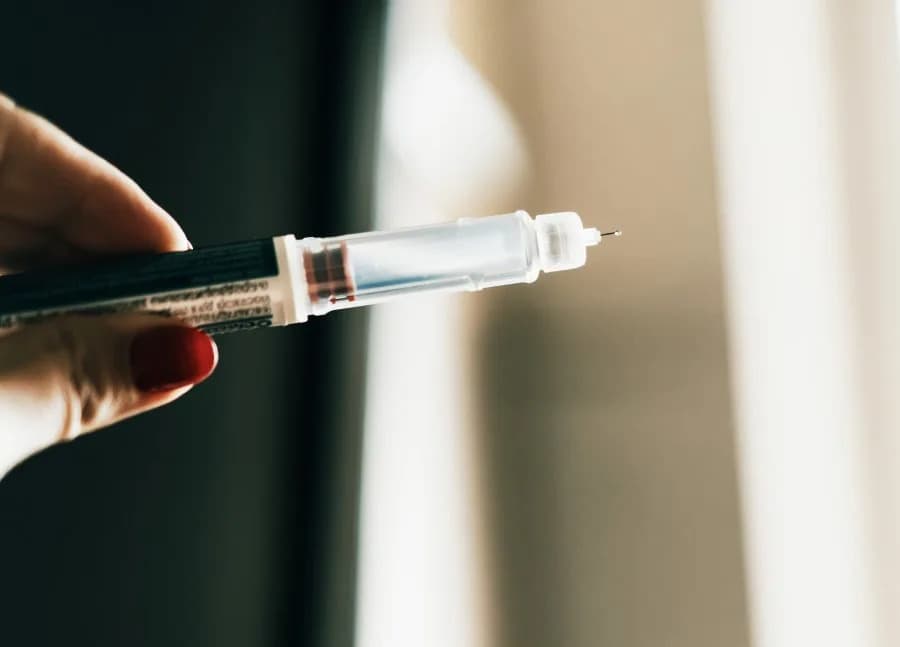
Dr. Anthony Youn warns that many popular peptides lack robust human safety data, with most studies limited to animals. Compounds such as TB-500 and BPC-157 may promote angiogenesis, raising theoretical concerns for people with undiagnosed cancer, while melanotan has been linked to atypical moles. The FDA advisory panel recently backed six of seven peptides for further consideration, but experts urge patients to avoid gray-market products and work only with licensed physicians and compounding pharmacies.
Plastic Surgeon Warns Popular Peptides Lack Human Safety Data — Experts Urge Caution

Dr. Anthony Youn says popular peptides ‘aren’t studied enough’ in humans
As peptides surge in popularity online and among celebrities, plastic surgeon Dr. Anthony Youn is warning that most widely used peptide products have not been adequately studied in humans to confirm their long-term safety.
"There are studies on these peptides, and most of them do have actual scientific studies, but the studies for the most part are done in animals," Youn said. "We are not basically overgrown rats and mice."
Peptides—short chains of amino acids that act as signaling molecules in the body—are being promoted for a wide range of benefits, from faster muscle recovery to enhanced tanning. Public figures from Khloe Kardashian to Joe Rogan have discussed peptide use, and U.S. Health Secretary Robert F. Kennedy Jr. has also spoken about his personal experience with peptides on national podcasts.
Potential Risks
Youn highlights specific concerns about peptides commonly used by bodybuilders, such as TB-500 and BPC-157. While users report improved muscle repair, these compounds can promote angiogenesis—the formation of new blood vessels—which in theory could supply blood to an undiagnosed tumor and support its growth.
He also pointed to melanotan (sometimes called the "Barbie peptide") used for tanning, which has been linked in some reports to the emergence of atypical moles that merit medical evaluation.
Regulatory And Safety Issues
The Food and Drug Administration (FDA) recently convened an advisory panel to consider the regulatory pathway for several popular peptides. The panel recommended that six of seven peptides move forward for further consideration—an important step toward potential approval but not an immediate green light for retail pharmacy sales.
Another major concern is product quality. Many peptides sold online come from overseas labs, including suppliers in China and South Korea, where manufacturing and sterility standards can vary. Contaminated or inaccurately labeled products pose infection and dosing risks.
Expert Advice
Youn strongly cautions against buying injectable peptides from the "gray market" or self-administering mixtures of multiple peptides. "Do not inject anything that you buy online and that comes straight to your door," he said. He recommends obtaining peptides only through a licensed physician and a reputable compounding pharmacy that follows sterile manufacturing practices.
If you are considering peptide therapy, discuss potential benefits, risks, and the current limits of human safety data with a qualified healthcare provider before starting treatment.
Help us improve.