Charlie Kirk’s assassination produced a short-lived wave of international sympathy and small-dollar donations to Turning Point USA, but the apparent unity quickly split along ideological lines. A bitter debate over Kirk’s legacy exposed rifts between pro-intervention conservatives and America First isolationists, while declining GOP enthusiasm for Trump and institutional troubles at TPUSA and some conservative media outlets compounded the fragmentation. The result is a right in public infighting, with fringe figures seeking to recruit disaffected youth and no clear successor to Kirk’s influence.
Don’t Be Fooled: How Charlie Kirk’s Death Fractured the Right
Don’t Be Fooled: America Hates These Toxic Right-Wing Gasbags
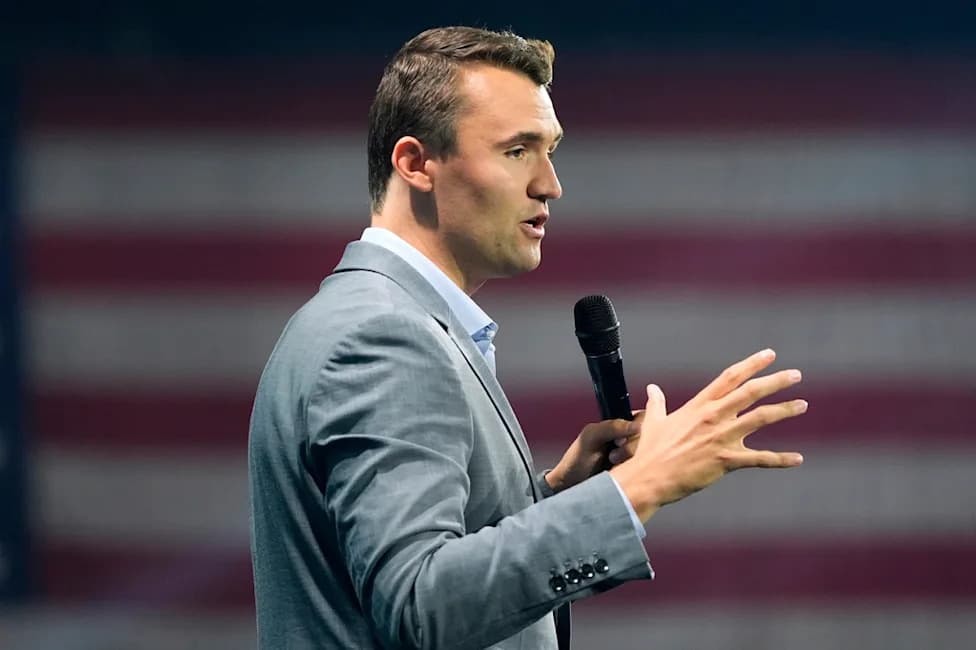
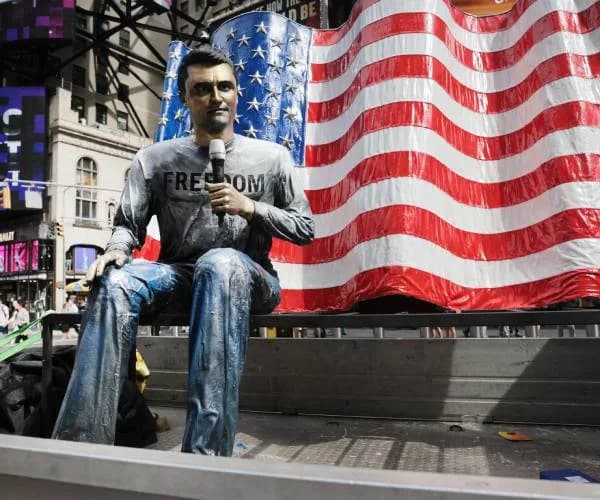
After Charlie Kirk was assassinated in September, leaders across the global right publicly expected his followers to coalesce around his memory. Condolences poured in from Argentina’s President Javier Milei, Israel’s Prime Minister Benjamin Netanyahu, former Hungarian Prime Minister Viktor Orbán and an Afrikaner lobbying group.
Netanyahu called Kirk a “lion-hearted friend of Israel.” Across conservative media and political circles, explanations for the killing varied: Milei blamed the “progressive-liberal left,” while Netanyahu blamed “radical Islamists.” At the same time, donations surged to Turning Point USA (TPUSA), the youth-focused conservative organization Kirk founded, creating the appearance of renewed grassroots energy.
Surface Unity, Internal Fracture
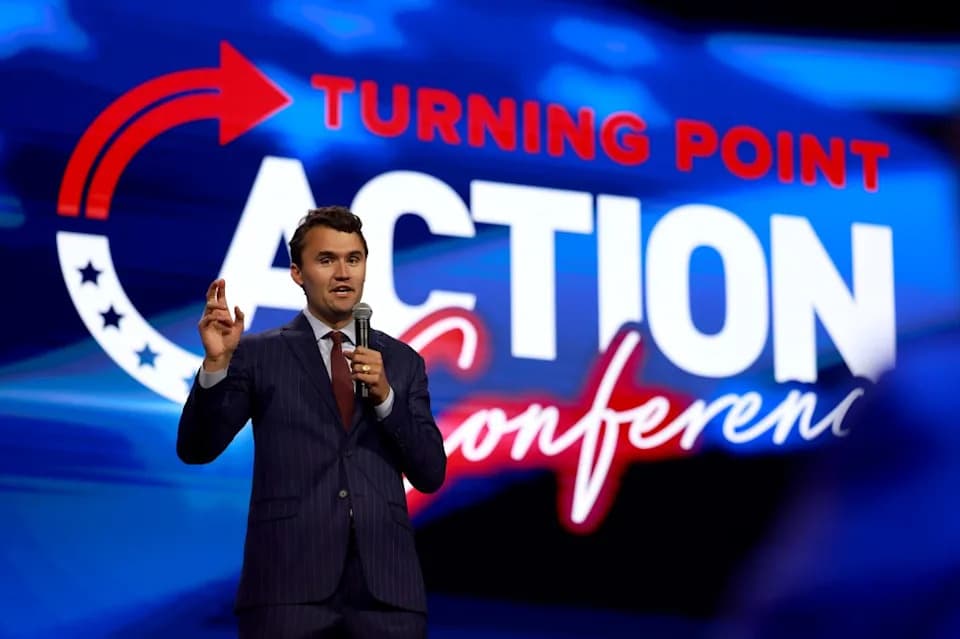
For roughly 13 years TPUSA had relied largely on elite megadonors — libertarians, Birchers and institutions such as The Heritage Foundation — to keep it afloat. Kirk’s death appeared to unlock a wave of small-dollar contributions from young conservatives, thrilling MAGA strategists who had hoped the group could help consolidate youth support for Donald Trump.
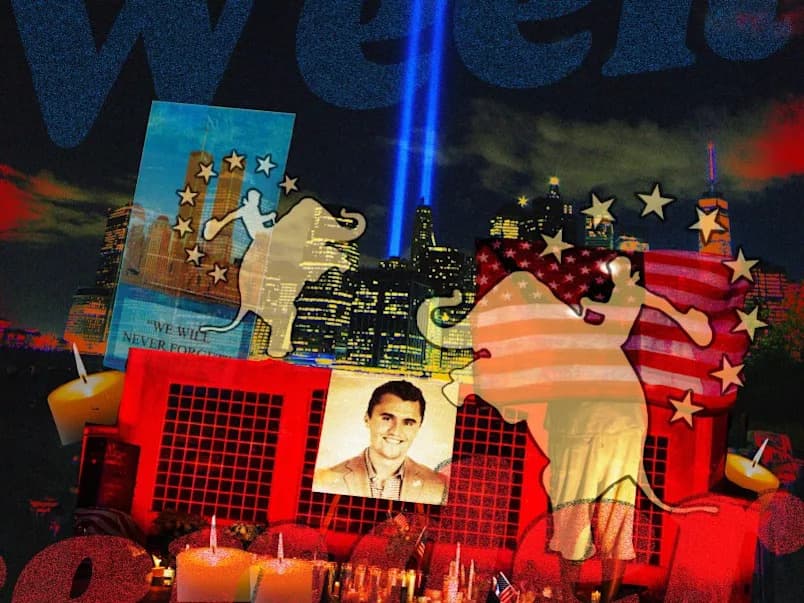
Yet the public displays of mourning masked deep divisions. Some institutions lowered flags and, in a few cases, temporarily restricted speech in Kirk’s honor. Critics of Kirk’s brand of Christian nationalism — including entertainers like Jimmy Kimmel — faced suspension or censorship after their responses were judged insufficiently reverent.
“We are Charlie Kirk, his courage our own / Together unbroken, we'll make Heaven known.”
That refrain captured the theatrical side of the response. Behind the scenes, MAGA was far from unified. TPUSA’s events began to feel muted, populated by less compelling personalities than Kirk himself, and the organization struggled to translate the post-assassination surge into lasting momentum.
Fights Over Legacy and Policy
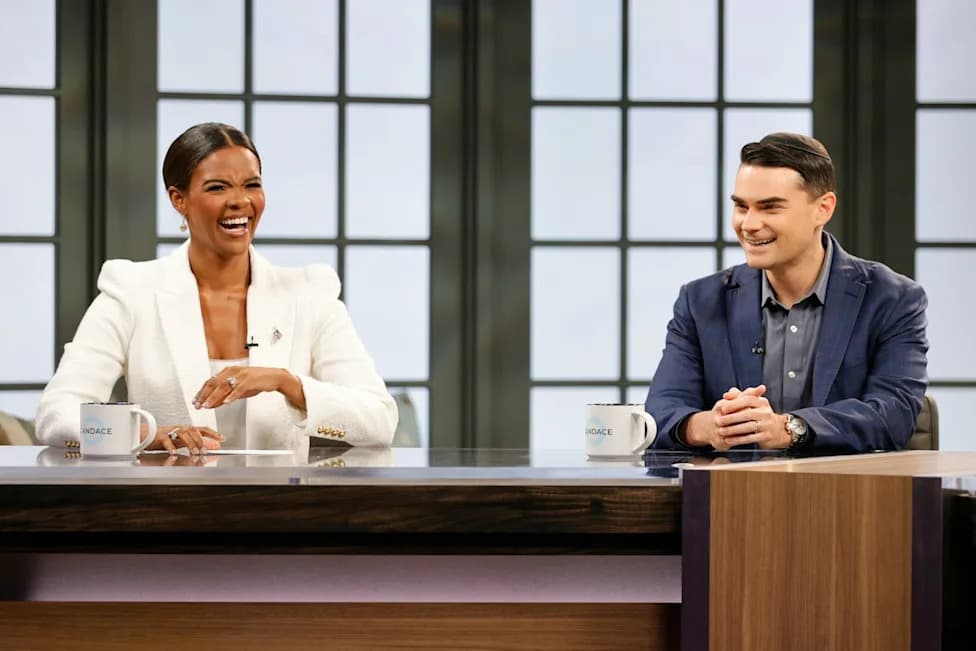
What followed was a tug-of-war over Kirk’s legacy and the future direction of the right. Was Kirk a steadfast Christian Zionist who would have supported a hawkish U.S. posture toward Iran (as Ben Shapiro contends), or was he drifting away from neoconservative donors in favor of a more isolationist stance (as figures aligned with the America First wing — including Candace Owens, Tucker Carlson and Marjorie Taylor Greene — have suggested)?
These disputes reflect a broader split: pro-war, interventionist conservatives versus isolationist, America First nationalists. The latter camp — amplified by personalities such as Owens and Carlson — now dominates much of the right-wing media ecosystem, and public denunciations of Trump by former allies have become commonplace.
Political Fallout And Fringe Opportunities
Polling suggests the right’s cohesion has weakened. At the time of Kirk’s death, roughly 93% of Republicans reportedly approved of Trump; more recently that figure has been reported near 78%, with only about 20% saying they feel “enthusiastic” about the remainder of his term. High-profile commentators who once boosted Trump and his allies — including Joe Rogan and Theo Von — now voice frequent criticism.
The vacuum on the right has also given space to extreme figures. Nick Fuentes, an openly neo-Nazi activist who long rivaled Kirk, has sought to court disaffected young conservatives. Some younger activists, uncertain where to turn, have found Fuentes’s provocations attractive, raising the possibility of unpredictable behavior in upcoming elections (Fuentes has at times urged followers to sit out contests or vote tactically).
Institutional Strain And Uncertain Prospects
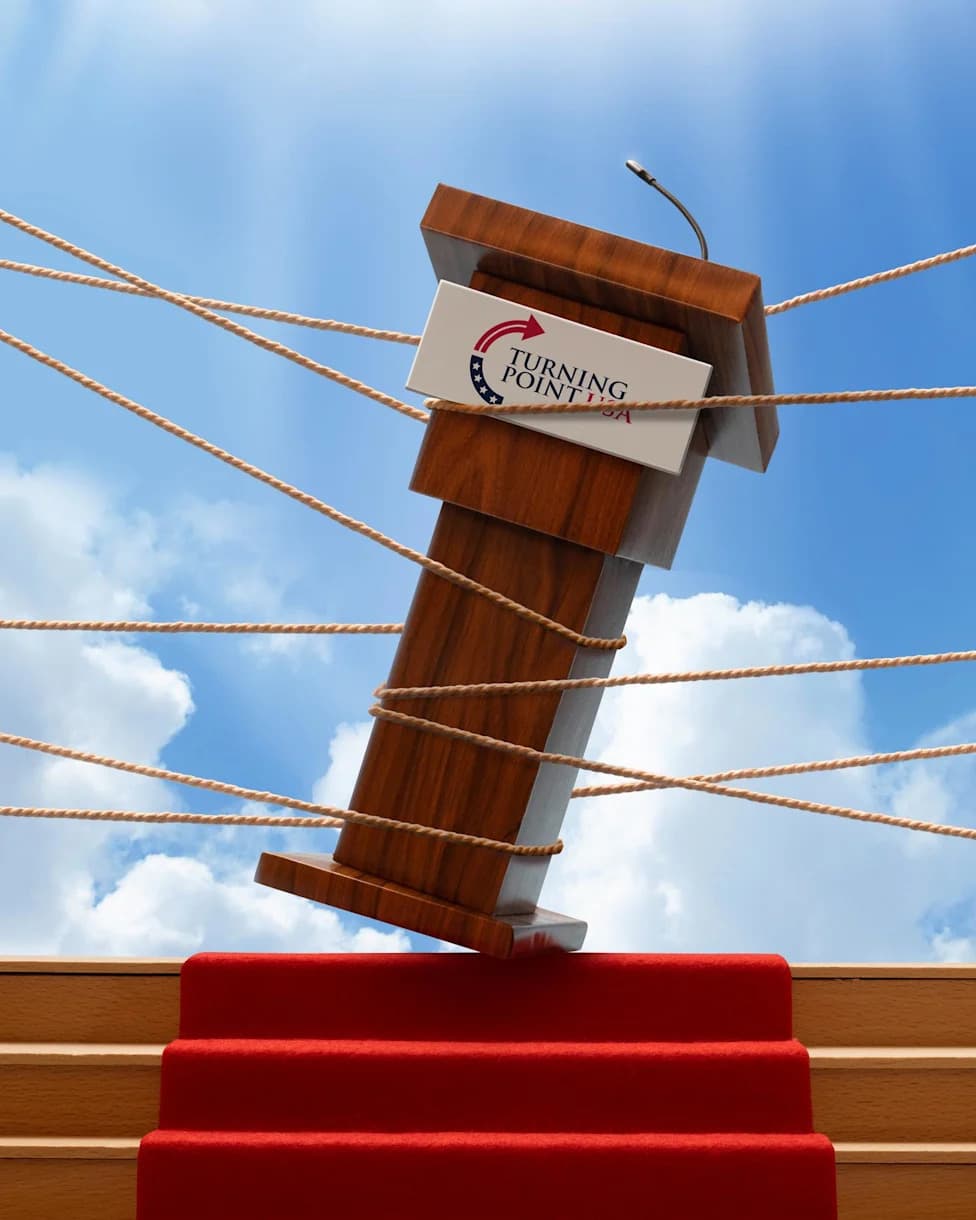
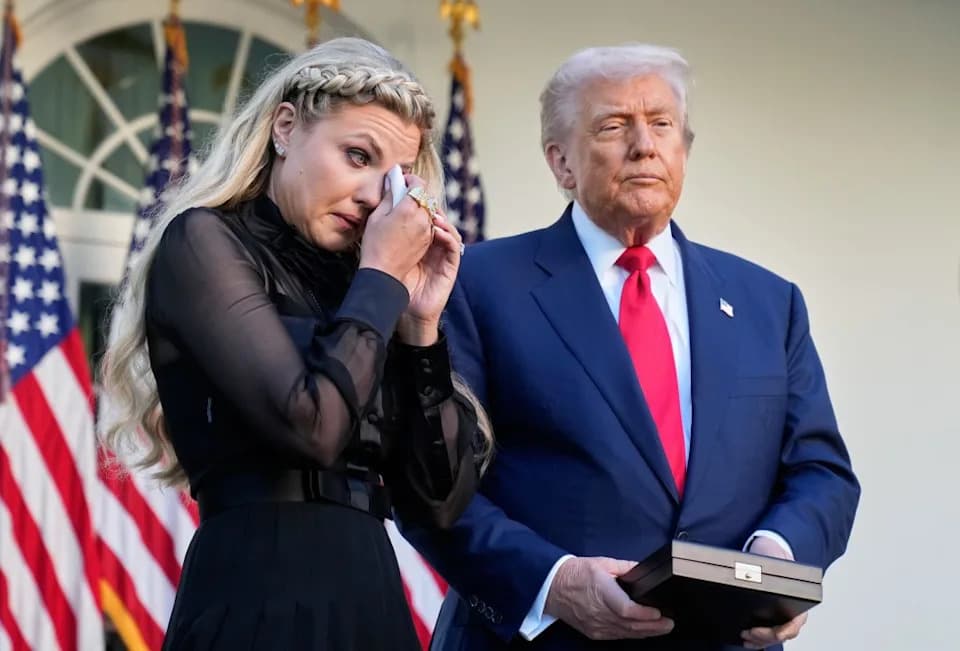
TPUSA under Erika Laing Kirk has struggled to hold its former sway: internal resignations and criticism that the organization lost its mission have followed the high-profile period after the assassination. A widely publicized TPUSA halftime event was panned, and the group’s momentum appears diminished.
Similarly, conservative media ventures have faced setbacks. The Daily Wire has seen falling traffic, layoffs and expensive content bets, prompting prominent coverage describing the outlet’s difficulties. High-profile personalities — from Ben Shapiro to Candace Owens — register notable net-unfavorability in some polls, underscoring the reputational damage within the conservative ecosystem.
Historic Patterns
History suggests that the assassination of a charismatic leader often weakens movements as much as it rallies them. After Martin Luther King Jr.’s assassination in 1968, coalitions that had supported civil-rights advances were strained; after Israeli Prime Minister Yitzhak Rabin’s killing in 1995, the peace process effectively stalled. Kirk’s death appears to have produced a similar pattern: an initial surge of sympathy followed by fractious jockeying for influence.
Whether the right will cohere around a new figure, reconcile its policy divides, or fragment further remains uncertain. For now, the post-Kirk landscape on the right reads as a fight over identity, strategy and succession — and the old hymn may need a new verse: “We were Charlie Kirk, his courage was our own — but how can we, divided, now make Heaven known?”
Help us improve.