A new JAMA Psychiatry study finds teenage girls in states that enacted near-total abortion bans experienced an increase in suicidal ideation compared with peers in states without bans. Researchers analyzed federal survey data from 2017–2023 across 15 states (five with bans, 10 without) and found a 4.3 percentage-point gap. No similar association was observed for boys; findings on suicide attempts were not statistically significant. Experts say the results suggest restrictive policies may harm adolescent mental health beyond reproductive care access.
Study: Abortion Bans Linked to Rising Suicidal Thoughts Among Teen Girls
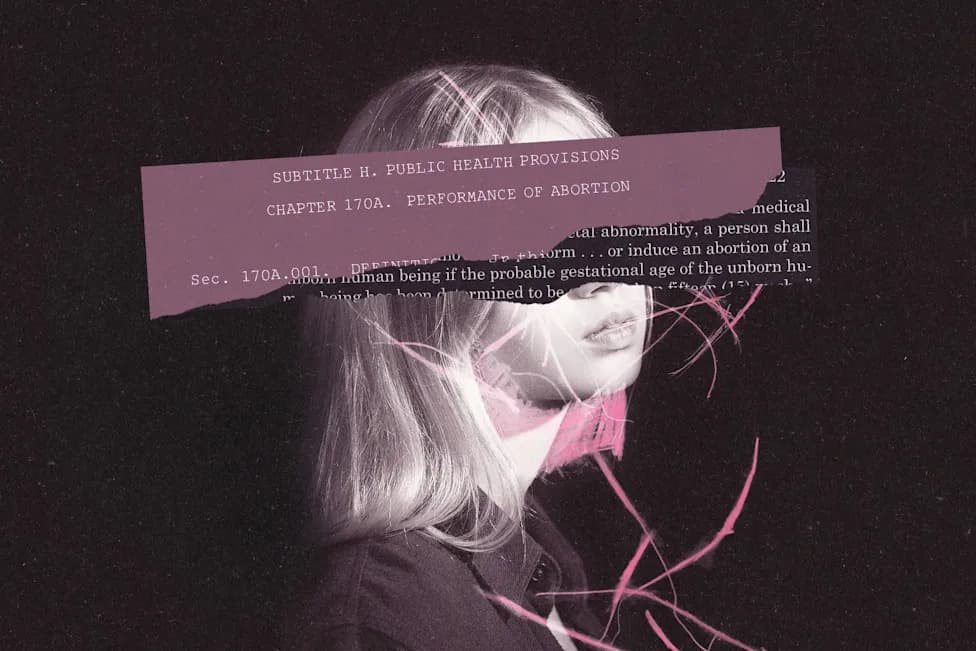
A new psychiatric study suggests that teen girls in states with abortion bans are experiencing higher rates of suicidal ideation than those in states without.(Emily Scherer for The 19th)
If you or someone you love is in crisis, call or text 988, or text HOME to 741741 to connect with a live volunteer crisis counselor.
New research indicates that state-level near-total abortion bans may be associated with an increase in serious suicidal thinking among adolescent girls — whether or not they are pregnant.
Public-health data already show rising rates of depression and suicidal ideation among teens. Federal figures released in 2024 found that 52.6% of high-school girls reported feeling persistently sad or hopeless in the prior year, compared with 27.1% who said they had seriously considered suicide; both rates far exceed those reported by boys. The federal dataset recorded students' sex but did not identify nonbinary students.
A study published last week in JAMA Psychiatry analyzed high-school survey data from 2017 through 2023 across 15 states. Roughly half the sample were recorded as female and half as male. During the study period, five of those states enacted near-total abortion bans while the other 10 did not.
Researchers found that in states with strict abortion bans the share of girls reporting suicidal ideation rose, while it declined in states without such bans — a net difference of 4.3 percentage points between ban and non-ban states. The study did not find a comparable association for boys. While the analysis suggested a possible link between bans and suicide attempts among teen girls, those results were not statistically significant.
“There is this very concerning increase that is unique and specific among adolescent females in ban states. We need to pay more attention to what's going on with them,” said Wendy Sheldon, lead author and scholar at Verge Research.
Experts not involved in the study emphasize that restrictive abortion laws can reverberate beyond clinical access, affecting broader perceptions of autonomy and worth. Dr. Vanessa Dalton, an OB-GYN and professor who has studied the mental-health consequences of abortion policy, said these laws can send damaging messages about who is valued in society and contribute to stress among women and LGBTQ+ communities.
Previous research supports links between abortion restrictions and worsened mental-health outcomes: a 2024 paper found spikes in anxiety and depression among women living in states with so-called "trigger bans" after Roe v. Wade was overturned, and a 2022 study associated targeted abortion limits with higher suicide rates among women aged 20–34.
The new findings add to a growing body of evidence that abortion policy can shape wider health and social outcomes. Authors and outside experts say the pattern — a notable rise in suicidal ideation among adolescent girls in ban states — warrants urgent attention from clinicians, educators and policymakers to address and prevent harm.
Help us improve.