Overview: Maternal killings of children are rare and often linked to untreated severe perinatal mental illness combined with extreme stress and isolation. Postpartum psychosis affects roughly 1 in 1,000 births and is treatable, but barriers to timely care can lead to tragic outcomes. Recent cases in Massachusetts and South Carolina underscore the need for better access to mental-health services, crisis response and social supports.
Rare But Devastating: Untreated Perinatal Mental Illness and Extreme Stress Linked to Child Deaths

A plastic flower LED light lies in the grass in front of the Pinewood Drive home in Ladson where two young girls were found dead from starvation on Sept. 29, 2026 Jason Cato/Staff
Instances of a mother killing her child are rare, but experts say they can occur when untreated severe perinatal mental illness combines with crushing stress and social isolation. Dr. Connie Guille, director of the Women's Reproductive Behavioral Health Division at the Medical University of South Carolina (MUSC), emphasizes that mothers with severe perinatal conditions are generally far more likely to harm themselves than others — but untreated psychosis can, in rare cases, lead to tragic outcomes.
Recent Cases Highlight Risks and Gaps
Two cases in the news illustrate those risks. In Massachusetts, Lindsay Clancy said she experienced postpartum psychosis before the death of her three children; her trial ended in a mistrial on Sept. 4. In South Carolina, 31-year-old Justine May of Ladson was arrested on two counts of homicide by child abuse after the deaths of her daughters, 33-month-old Emory Deacon and 15-month-old Harlow Deacon. The coroner reported the children died of starvation and dehydration; their bodies were found on Sept. 29 following repeated welfare checks by law enforcement and social services.
What Experts Say
Dr. Guille says postpartum psychosis affects about 1 in 1,000 births, and while it is a rare condition, it is serious and treatable. With severe mental illness, intrusive thoughts, paranoia or delusions can cause a mother to withdraw from family and friends and to interpret well-meaning outreach as threatening, which can prevent her from getting help. Those periods may be punctuated by moments of clarity that mask the underlying severity of the illness.
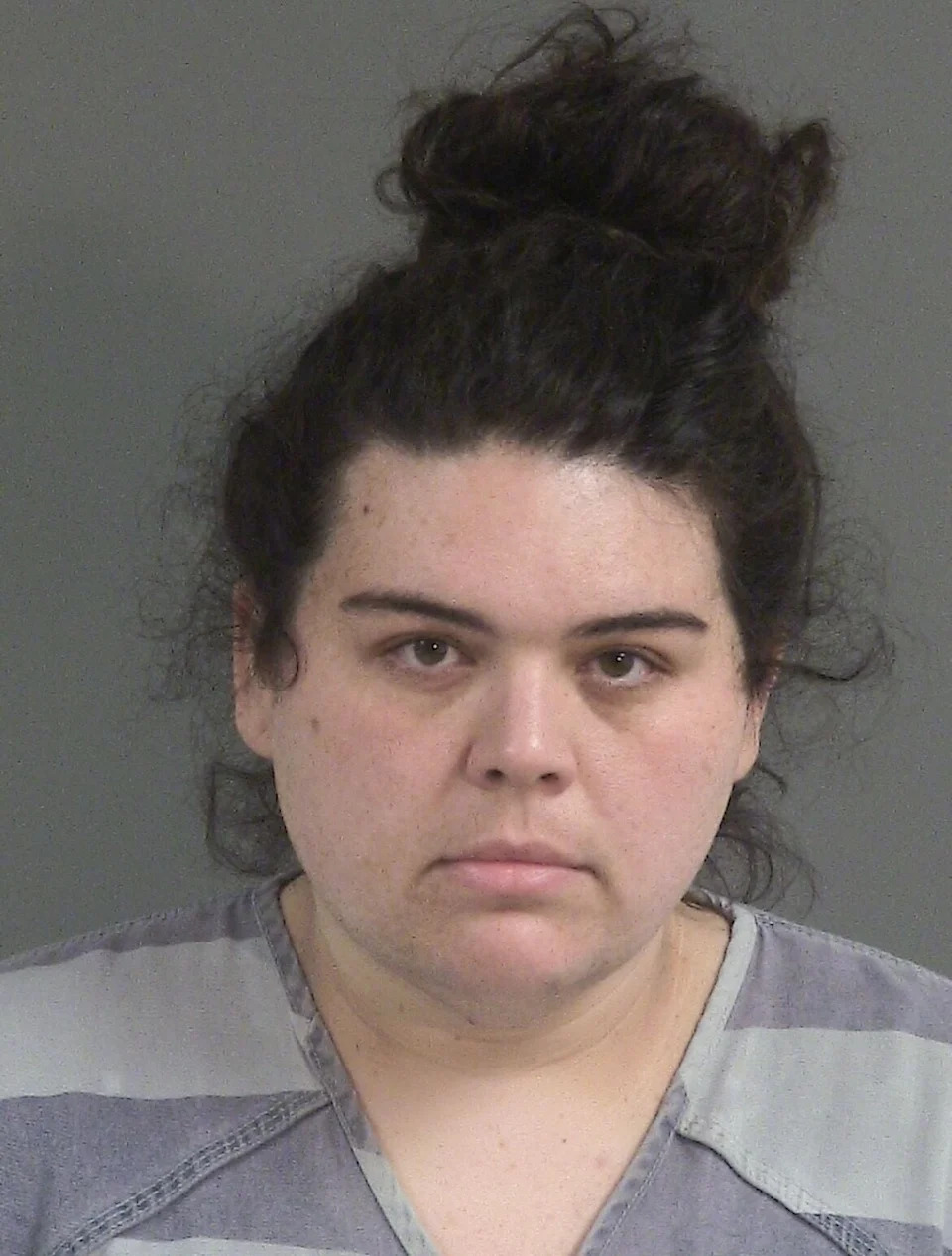
Justine M. May of Ladson is charged with homicide by child abuse. Charleston County Sheriff's Office/Provided
"Suicide is way more common than homicide," Guille notes — but she also stresses that untreated psychiatric illness is a key factor in the most tragic cases.
Data and Risk Factors
Child homicide, while rare, occurs more often in the United States than in many other developed countries. Studies estimate parents are arrested and charged in roughly 500 child killings each year in the U.S., with parents responsible for about 56% of child homicides; mothers account for around 42% of parental killings. An analysis cited a U.S. child-homicide rate of 5.3 per 100,000 children versus about 0.6 per 100,000 across 41 other developed countries. Firearms are more frequently involved in U.S. cases than abroad.
When the victim is an infant (infanticide), postpartum psychosis is implicated in approximately one-quarter of cases; in filicide (deaths of older children), severe mental illness may contribute to up to half of incidents. These deaths also more commonly occur amid extreme family stressors — poverty, family conflict or estrangement, domestic violence and lack of social support.
Treatment, Barriers and Solutions
Many severe perinatal psychiatric conditions are treatable — for example, psychosis can respond to lithium or antipsychotic medications and to coordinated psychiatric care. However, access barriers are significant: finding a provider, scheduling and attending appointments, obtaining prescriptions and maintaining medication is difficult for many patients, and even more so for someone struggling with severe illness.
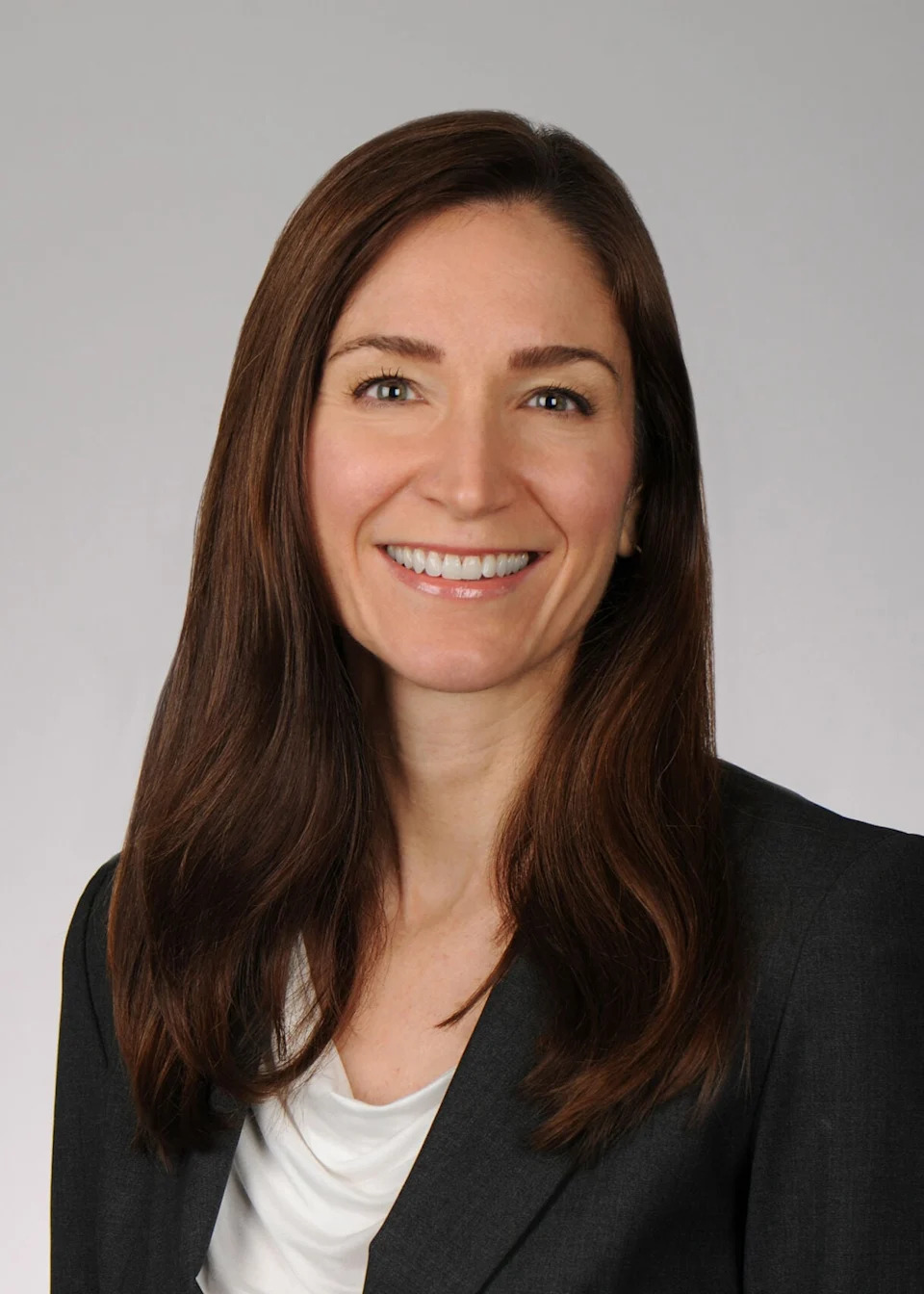
Dr. Constance Guille, director of the Women's Reproductive Behavioral Health Division at Medical University of South Carolina. Provided
To address these gaps, Guille and MUSC developed the text-based Healing, Equity, Advocacy and Respect 4 Mamas and Babies (HEAR 4 Mamas and Babies) system, which has helped connect new mothers to care. The Duke Endowment awarded the program a $13.3 million grant to expand statewide and into North Carolina. South Carolina will also receive $4.4 million from the Rural Health Transformation Program to expand mobile mental-health crisis services.
What Families and Communities Can Do
Experts urge loved ones to persist gently in offering help, watch for signs of severe mental illness, involve child-protection or crisis services when safety concerns arise, and support policies that improve access to perinatal mental-health care. Early intervention, treatment adherence and social supports dramatically reduce risk.
Reporter: Caitlin Bell contributed to this report.
Help us improve.