New research from the University of Oxford finds that 58% of 77 adolescents treated at a specialist NHS pain clinic reported lifetime thoughts of self-harm, and 47% reported self-harm behaviour. Perceived burdensomeness and hopelessness were strongly linked to self-harm risk, while pain intensity and physical disability were not. The authors recommend routine psychological screening and clear support pathways for young people entering paediatric pain services.
Majority of Teens at UK Pain Clinic Report Self-Harm Thoughts, Oxford Study Finds
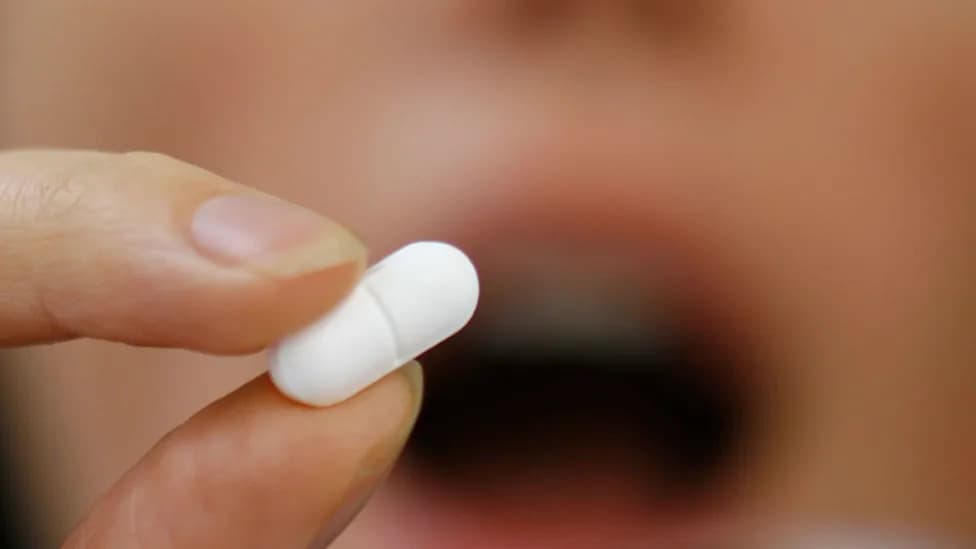
Researchers said their findings highlighted the importance of regular mental health assessments and greater support for teenagers living with chronic pain [PA]
More than half of adolescents treated for chronic pain at a specialist NHS clinic reported lifetime thoughts of self-harm, according to a new study led by the University of Oxford in partnership with Oxford University Hospitals NHS Foundation Trust.
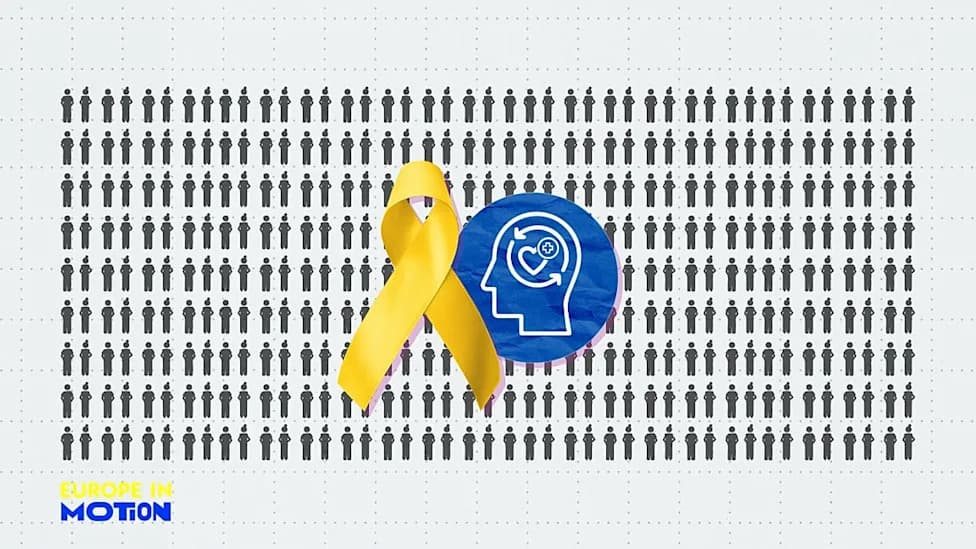
The researchers surveyed 77 young people aged 12–18 who attended the Oxford Centre for Children and Young People in Pain. They found that 58% reported lifetime thoughts of self-harm and 47% reported having engaged in self-harm behaviour at some point.
Recent (two-week) measures were also concerning: 27% of participants had thought about self-harm in the two weeks before the survey, and 7% reported self-harm during that same period.
Psychological and Social Factors, Not Pain Severity, Linked To Risk
The study identified two psychological factors—perceived burdensomeness (feeling like a burden to others) and hopelessness—as being strongly associated with both self-harm thoughts and self-harm behaviours in this clinical group. The researchers also reported links with difficulties socialising, intrusive thoughts, and problems concentrating because of pain.
Importantly, the team found that the measured intensity of pain and the degree of physical impairment were not directly associated with self-harm thoughts or behaviours, suggesting the emotional and social consequences of chronic pain are key drivers of risk.
"Our findings highlight the importance of paying attention to psychological wellbeing when young people first present to pain services, routinely asking about distress, and having clear pathways in place to provide appropriate support," said lead researcher Dr Verena Hinze.
The authors note this is the first study to directly assess self-harm thoughts and behaviours within a UK paediatric chronic pain clinic population rather than relying on general adolescent samples. For comparison, previous population-based studies estimate lifetime rates of self-harm thoughts among teenagers at roughly 14–23% and lifetime self-harm behaviour at about 5–16%—substantially lower than the rates observed in this clinic sample.
The research was supported by Medical Research UK and Arthritis UK. The team reported they had contacted the Department of Health & Social Care for comment.
Implications And Support
Researchers recommend routine psychological screening and clear support and safety pathways for young people who present to paediatric pain services. Early assessment of distress, perceived burdensomeness, and hopelessness may help identify adolescents at risk and ensure timely mental health support.
If you or someone you know is affected by these issues, local and national support services and helplines are available. The study reference and local NHS services can help point to appropriate resources; in the UK, organisations such as NHS urgent mental health services and crisis lines, as well as charities and helplines, can provide immediate support. The BBC Action Line was listed as a resource in the original coverage.
Help us improve.