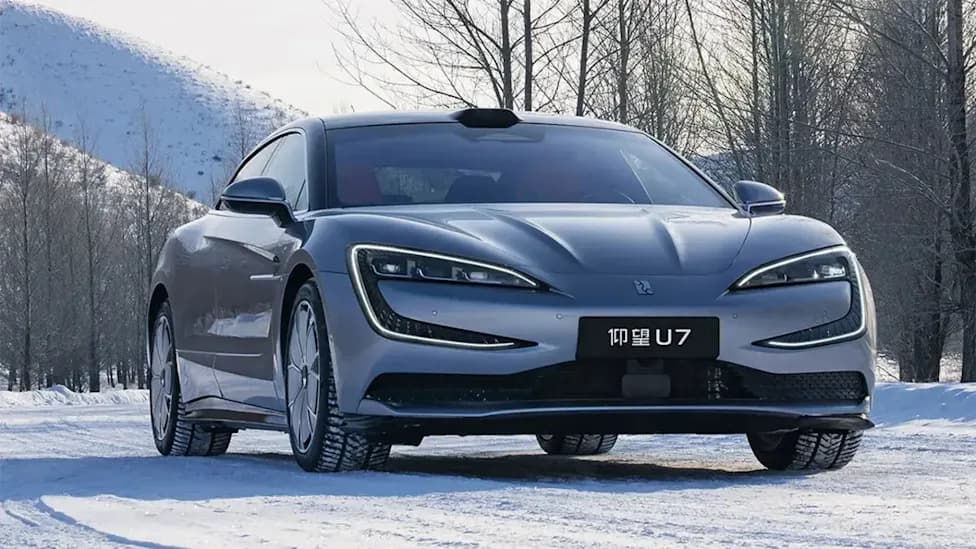
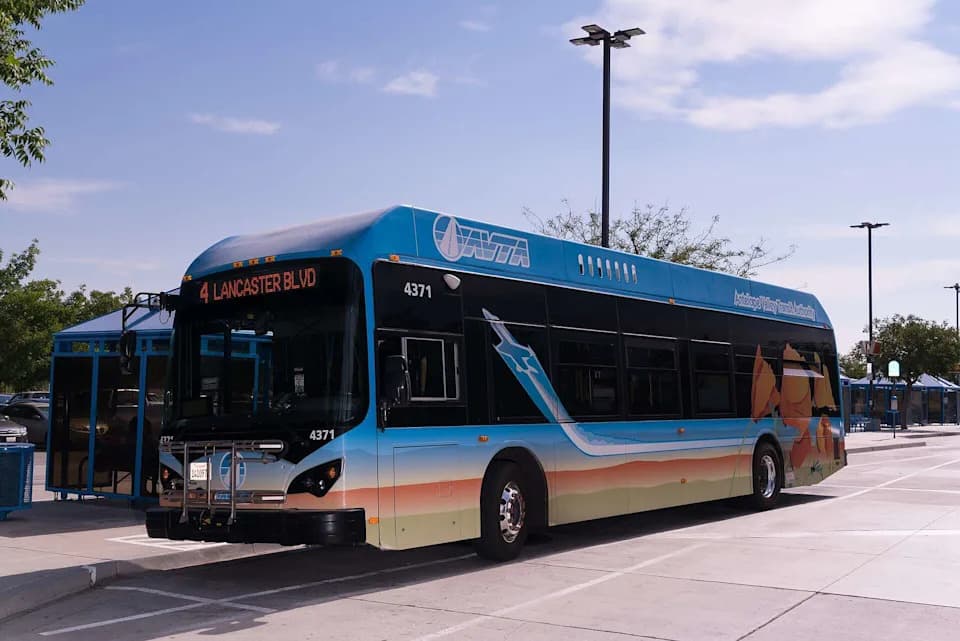
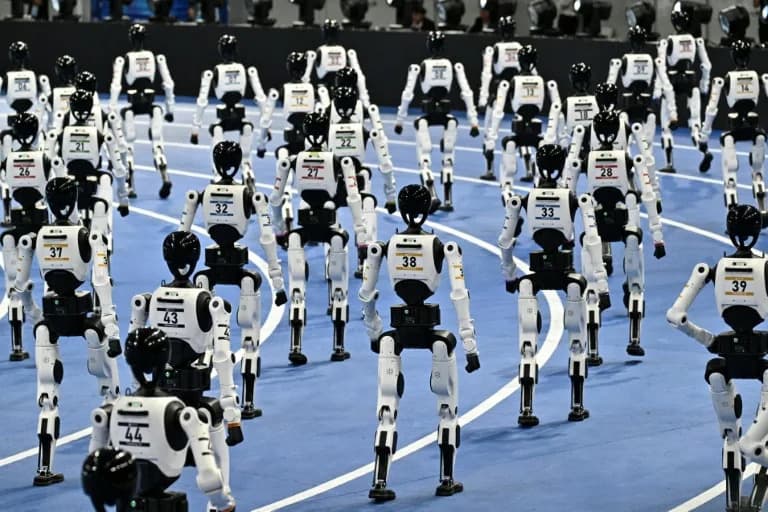
Analyst Gordon Chang warned that easing U.S. limits on Chinese driverless vehicle technology could pose major national security risks. He praised recent Biden administration rules that block Chinese-connected vehicles and urged those limits be codified as companies like Waymo consider Chinese-made chassis. Chang suggested such vehicles could be weaponized or remotely repurposed as saboteurs, calling them potential "Trojan horses." Advocates have also campaigned against using Chinese components, citing mapping and surveillance concerns.
Analyst Warns Chinese-Linked Driverless Cars Could Become 'Rolling Spy Machines' — Calls To Codify Import Ban
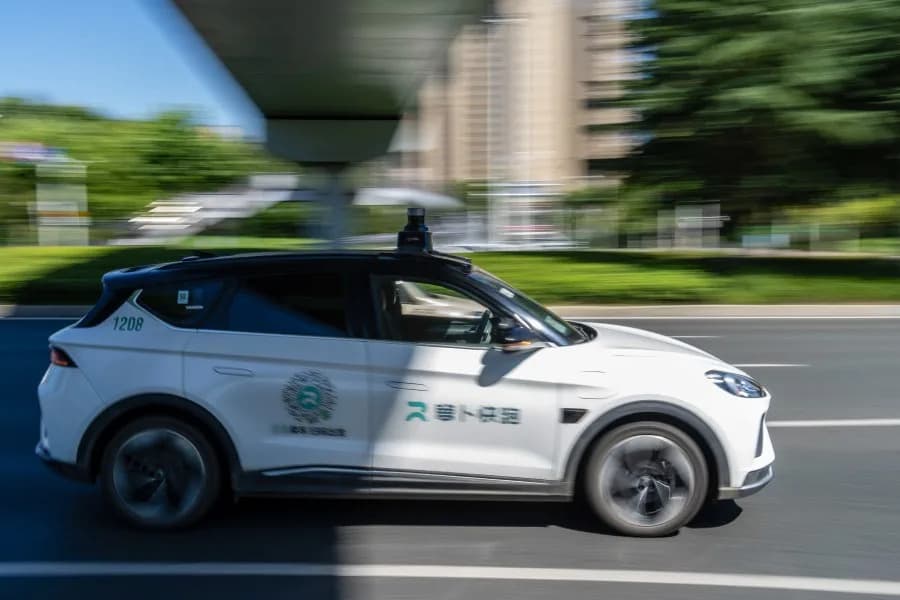
Analyst Gordon Chang warned that proposals to relax U.S. restrictions on importing Chinese driverless vehicle technology could create serious national security risks.
Chang, author of Plan Red: China's Project to Destroy America, praised the Biden administration for issuing rules that block vehicles with Chinese connections from U.S. roads and urged regulators to codify those limits into law. His remarks come as companies such as Waymo reportedly consider buying Chinese-made chassis or vehicle shells to support driverless services.
"Conceivably, they could use these as a weapon of mass destruction — crash into oncoming traffic, drive over a cliff, be disabled. Who knows what the Chinese will be able to do with these? Trojan horse, I think, is the perfect analogy," Chang said in an interview on the program On Balance.
Chang argued that remotely controlled or compromised hardware could be repurposed quickly from benign transport to instruments of sabotage or even combat. He urged continued prohibitions on Chinese robotic and vehicle systems to prevent any risk that foreign actors could manipulate fleets operating on U.S. streets.
Advocacy and Industry Concerns
The advocacy group Protecting America Initiative has run ads criticizing Waymo's reported plan to incorporate Chinese vehicle chassis into its ride-hailing fleet. The group says components made in China could enable mapping of U.S. neighborhoods and sensitive sites, including military facilities, and warned against allowing what it called "rolling spy machines" into the country.
Supporters of cautious policy argue that the combination of remote connectivity, location data and foreign-made hardware presents an intelligence and safety risk that merits stronger legal safeguards. Industry backers of global supply chains say careful vetting and technical controls can mitigate risks — a debate likely to shape policy as autonomous vehicle deployments expand.
What’s next: Policymakers will need to weigh national security concerns against innovation and supply-chain realities as decisions are made about whether to enshrine the current restrictions into law.
Reporting based on public statements and advocacy materials. Copyright 2026 Nexstar Media, Inc.
Help us improve.