The Salmonella Javiana outbreak first reported on July 23, 2026, has grown to 212 confirmed cases, doubling from 106 the previous week. The FDA has begun traceback investigations and laboratory testing but has not yet identified a contaminated food source. Symptoms typically appear 6 hours to 6 days after exposure and include diarrhea, fever, stomach cramps, nausea and vomiting. Officials advise following food-safety precautions and seeking medical care for severe or persistent symptoms.
Salmonella Javiana Outbreak Doubles To 212 Cases As FDA Traces Unknown Source
Salmonella Outbreak Grows to 212 Cases as FDA Investigates Unknown Source
Reports of an unexplained foodborne outbreak are raising concern as investigators work to identify its origin. The Salmonella Javiana outbreak, first reported on July 23, 2026, has doubled in size over the past week.
The Food and Drug Administration (FDA) now reports 212 confirmed infections, up from 106 last week. Despite the increase in cases, the agency has not yet identified a contaminated food item or supply chain linked to the illnesses.
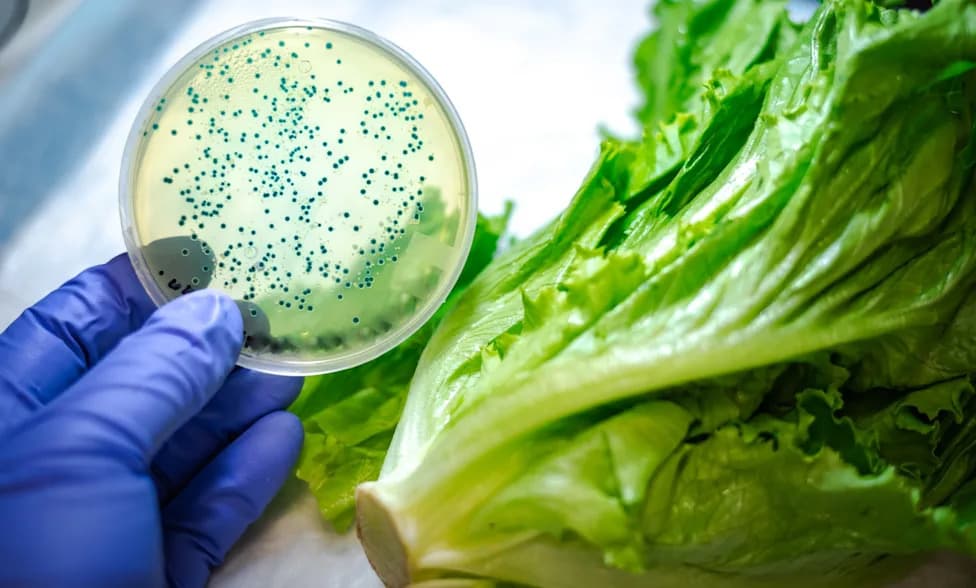
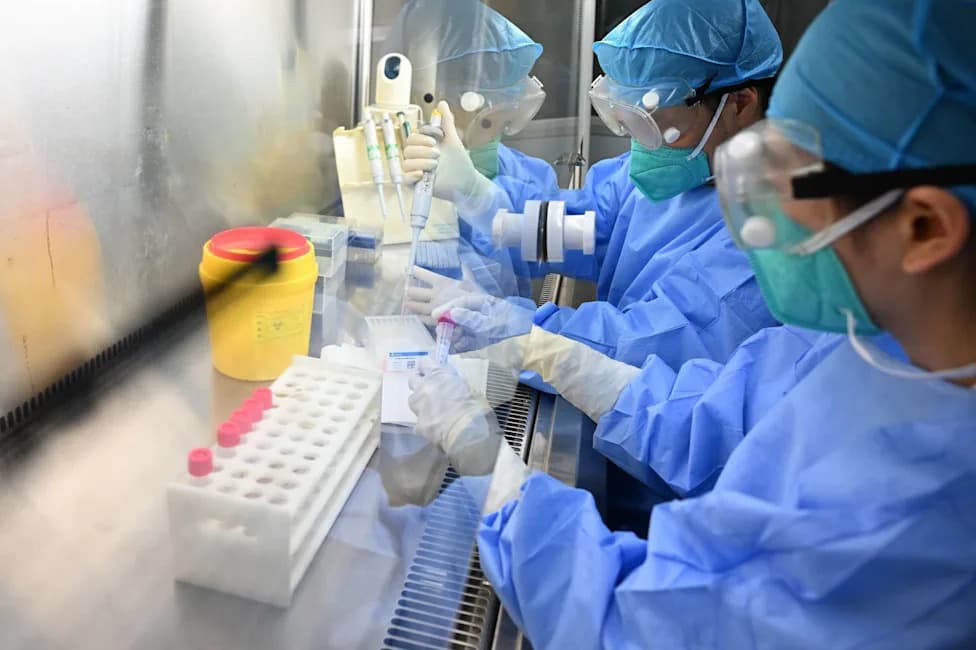
Investigative actions: The FDA has initiated traceback investigations and laboratory testing to try to pinpoint the contaminated product or point in the supply chain. Those efforts began when the cluster was first reported; to date no specific food has been publicly implicated.
Symptoms and guidance: People should watch for symptoms of Salmonella, which commonly include diarrhea, fever and chills, stomach cramps, nausea and vomiting. Symptoms typically appear anywhere from 6 hours to 6 days after exposure. Most healthy individuals recover without treatment, but infants, older adults, pregnant people and those with weakened immune systems should seek prompt medical care if they develop symptoms or if symptoms are severe (high fever, persistent vomiting, signs of dehydration).
Context and past outbreaks: Salmonella Javiana has previously been linked to produce and seafood. In 2016, an Arizona cluster was traced to several seafood menu items at a restaurant. In late 2019, a multi-state outbreak that sickened 165 people across 14 states was linked to cut fruit produced by Tailor Cut Produce, prompting recalls of Fruit Luau mix, honeydew melon, cantaloupe and pineapple products.
Other active foodborne events: Health authorities are also investigating a Listeria monocytogenes outbreak that has risen to nine cases with no identified source, a Salmonella Oranienburg outbreak with about 90 cases, and a Salmonella Enteritidis outbreak that has been linked to eggs (shell eggs from Midwest Poultry Services, L.P. were recalled). Additionally, a recent Cyclospora outbreak was linked to iceberg lettuce.
We have contacted the FDA for updates on traceback and laboratory testing and will publish new information as it becomes available. In the meantime, consumers are urged to follow food-safety best practices—wash produce, cook seafood and eggs thoroughly, avoid cross-contamination, and consult a healthcare provider if they become ill.
Help us improve.